
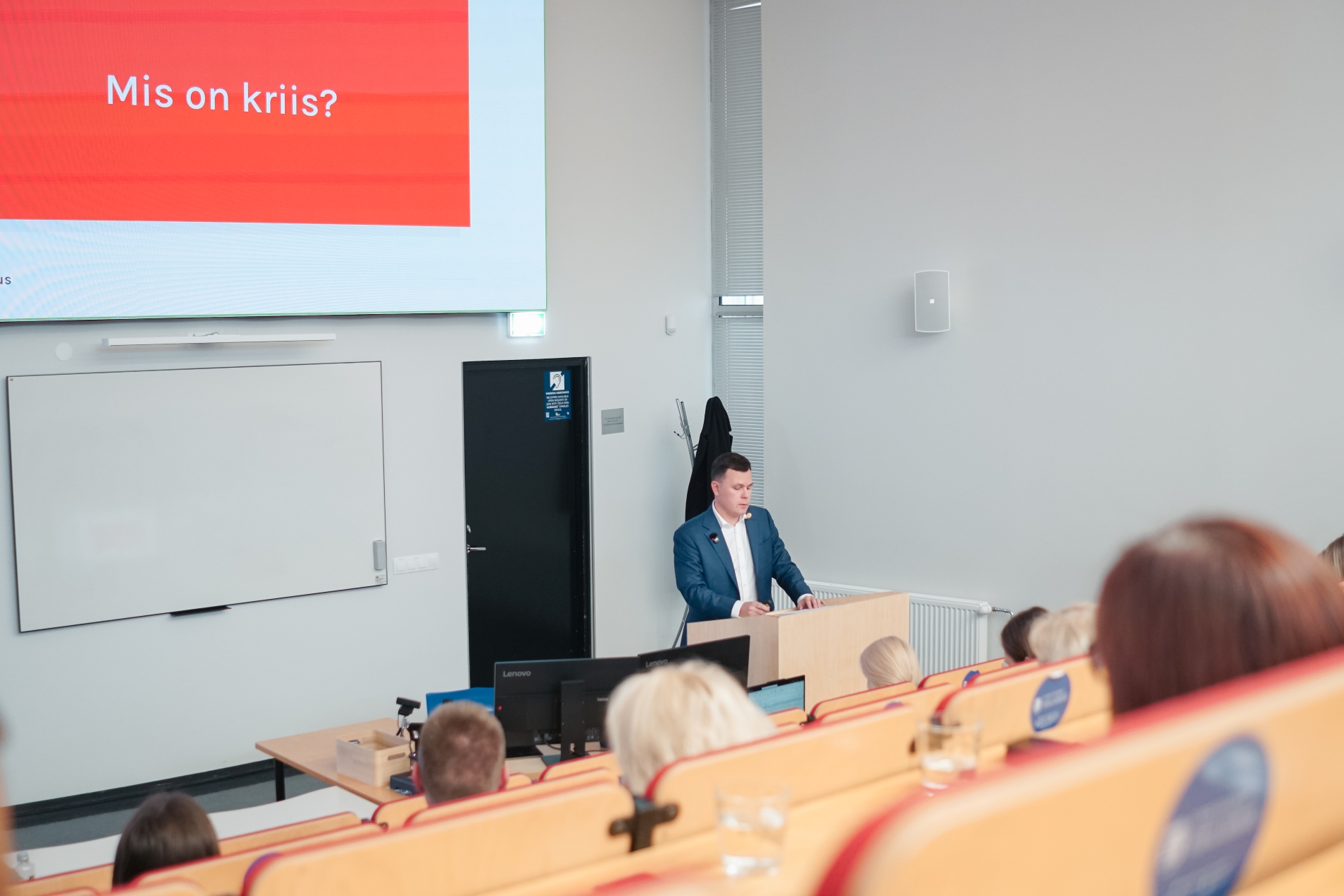
PRESENTATION │ Polycrisis changes how the tourism sector operates
The Head of the Crisis Research Centre, Hannes Nagel, spoke on September 25 at the seminar The Role of Tourism Infrastructure in a Cluster Crisis in Pärnu, where he discussed the nature of polycrisis and its impact on how the tourism sector operates, its interdependencies, and crisis preparedness. The full video of the presentation is available to watch alongside the news article.
Polycrisis does not simply refer to several crises occurring at the same time. At its core is the interconnectedness of crises and systems: disruption in one area affects others, these effects can spread across sectors, and may in turn amplify the original problem. “In a polycrisis, the greatest challenge is not simply that we are facing multiple problems at once. The real difficulty lies in the way these problems interact, reshape one another, and transform the system in which we operate,” said Hannes Nagel, Head of the Crisis Research Centre.
This perspective is particularly relevant to the tourism sector, which depends simultaneously on transport, energy, infrastructure, labour, digital systems, public-sector capacity, and people’s sense of security. Crisis preparedness therefore cannot focus solely on what may happen within the tourism sector itself. It must also take into account the systems on which tourism depends and the relationships between them. “Risk analysis in tourism can no longer be limited to asking what might happen to the sector itself. We also need to consider what may happen to the systems on which tourism depends, and how disruptions in those systems may interact and reinforce one another,” Nagel noted.
In his presentation, Nagel also addressed how major crises can alter the normal operating logic of entire sectors and require organisations to use existing resources, networks, and relationships in new ways. He highlighted Ukraine as an example, where the tourism sector has taken on additional societal functions alongside its traditional role. “In a crisis, there is not always time to build entirely new systems. Adaptation often depends on how effectively we are able to reorganise and repurpose the systems and capacities that are already in place,” Nagel said.
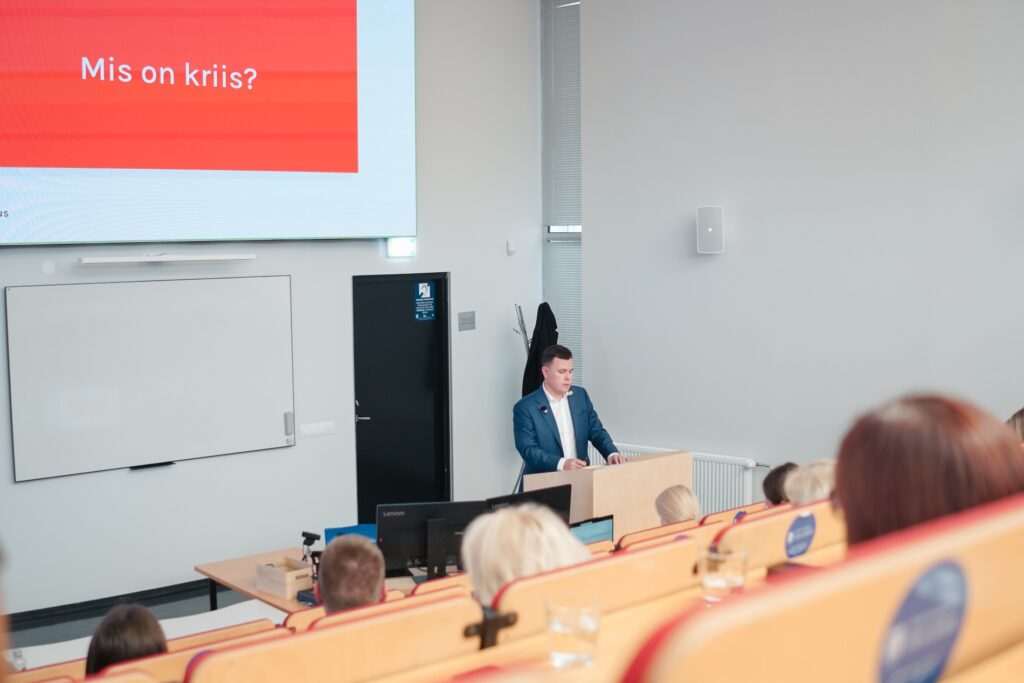
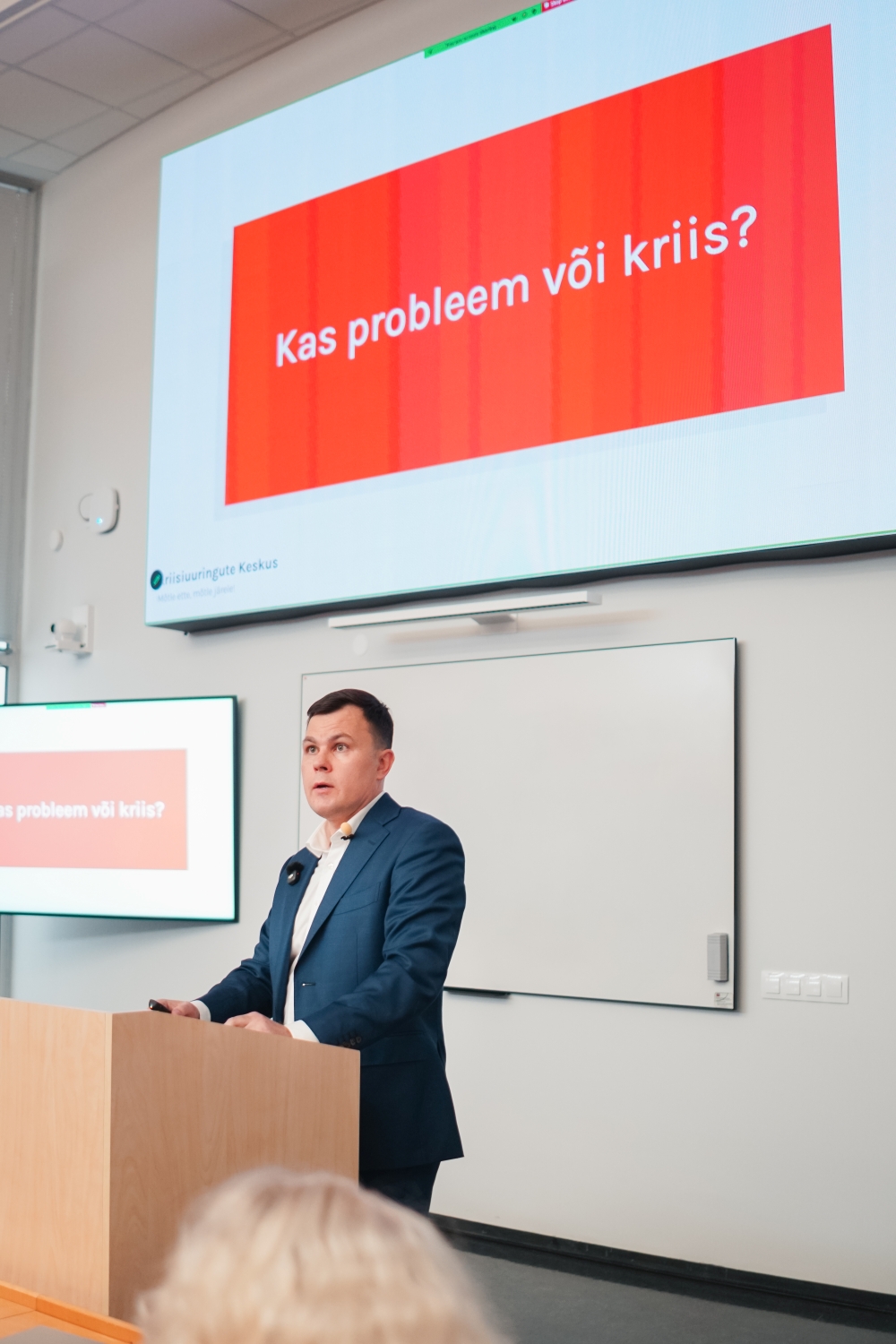
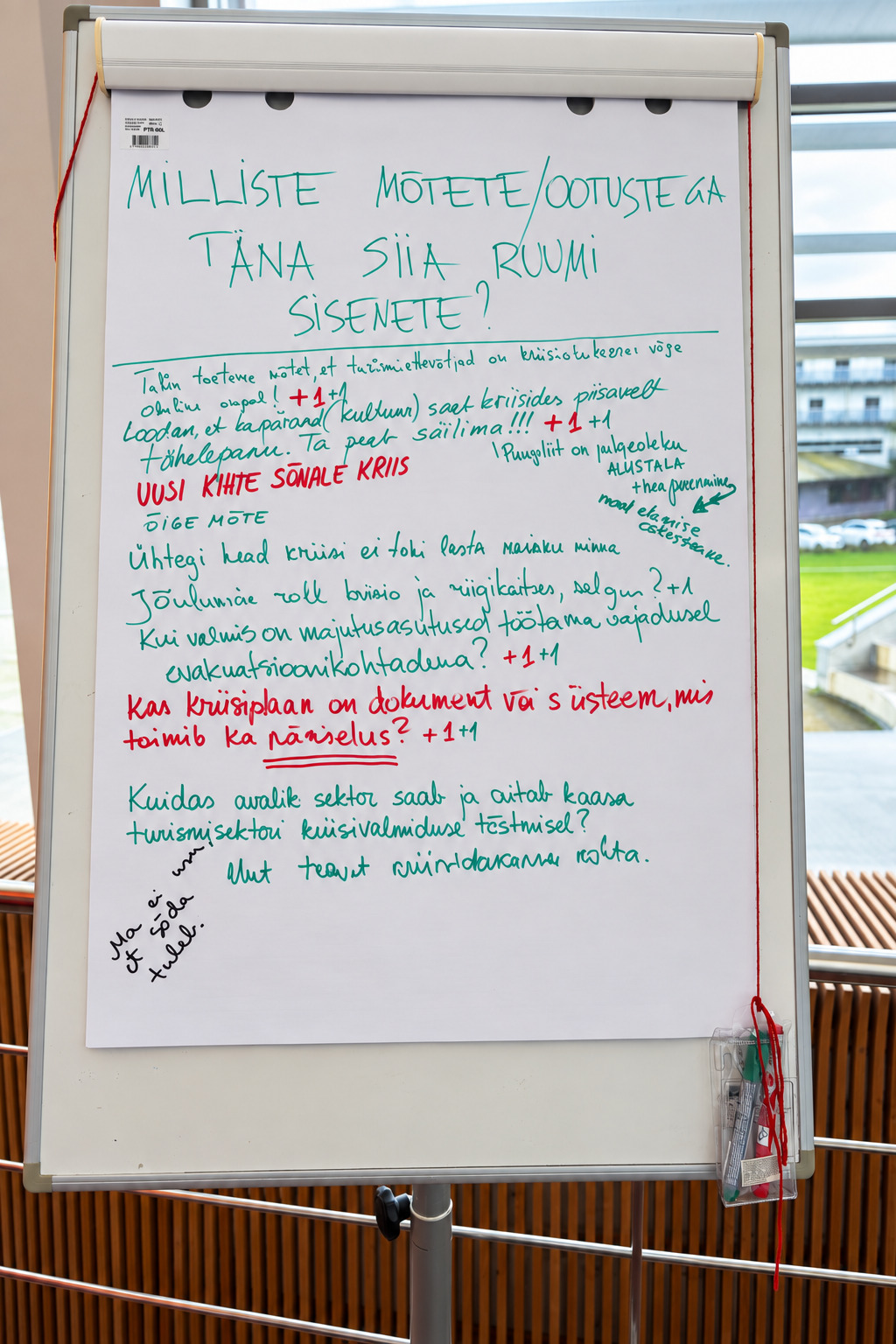
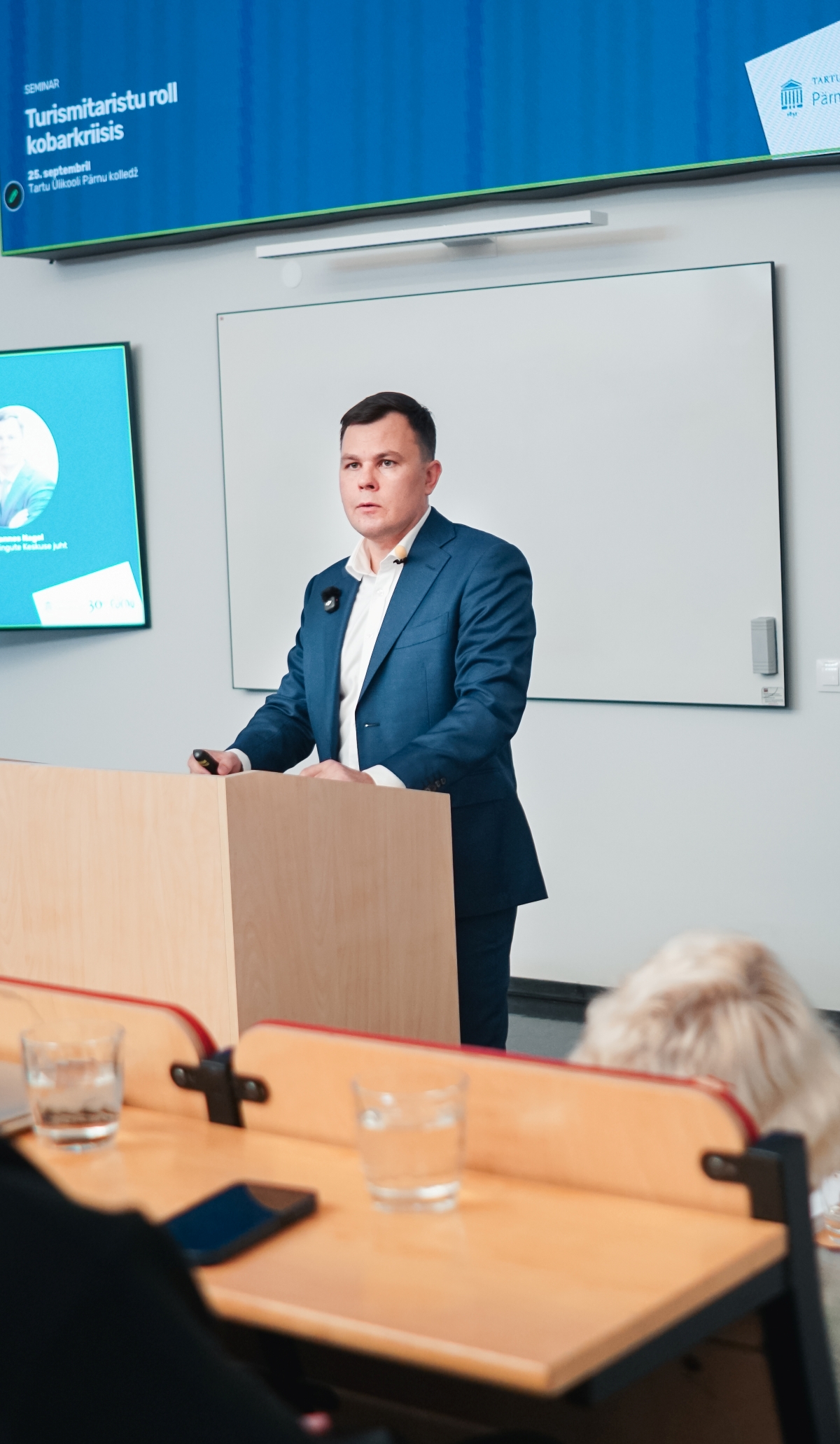

Watch the full presentation.
In the presentation, Hannes Nagel explains in greater detail how to distinguish a problem from a crisis, what polycrisis means from a systems-thinking perspective, and which questions the tourism sector should already be asking in order to strengthen its preparedness before the next major disruption occurs.
Photos: Presentation at the seminar held on 25 September (Sandra Peegel/University of Tartu Pärnu College, 2026; Crisis Research Centre, 2026).
🔺The use, distribution, modification or publication of the text, videos and images is permitted only with the prior written consent of the NGO Crisis Research Centre. Unauthorised use is prohibited.
Jaga postitust: