KRAKO | Mustamäe’s crisis network expands: nearly half of participants ready to take the lead in their community
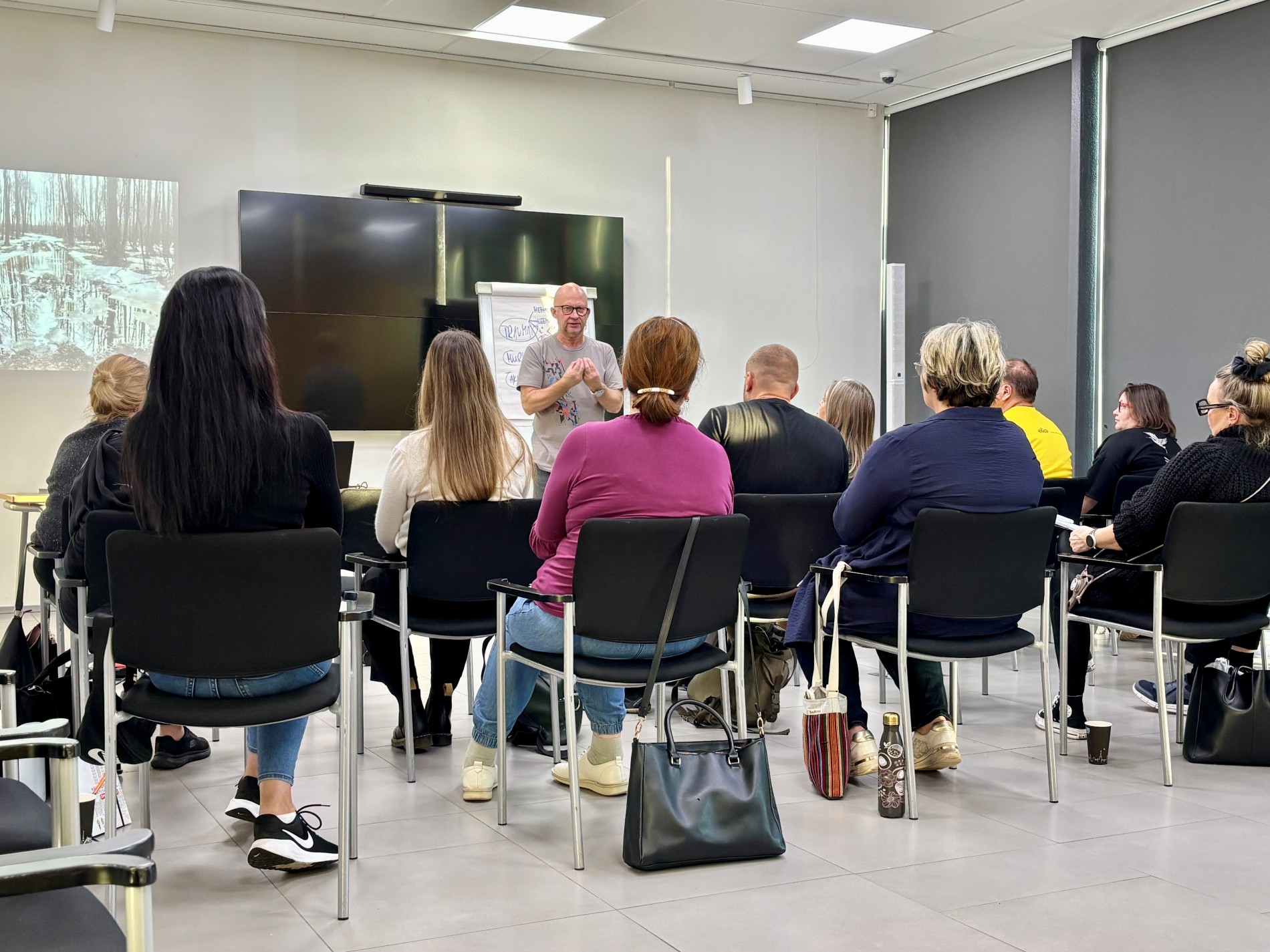
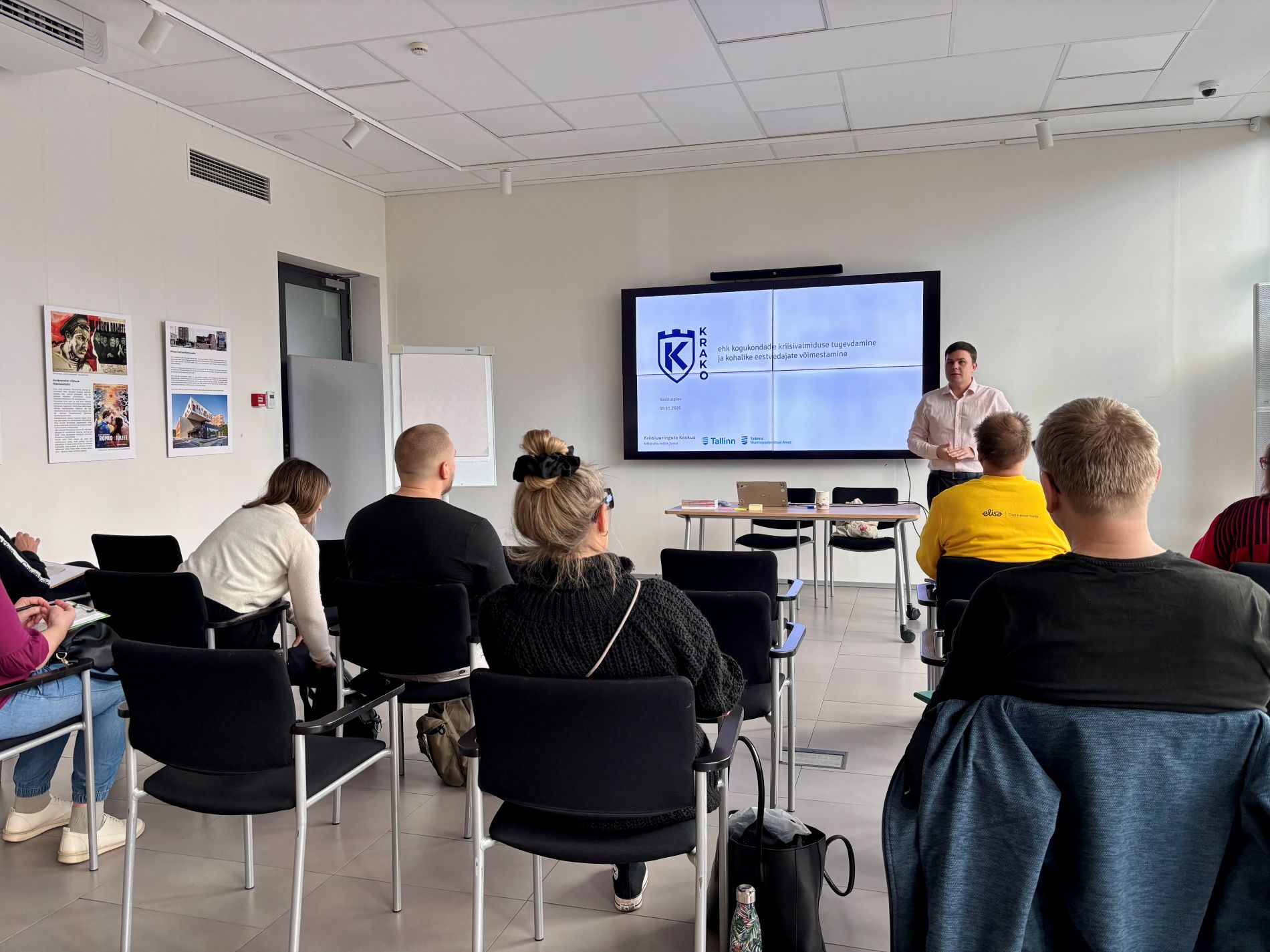
The KRAKO training programme aims to establish a local crisis network in Mustamäe, bringing together residents who understand the needs of their own neighbourhoods, can recognise when others require assistance, and are prepared to support both their local communities and the city’s crisis response efforts. The sessions combine practical civil protection knowledge, first aid skills and opportunities to develop cooperation within the community.
“Our aim is not simply to train people who leave knowing a bit more about crises than they did when they arrived. We want them to leave knowing other people in their neighbourhood, feeling confident about working together and, crucially, being prepared to take the initiative when the need arises. What we have seen in Mustamäe so far is that these people are out there, and they are very much willing to connect with one another,” said KRAKO Project Manager Hannes Nagel.
Nearly 40% of participants have found at least two potential new partners for cooperation
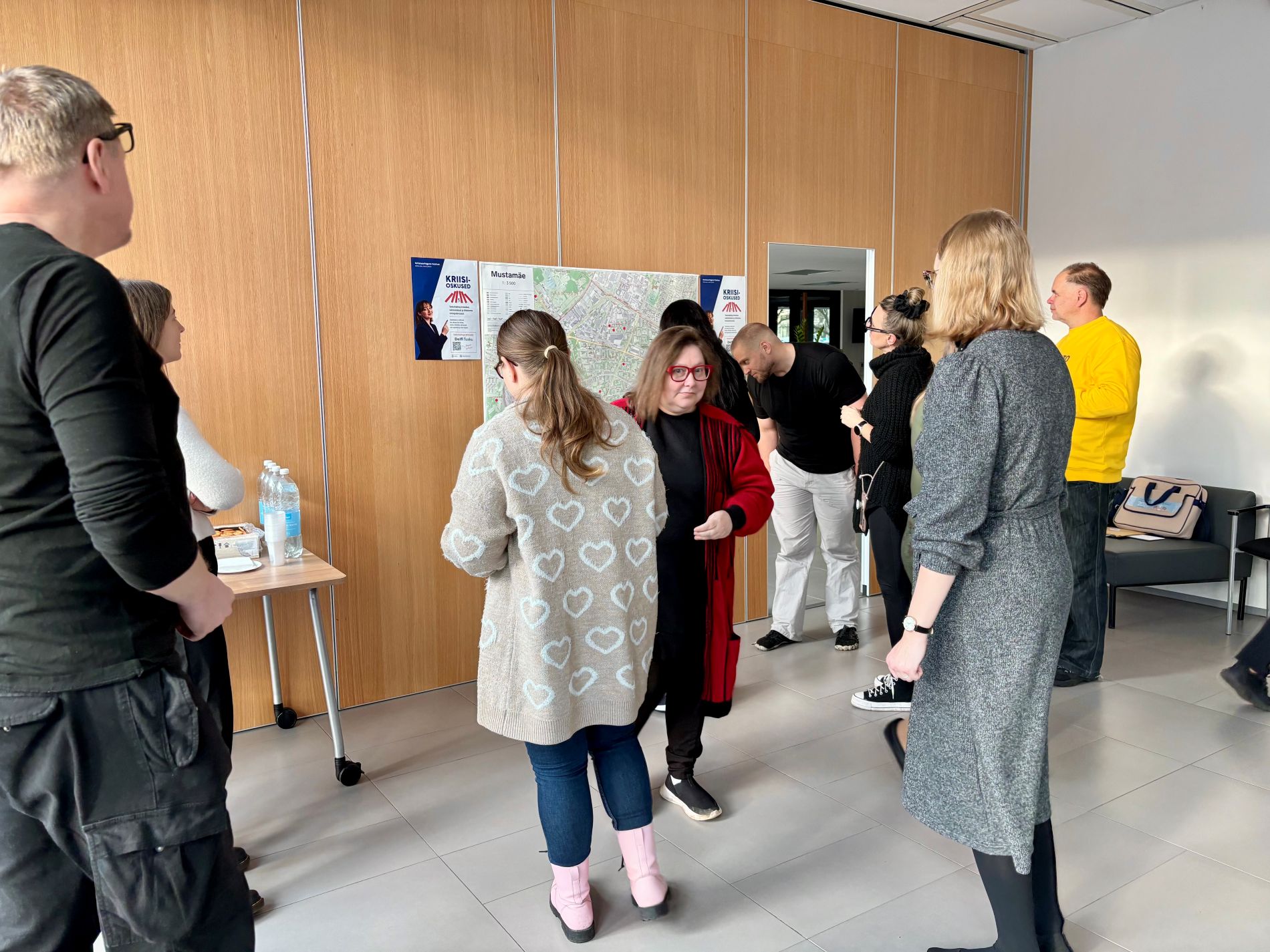
According to feedback collected from the Mustamäe training sessions in November, nearly 40% of respondents reported meeting at least two new people at Crisis Research Centre events with whom they could envisage working on crisis preparedness or community safety in the future. This is a significant finding for the KRAKO project, as the success of a local crisis network depends on more than residents simply being willing to help. It is equally important that people know one another, can get in touch when needed and understand whose knowledge or practical skills they might be able to draw upon.
“When almost four in ten people tell us they have met at least two potential new partners through our events, I would say that is a very encouraging start indeed. These are not simply new acquaintances. They are connections between people who share an interest and, more importantly, a genuine desire to do something useful for their community. We cannot expect a fully functioning crisis network to spring up overnight after a single day’s training. What we can do, however, is lay the groundwork so that people feel confident about keeping in touch and working together long after the training has finished,” Nagel explained.
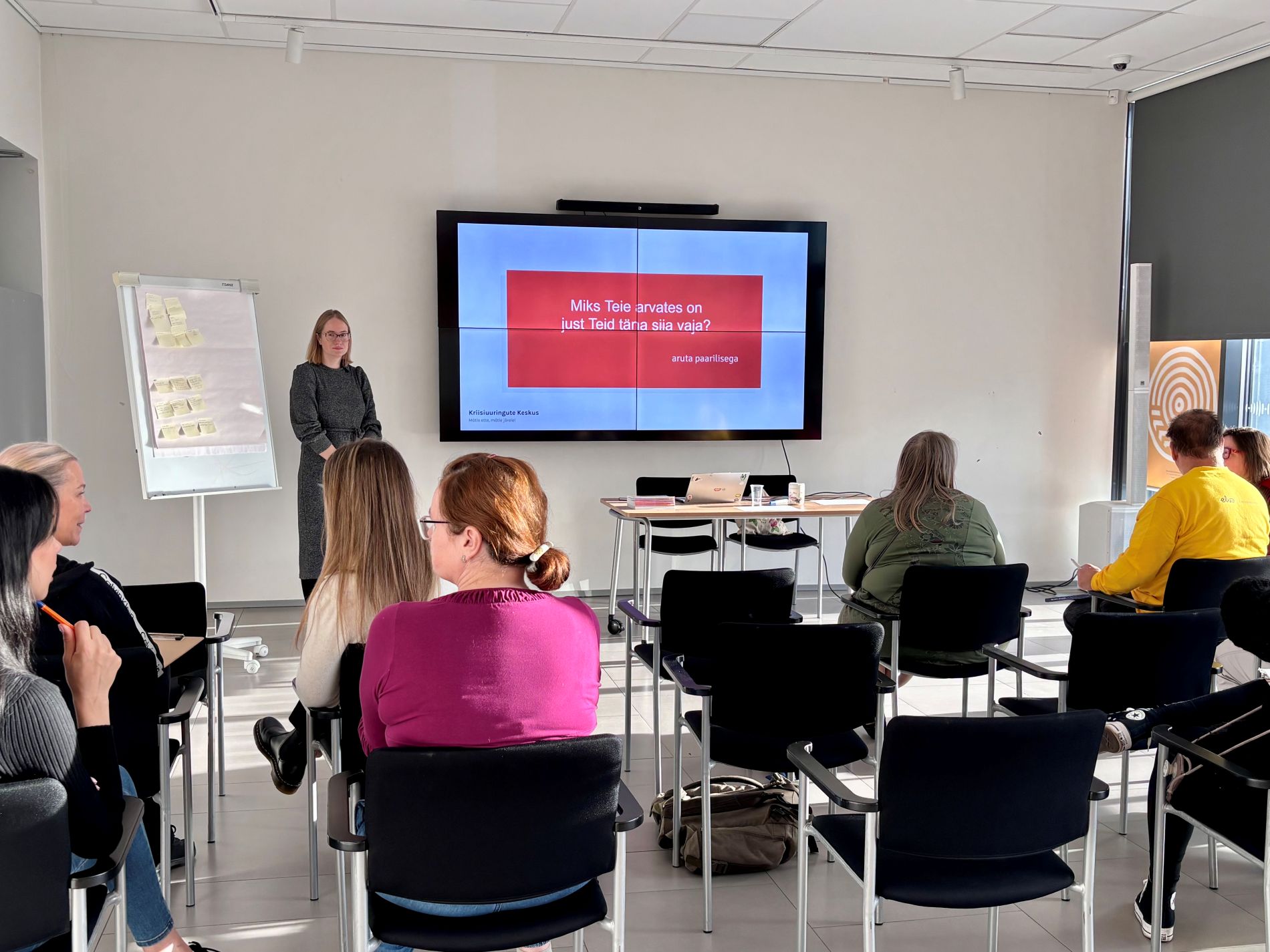
43.5% of participants are ready to take a leading role in community crisis preparedness
Even more encouraging is the willingness of Mustamäe residents to take a more active role in their communities. As of November, 43.5% of respondents to the training feedback survey said they were ready to take the lead on crisis preparedness matters or share the knowledge and skills they had acquired with others. A further one in three respondents were open to the idea, although they had not yet decided exactly how they might wish to contribute.
“I am particularly pleased with this result because we are not just talking about people who come along to a training session to make themselves better prepared for an emergency. Almost half of those who responded are telling us they are prepared to pass on what they have learnt or take the initiative in their own communities. Another third are certainly not ruling it out. That willingness matters enormously if we want community crisis preparedness in Estonia to become part of everyday life, rather than something that exists only while a project is running or a training session is taking place,” said Nagel.
Taking the lead does not necessarily mean managing a large group of volunteers or assuming additional formal responsibilities.
“For some, it might mean having a conversation about crisis preparedness with people in their apartment building or housing association. For others, it could be helping neighbours or organising the exchange of information locally. Someone else might feel more comfortable sharing a particular practical skill with others. What matters to us is that people find a way of contributing that works for them. Not everyone needs to lead from the front, but everyone has something they can bring to the table. If someone comes away from our training feeling that they have something worthwhile to offer others, and the confidence to actually do something about it, then we have achieved one of the programme’s most important objectives,” Nagel added.
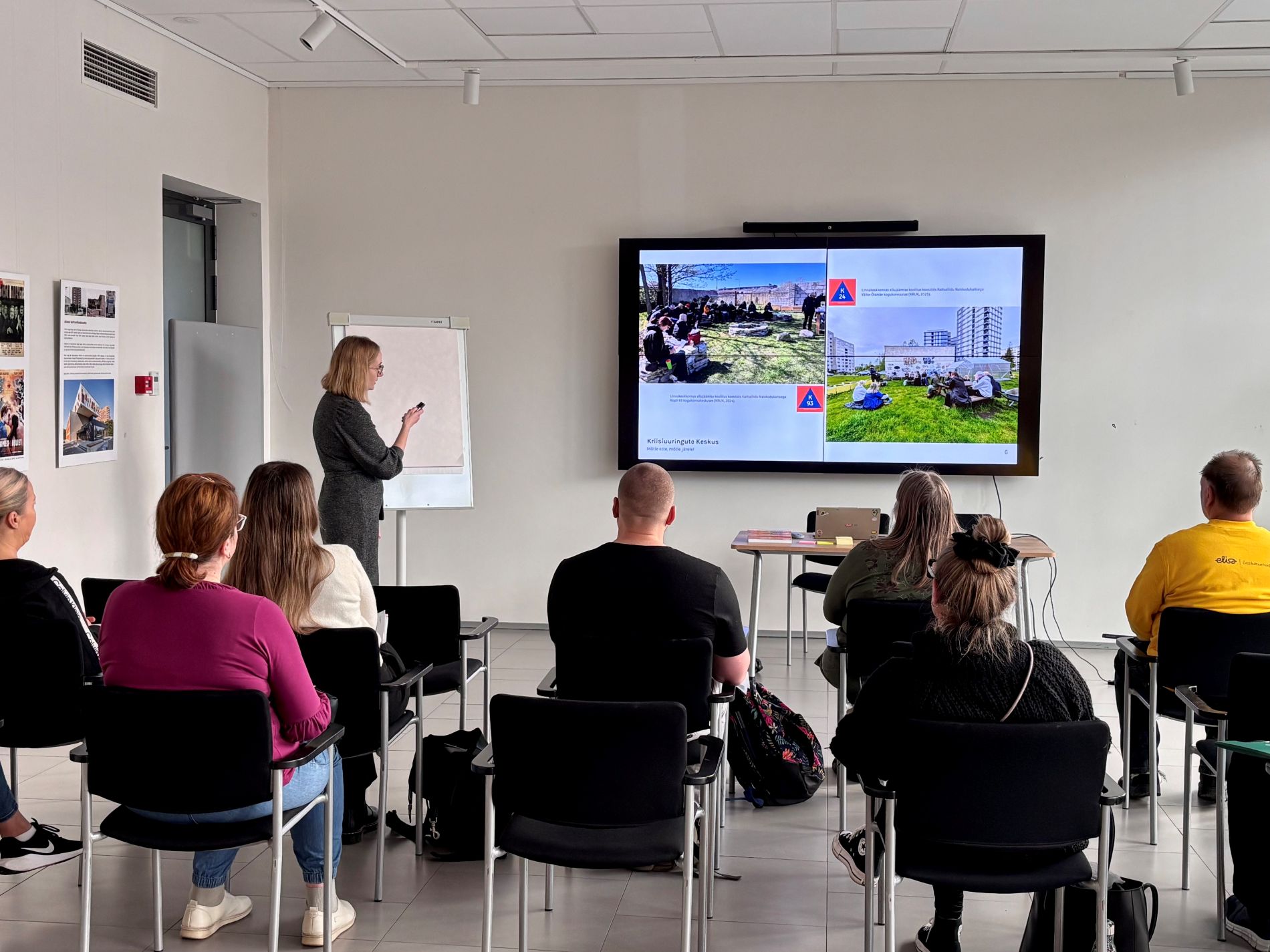
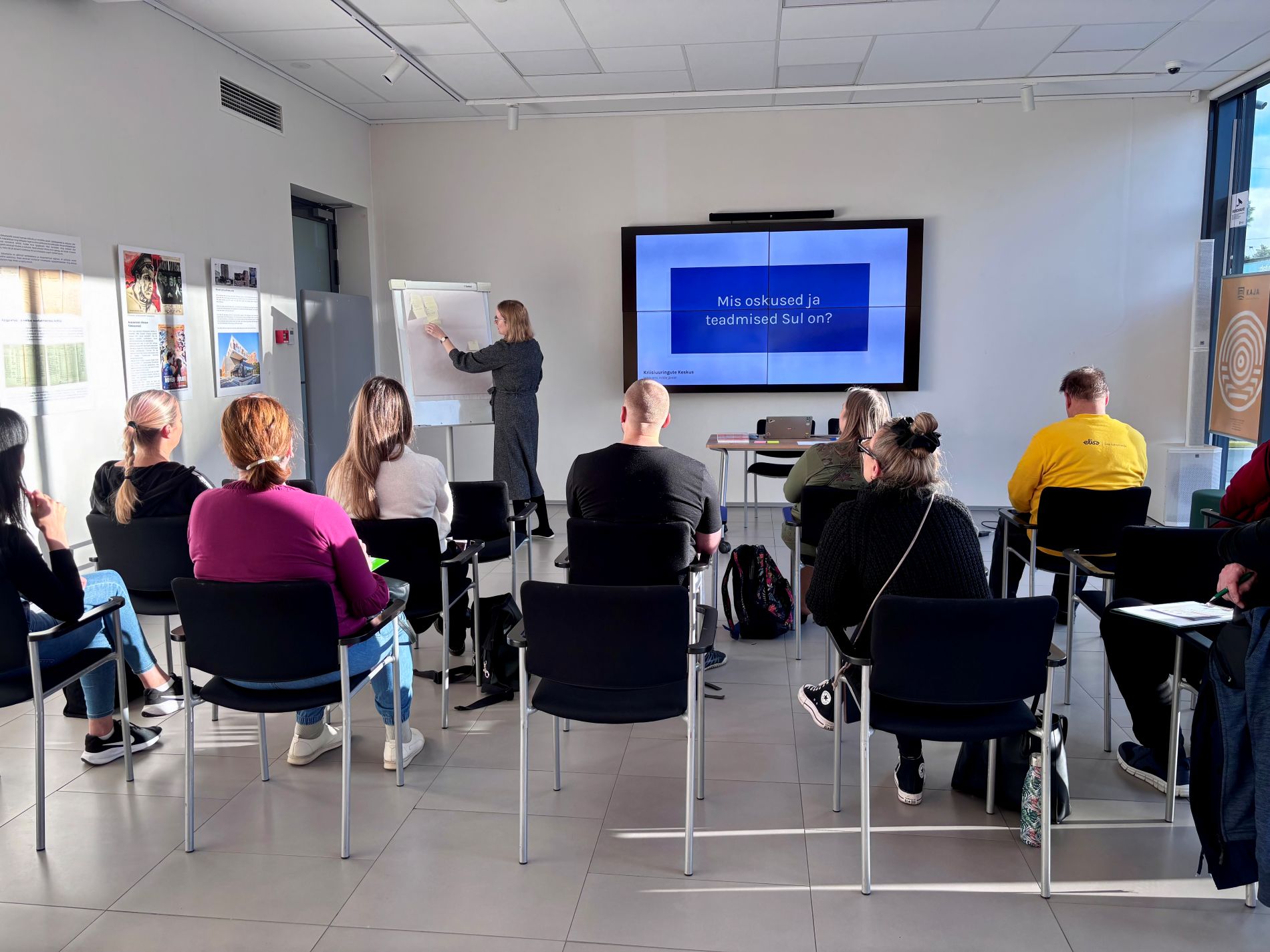
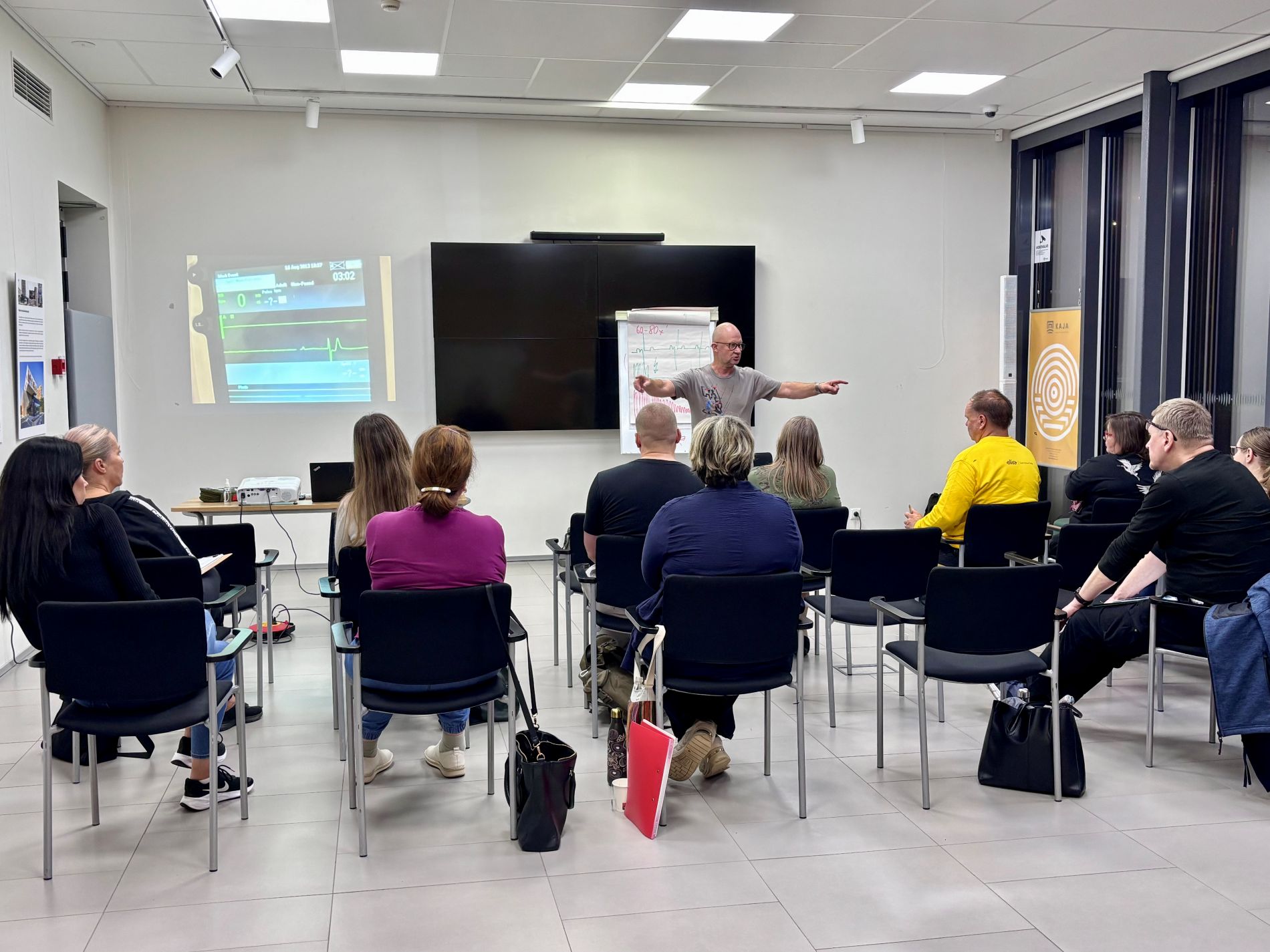
One final training session to take place in Mustamäe
The third and final KRAKO crisis network training session in Mustamäe will take place on 22 November 2026. This will bring this year’s Mustamäe training activities to a close. Throughout the programme, the Crisis Research Centre has focused on strengthening local residents’ knowledge, practical skills and connections with one another.
Responsibility for the ongoing coordination of the local crisis network established through KRAKO will rest with the City of Tallinn, through the Tallinn Municipal Police Department. The Crisis Research Centre’s role is to bring motivated residents together, help prepare them for future involvement and create the conditions for continued cooperation.
“For us, the success of a training programme cannot be measured simply by how many people turned up or how much new information they took away. Just as important, if not more so, is whether they are prepared to put that knowledge to good use and work with others afterwards. The early results from Mustamäe give us every reason to be pleased with the progress so far. But the real test will come when the connections made during training, and people’s willingness to get involved, translate into something meaningful on the ground,” Nagel concluded.
The KRAKO project is implemented by the Crisis Research Centre. The project is co-funded by the City of Tallinn, the Tallinn Municipal Police Department and the Crisis Research Centre.
Photos and video: KRAKO training session in Mustamäe, November 8, 2026 (Crisis Research Centre, 2026).
🔺The use, distribution, modification or publication of text and images is permitted only with the prior written consent of the NGO Crisis Research Centre. Any unauthorised use is strictly prohibited.
Jaga postitust: