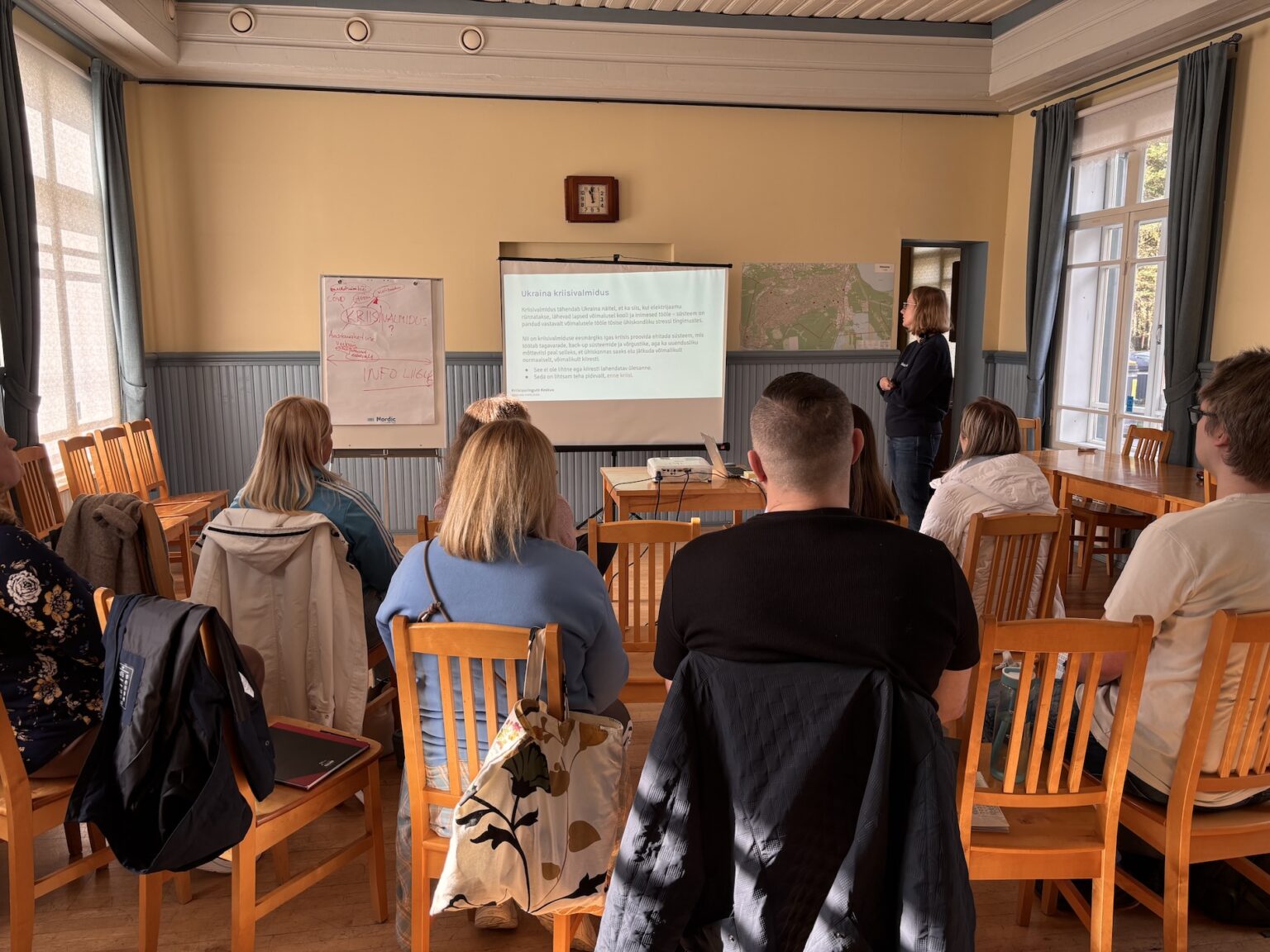
The first KRAKO crisis network training took place in Nõmme
On September 20, the first KRAKO crisis network training took place at Pääsküla Day Centre in Nõmme, bringing together local

On September 20, the first KRAKO crisis network training took place at Pääsküla Day Centre in Nõmme, bringing together local
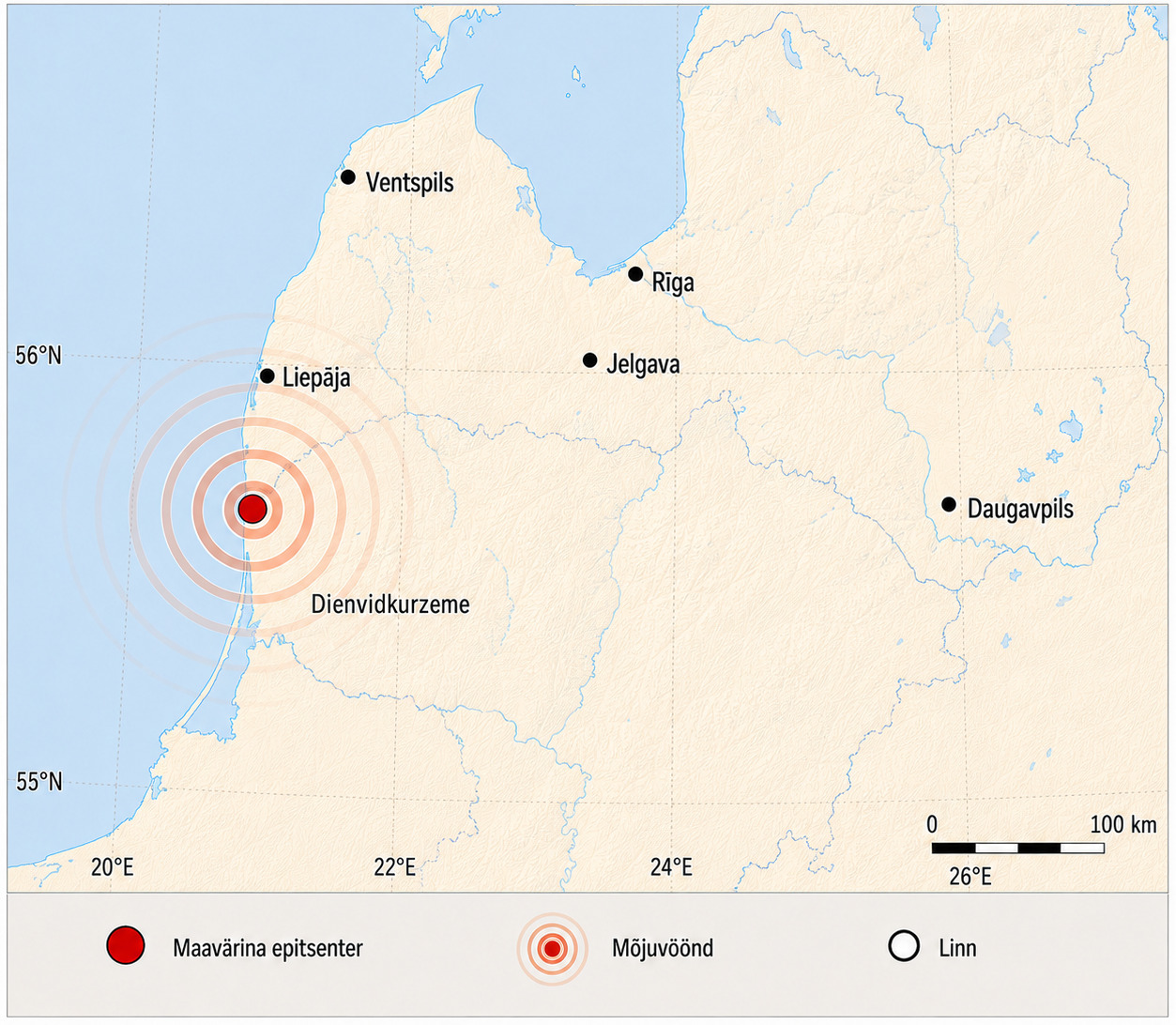
Latvia is a country with a low risk of earthquakes, but it is not entirely geologically inactive. In the usual
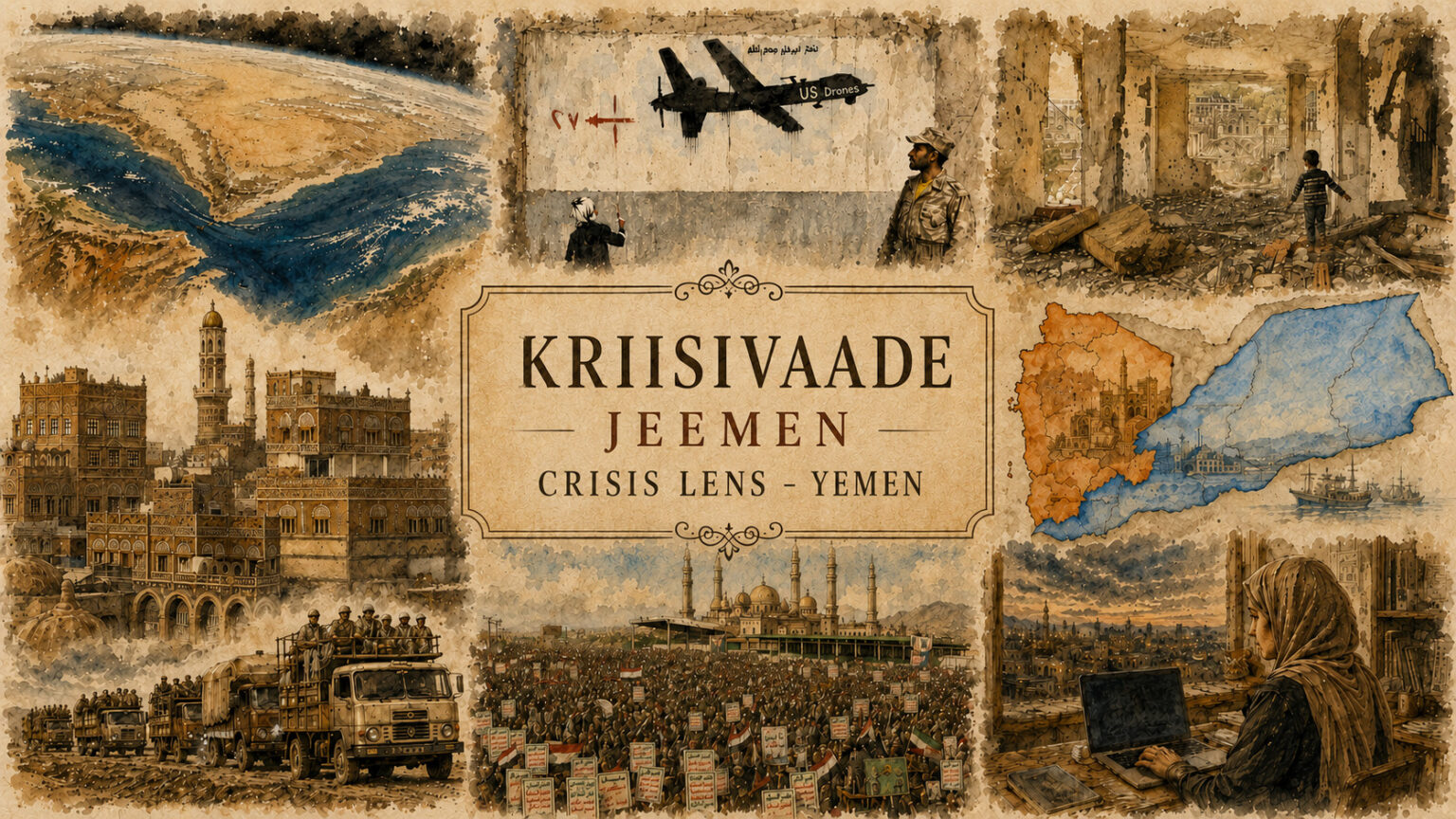
In this instalment of the Crisis Lens series, we turn our attention to Yemen, which the war in Gaza has propelled
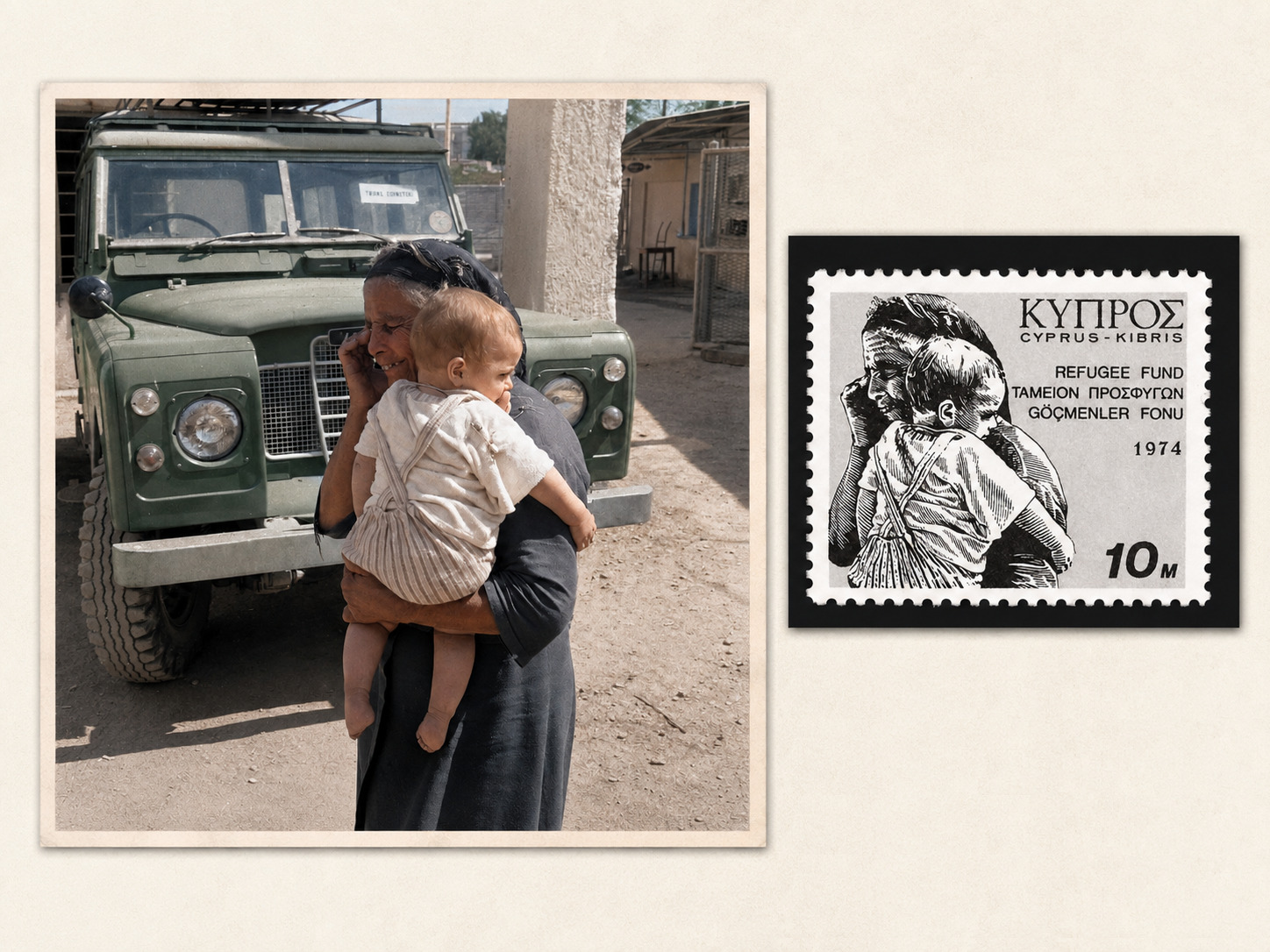
Crisis management is often understood as response: evacuation, supplies, rescue operations, command centres, sheltering, communications, logistics, and so on. The
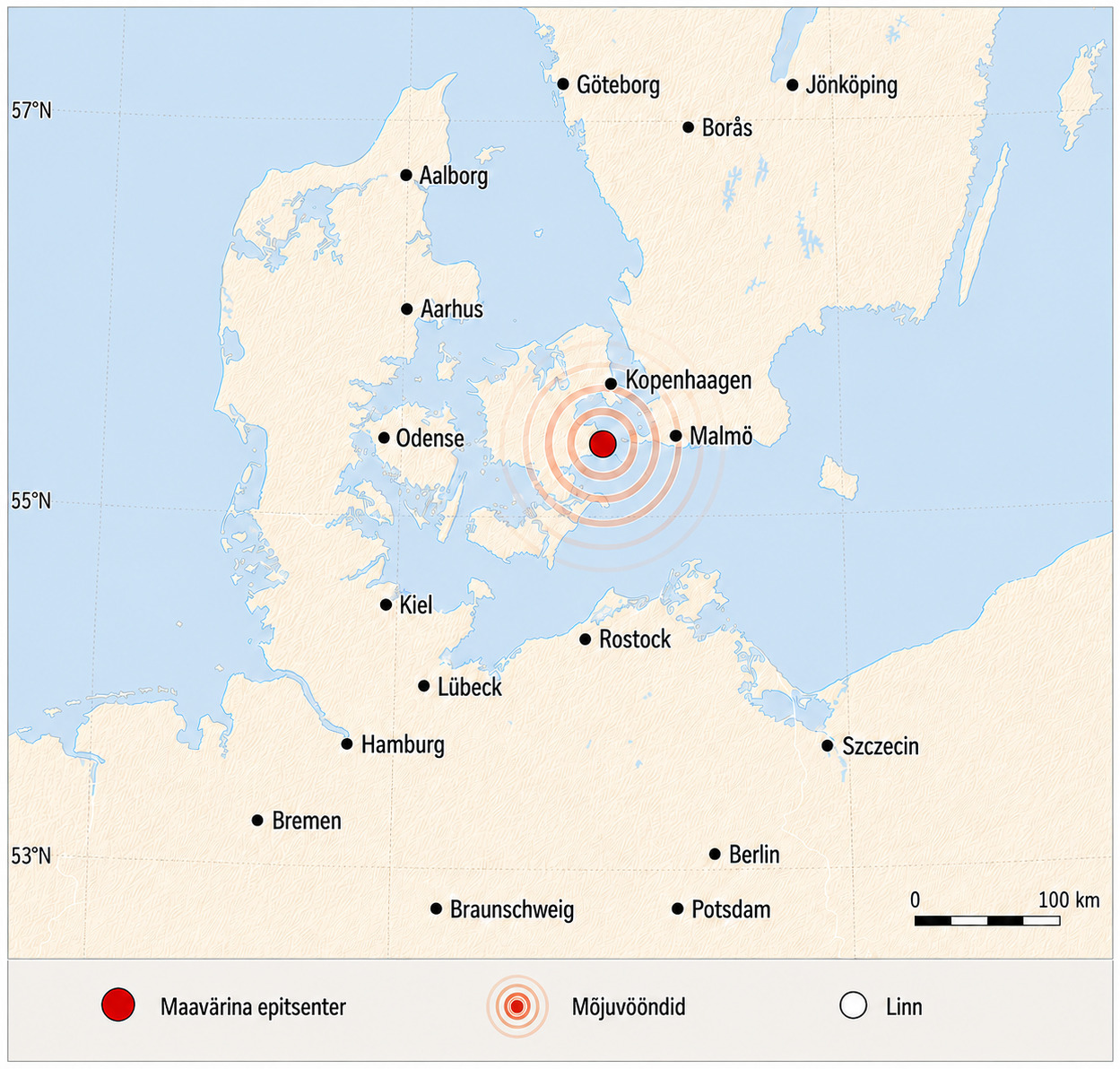
Denmark is not usually associated with earthquakes. In recent years, the country’s perception of risk has been shaped more by
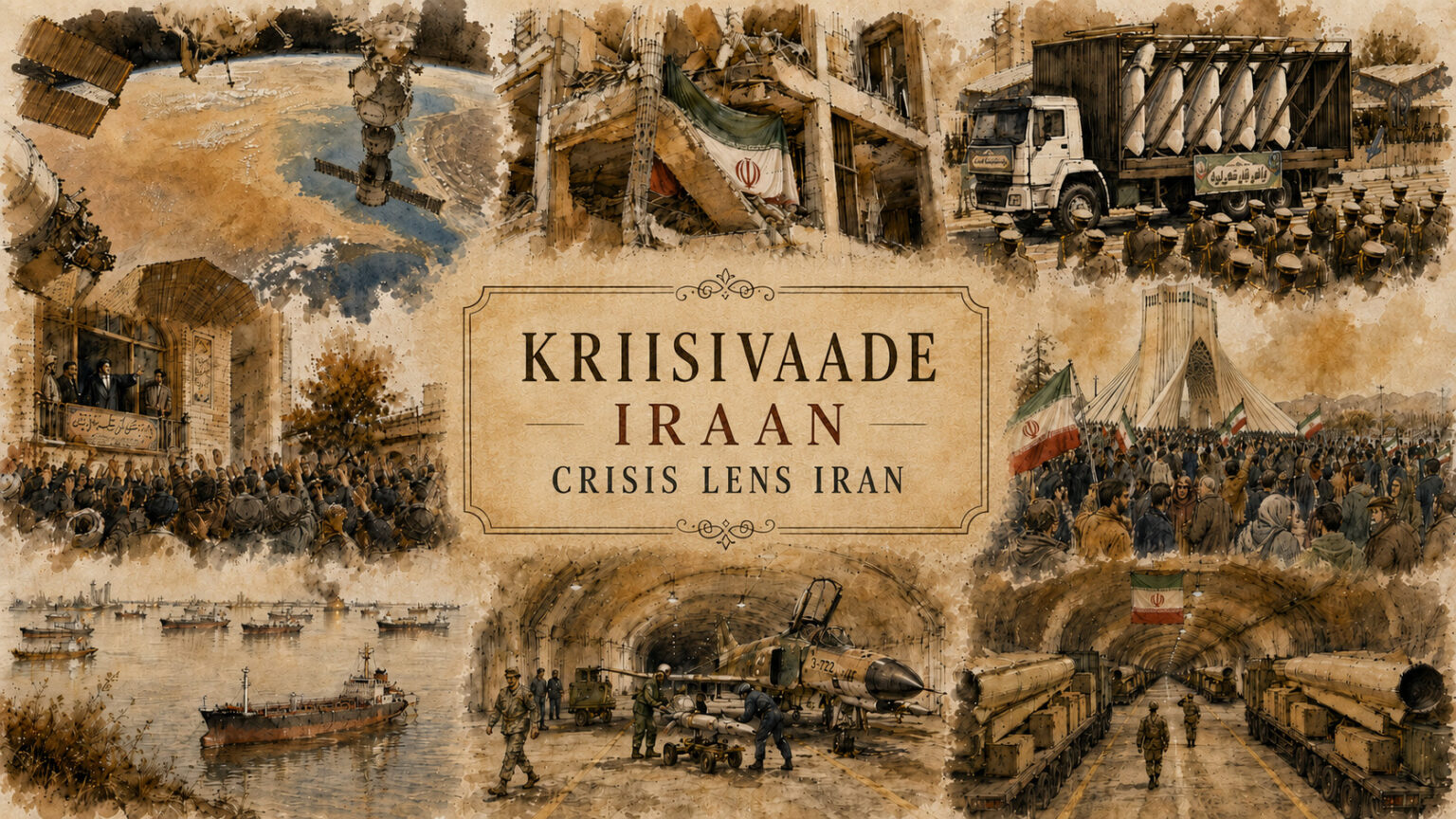
In this instalment of the Crisis Lens series, we examine a country that appears again and again in Middle Eastern
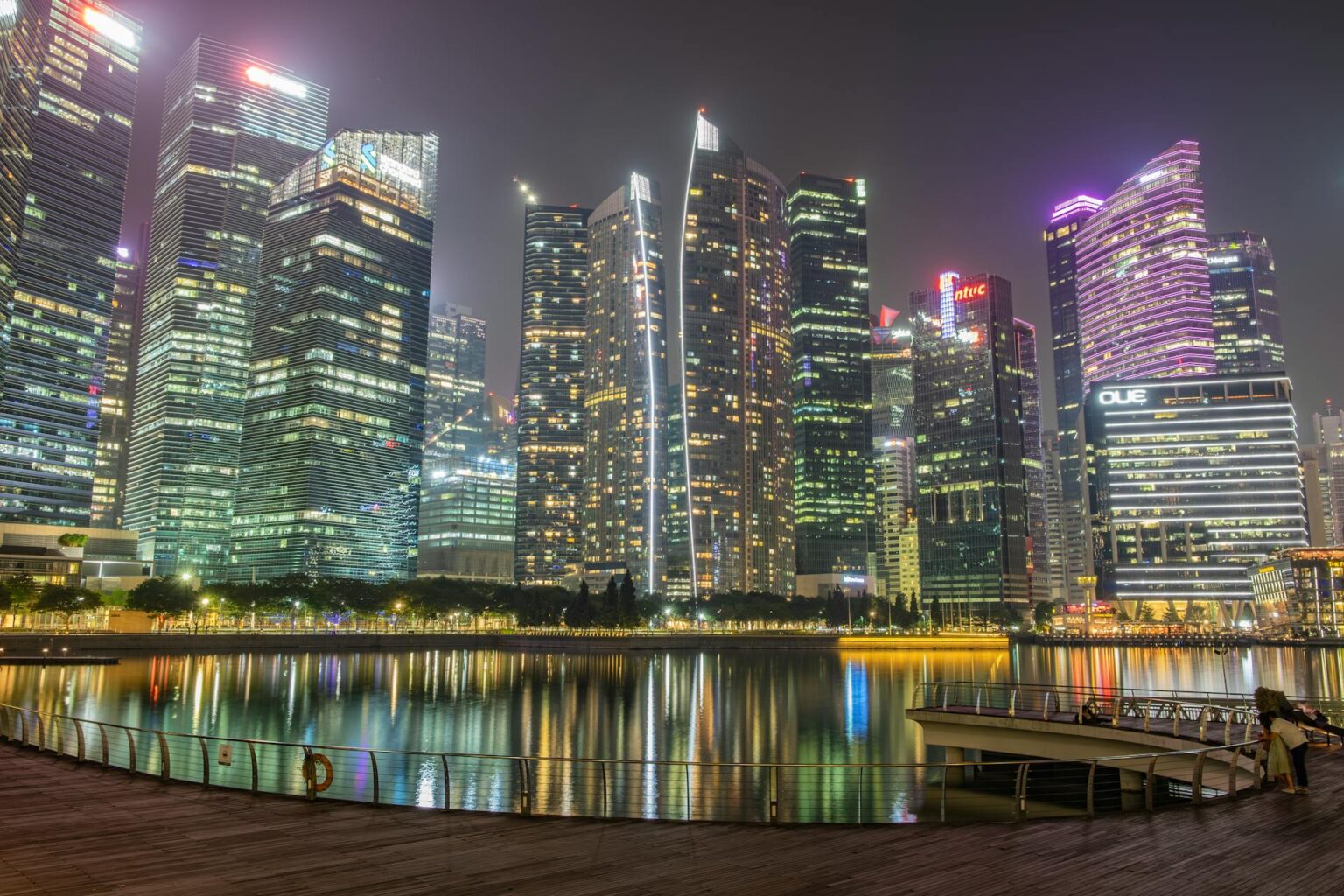
Singapore’s fuel crisis does not primarily appear as empty petrol stations, but in prices, electricity bills, shipping, and the question

Australia’s 2026 fuel crisis clearly shows how a geopolitical conflict taking place far away can, within a short period of
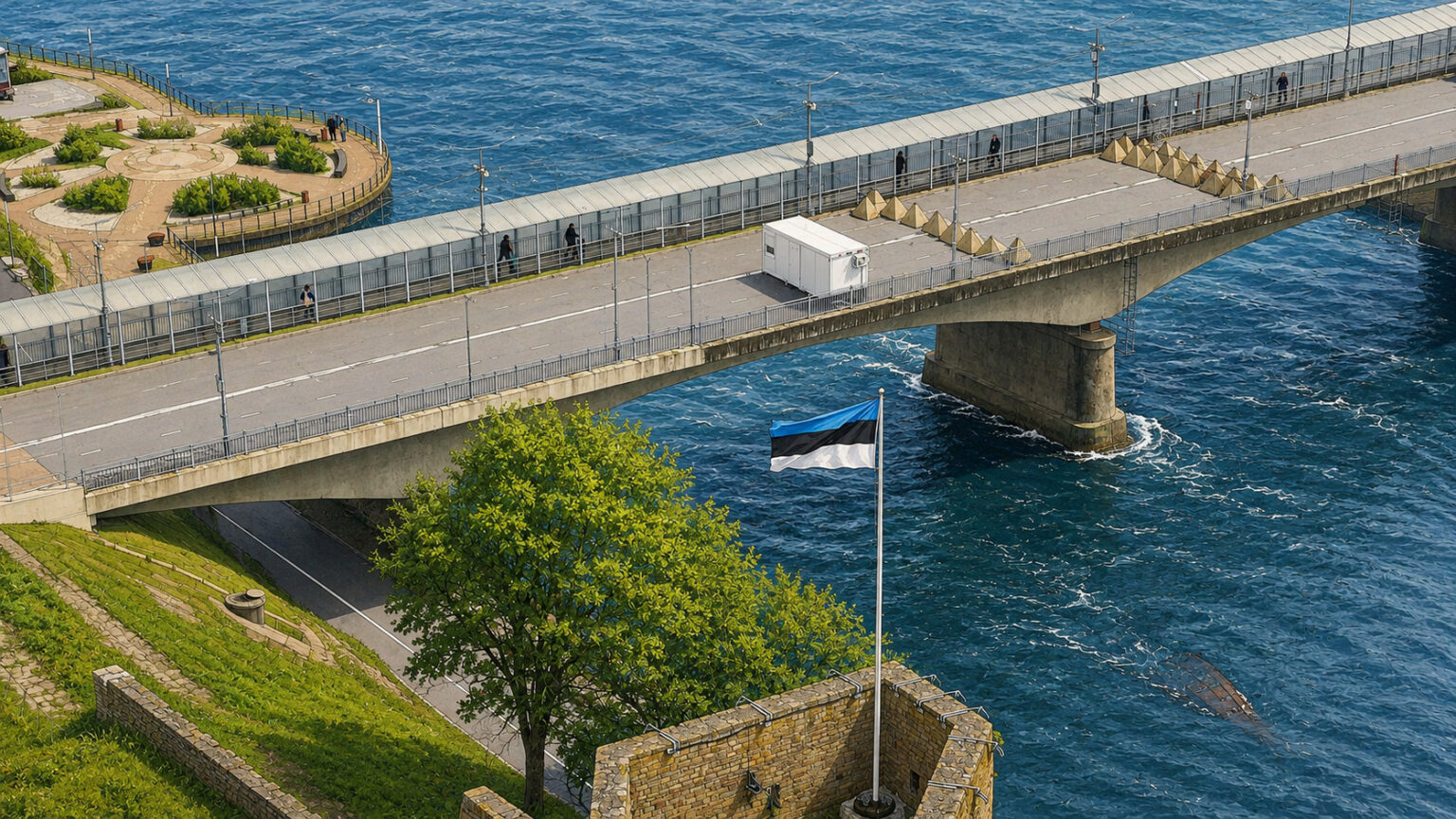
Crisis Research Centre intern Polina Odarych (Tallinn University) discusses the complexity of today’s information environments and how emotions, repetition, and
The government’s plan to move the Estonian Ministry of the Interior to the Kopli peninsula in North Tallinn would mean