
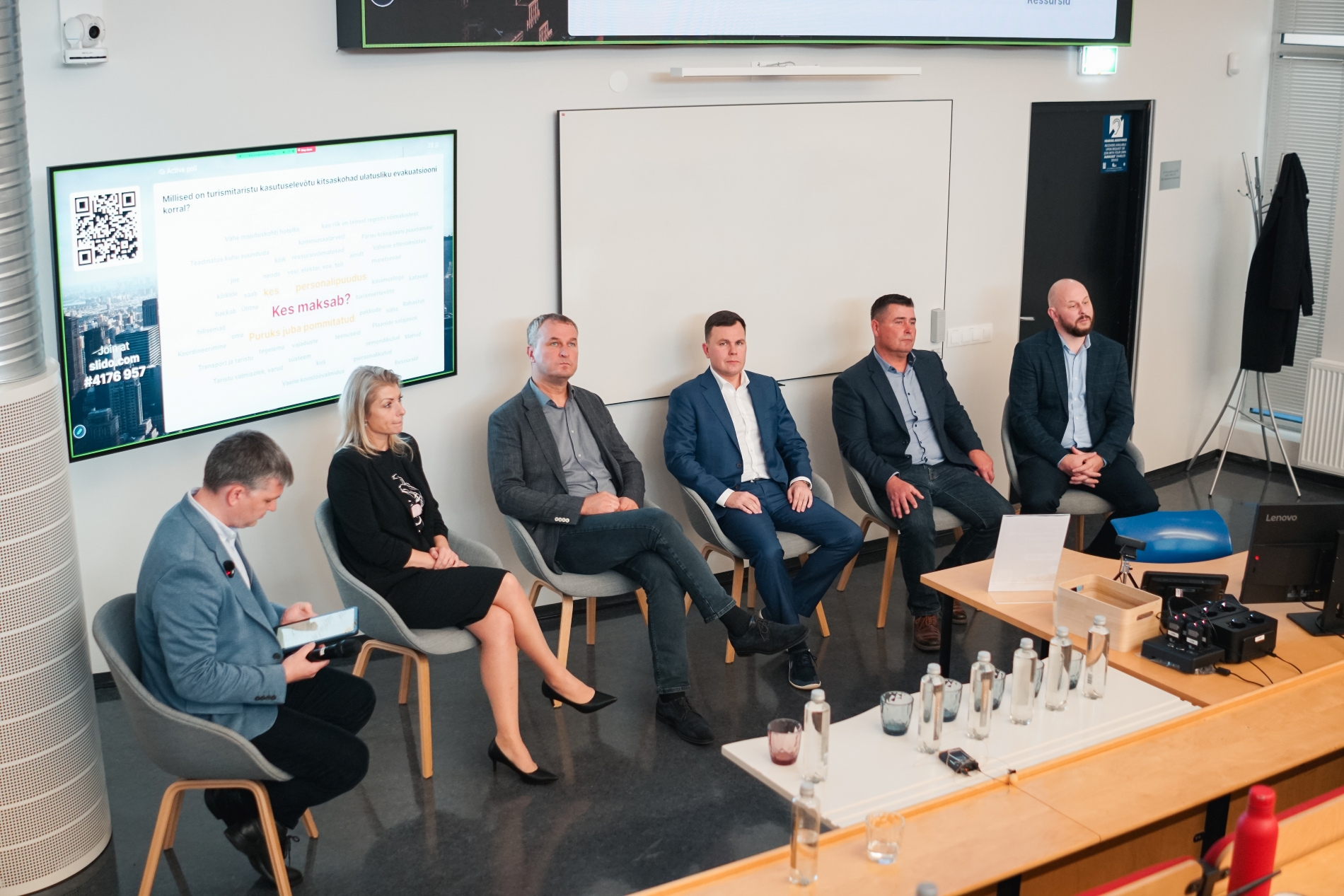
PANEL DISCUSSION | The role of tourism infrastructure in a cluster crisis
At the panel discussion held as part of the seminar The Role of Tourism Infrastructure in a Cluster Crisis at the University of Tartu Pärnu College, participants discussed how prepared Estonia is in practice to use tourism infrastructure to support civil protection in the event of a military conflict. Hannes Nagel, Head of the Crisis Research Centre, emphasised that the central objective must be the protection of people in Estonia, and that achieving this requires more than plans alone — the necessary capabilities must also exist in practice.
The panel discussion brought together Hannes Nagel, Head of the Crisis Research Centre; Orvika Reilend, Head of Tourism at the Estonian Business and Innovation Agency; crisis preparedness expert Raivo Lumiste; Heiki Soodla, Head of the Western Rescue Centre; and Jaan Ratnik, representing Tervis Spa Group. The discussion was moderated by Mirko Ojakivi.
At the beginning of the panel, participants were asked to rate Estonia’s current level of crisis preparedness on a ten-point scale. Nagel rated it at roughly one out of ten, pointing primarily to serious shortcomings in practical capabilities and the resources available to the internal security sector. According to him, both the Crisis Research Centre and the Estonian Rescue Workers’ Trade Union have been drawing attention to these weaknesses for years. “Civil protection must move from plans to actual capability, which is simply not possible under the chronic underfunding that has long characterised Estonia’s internal security sector,” said Hannes Nagel, Head of the Crisis Research Centre.
“Public authorities have all kinds of plans and concepts in place, but in a polycrisis the outcome is determined by the capabilities that actually exist. A plan is not a capability. Having a generator, for example, does not solve the problem if we have not considered where the fuel will come from during a prolonged disruption, who will maintain it, who can repair it, and how the entire system will function when one dependency after another is disrupted,” Nagel noted.
According to Nagel, crisis preparedness discussions often overlook precisely those practical and seemingly mundane details on which real continuity depends. The same applies to large-scale evacuation. Moving, receiving and temporarily accommodating hundreds of thousands of people is not merely a logistical issue, but requires transport, accommodation, catering, medical assistance, security, information, personnel, coordination and functioning local networks to operate simultaneously. In Nagel’s assessment, many of these capabilities in Estonia currently remain closer to the level of planning than to sufficiently tested and practised operational capacity.

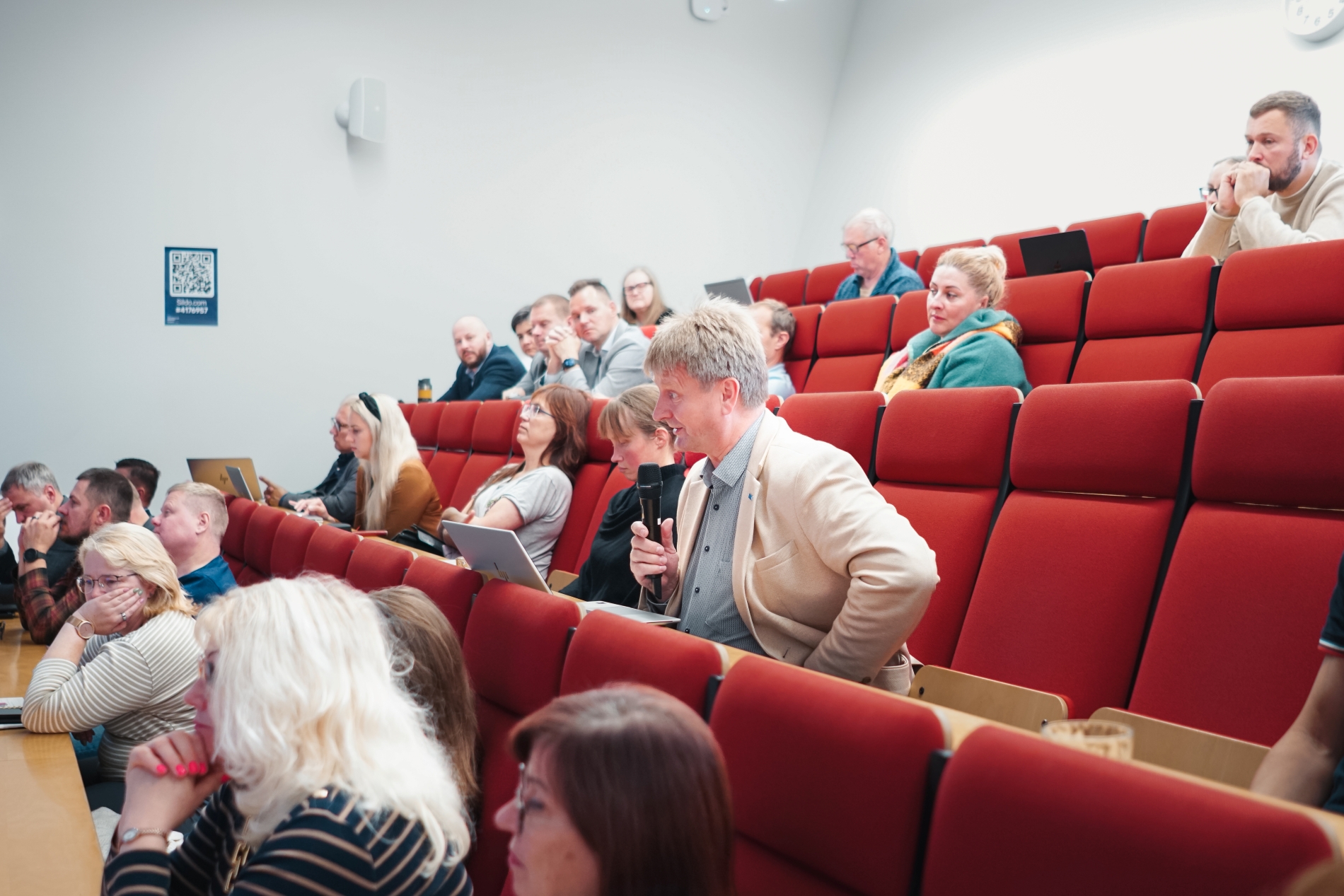
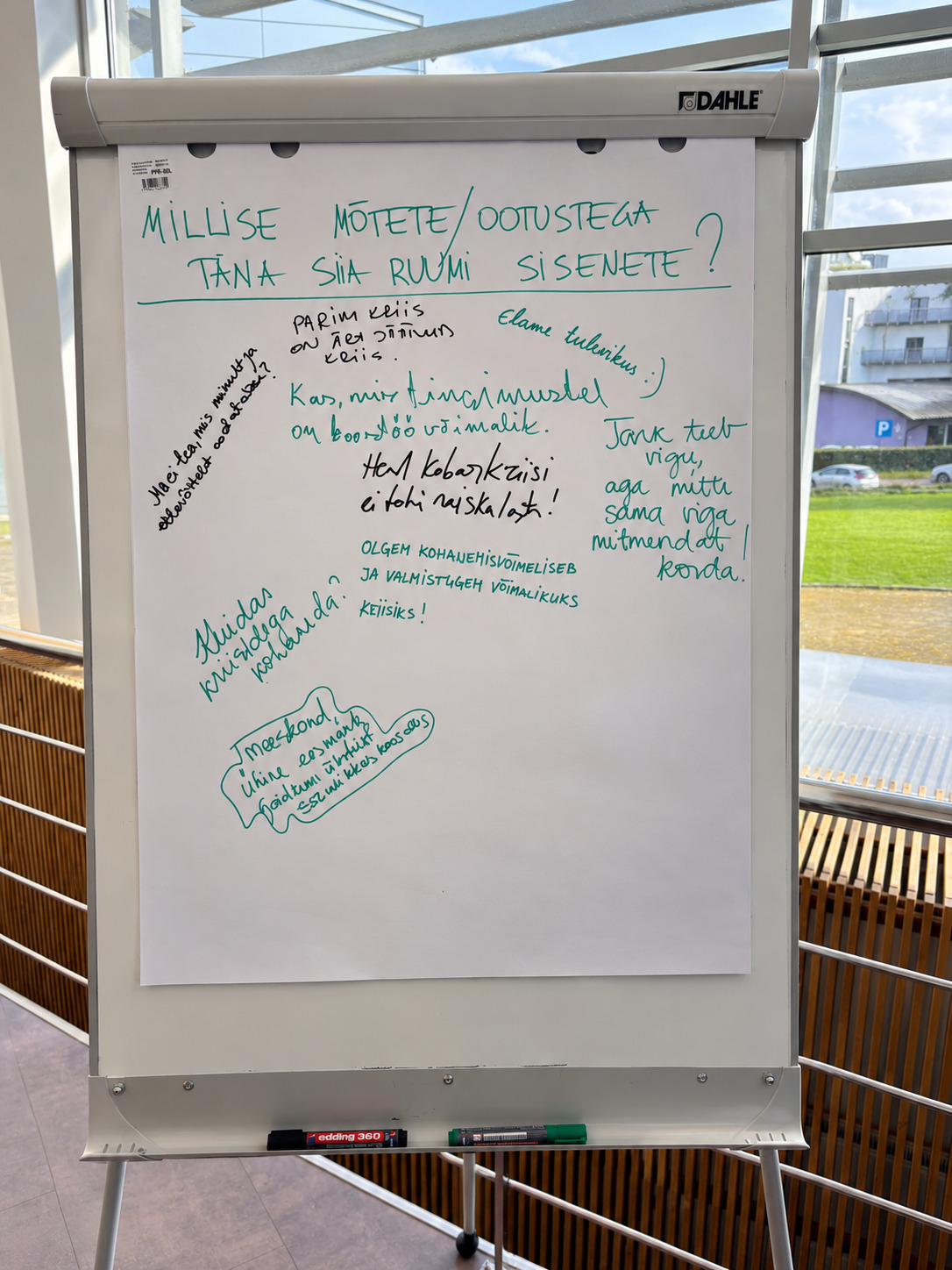
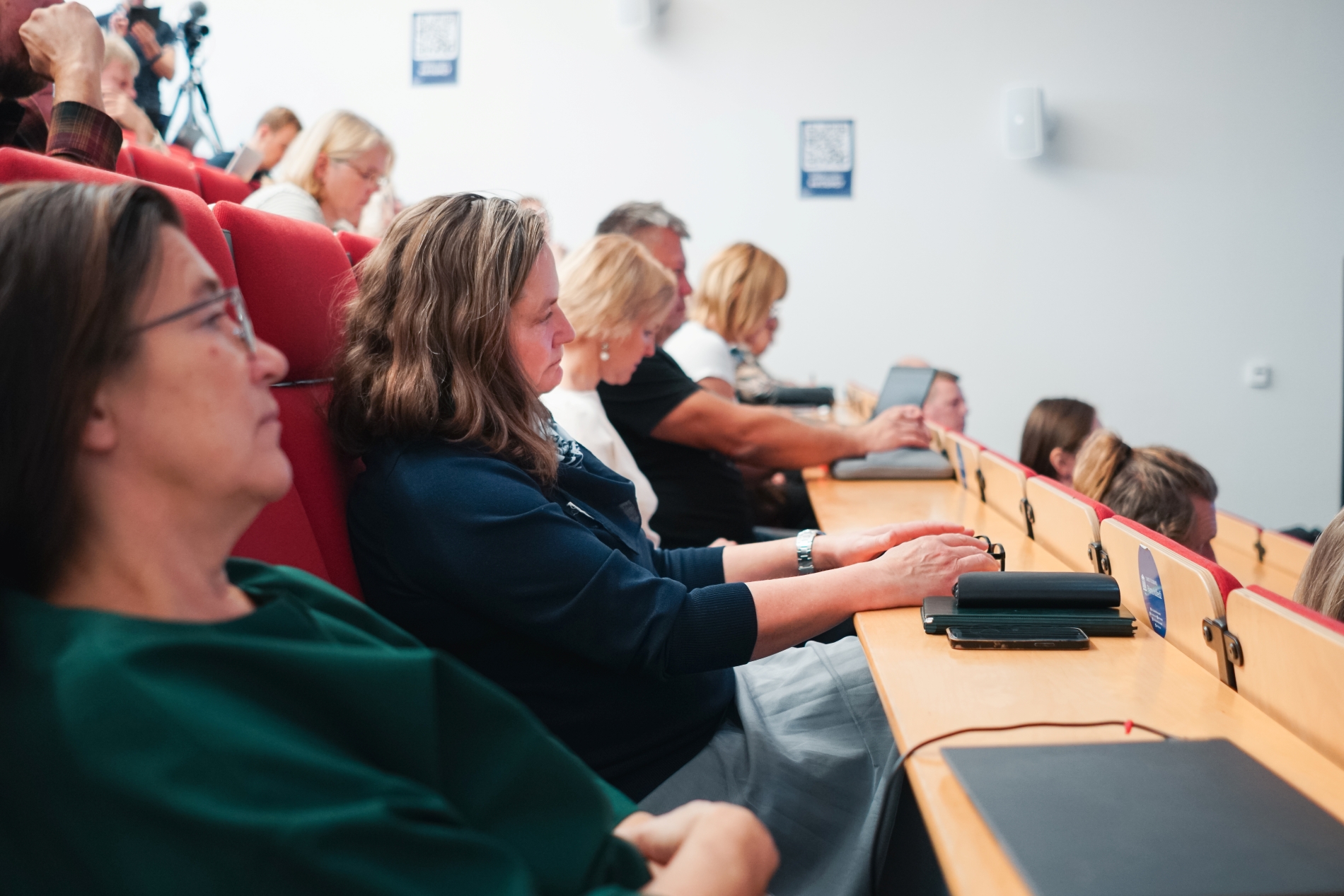
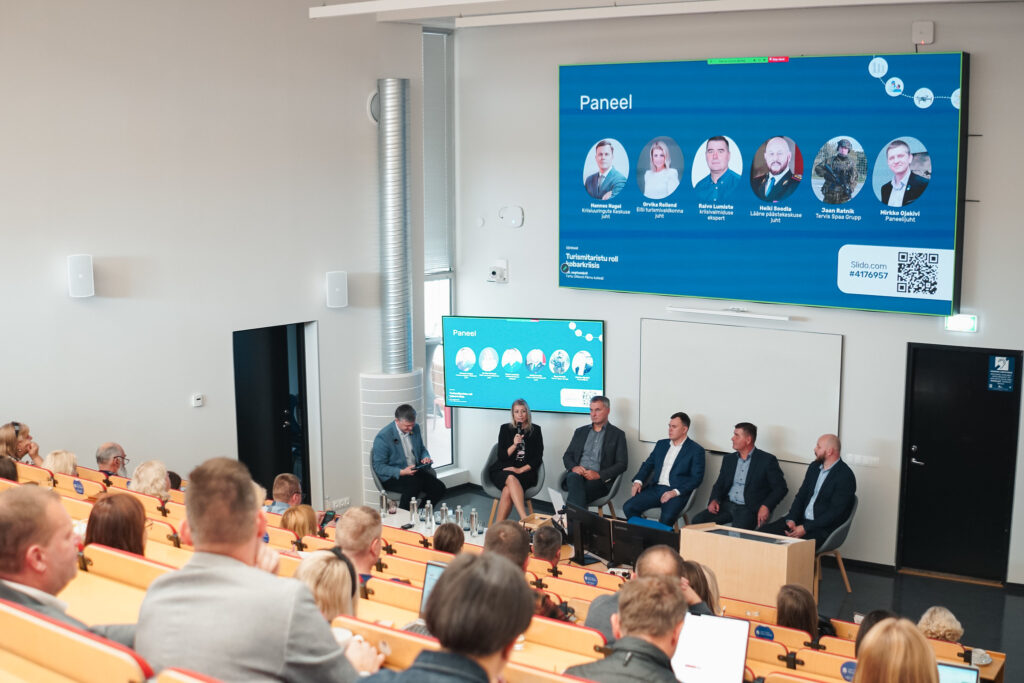
Watch the full panel discussion.
“When we are talking about relocating hundreds of thousands of people, it is not enough to know that accommodation capacity or transport resources theoretically exist somewhere. The real question is whether the people, resources, decision-making authority and logistics can actually be mobilised and made to work at the same time. Are municipalities and communities in receiving regions genuinely capable of supporting internally displaced people? The gap between plans and actual capability must be reduced rapidly and systematically,” Nagel said.
The role of the tourism sector emerged repeatedly during the seminar discussion. Accommodation providers, catering businesses, transport capacity and other parts of tourism infrastructure together form a critically important resource base in a crisis, but putting these resources into use requires prior agreements, a clear understanding of how losses and costs will be compensated, established contacts, and well-planned cooperation between the state, local authorities and businesses. As Nagel emphasised in his presentation Polycrisis – or How to Remain Resilient?, what matters in a system is not only which elements exist, but also how they are connected and how quickly they can be reorganised to serve a new purpose when circumstances change.
Photos and video: Seminar held on 25 September (Sandra Peegel/University of Tartu Pärnu College, 2026; Crisis Research Centre, 2026).
🔺The use, distribution, modification or publication of the text, videos and images is permitted only with the prior written consent of the NGO Crisis Research Centre. Unauthorised use is prohibited.
Jaga postitust: