
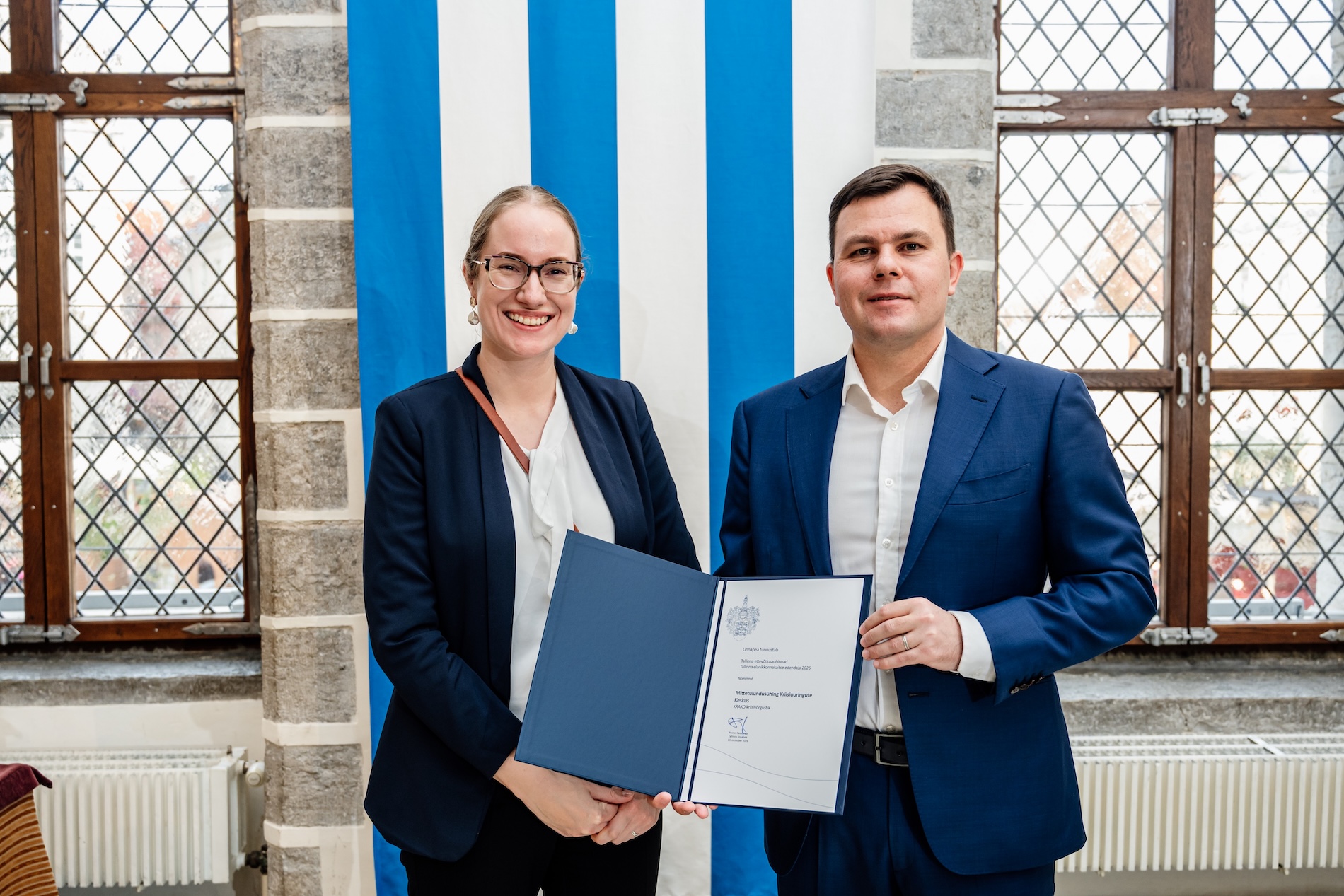
Tallinn recognises the Crisis Research Centre’s contribution to civil protection
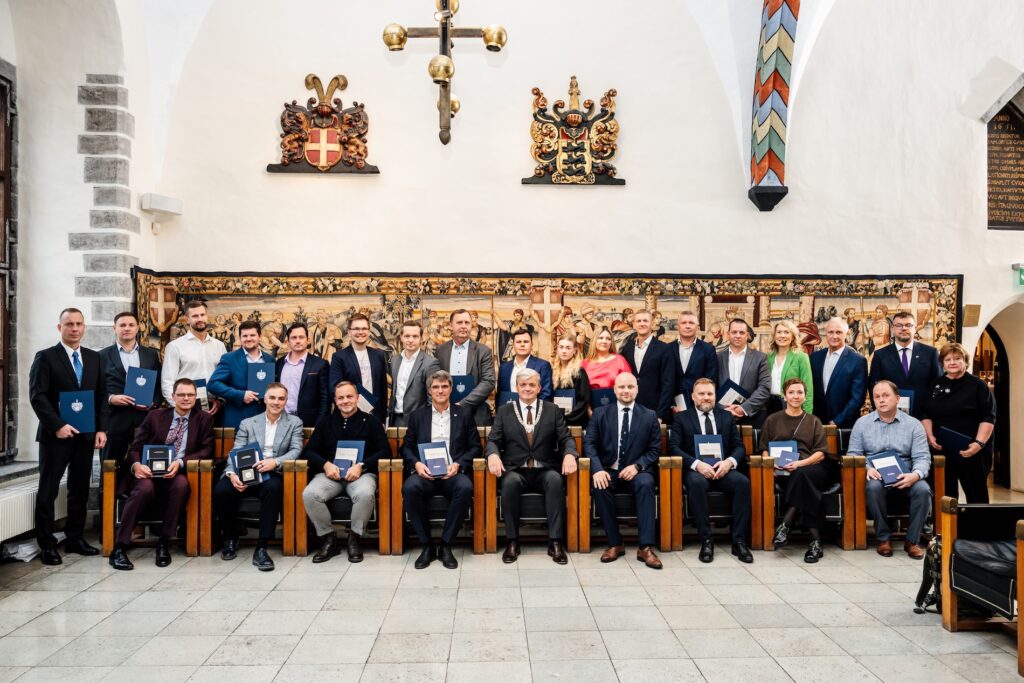
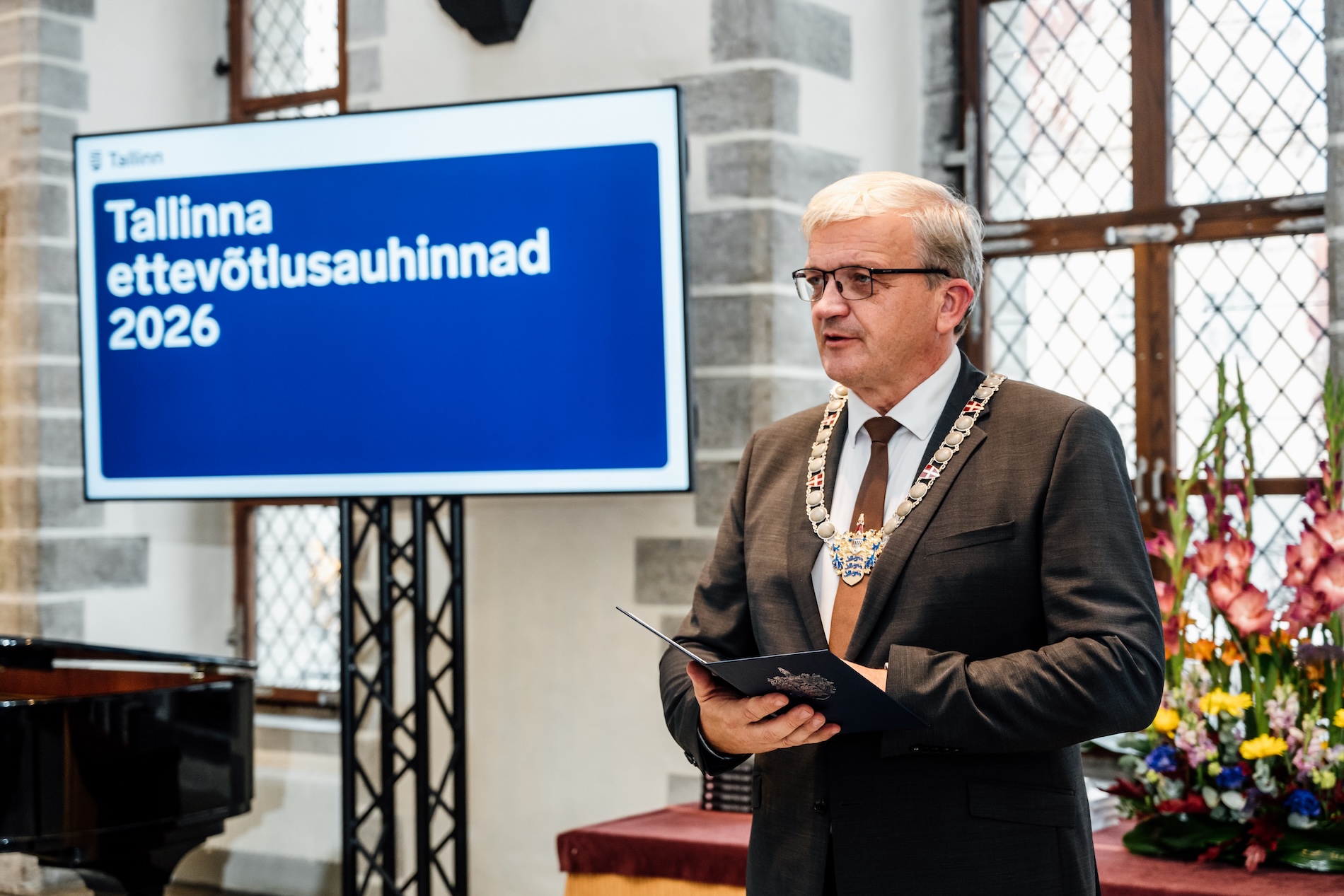
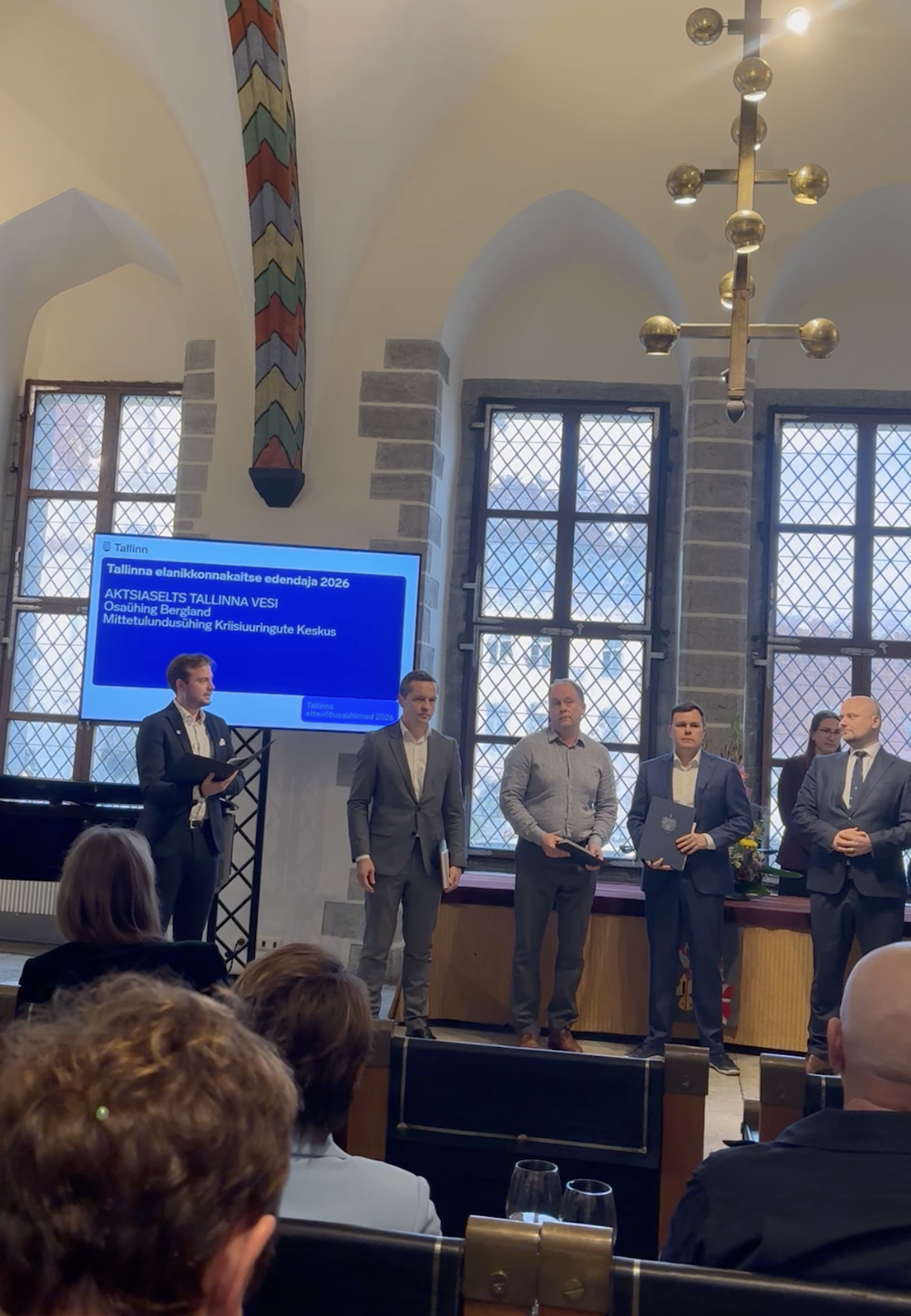
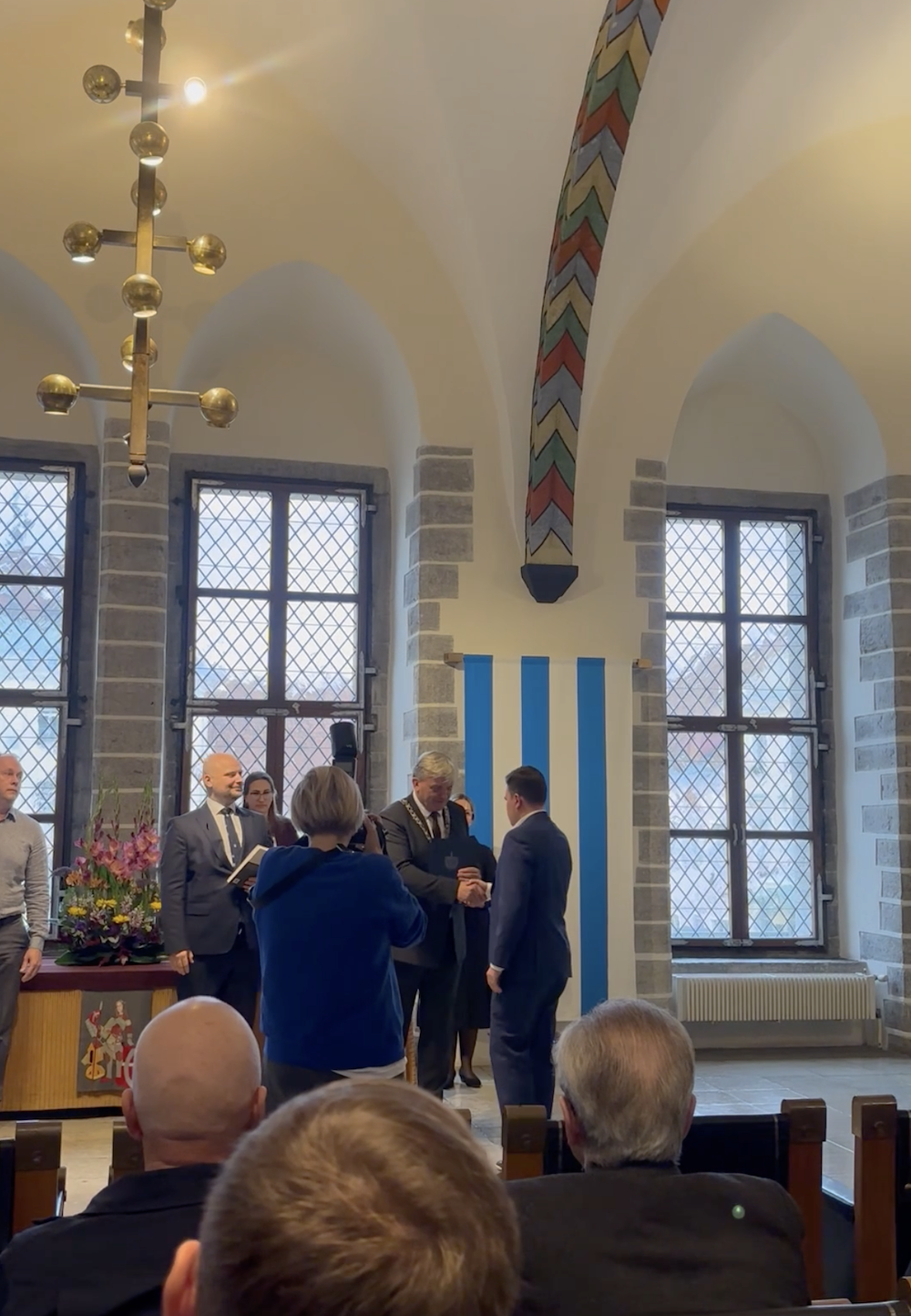
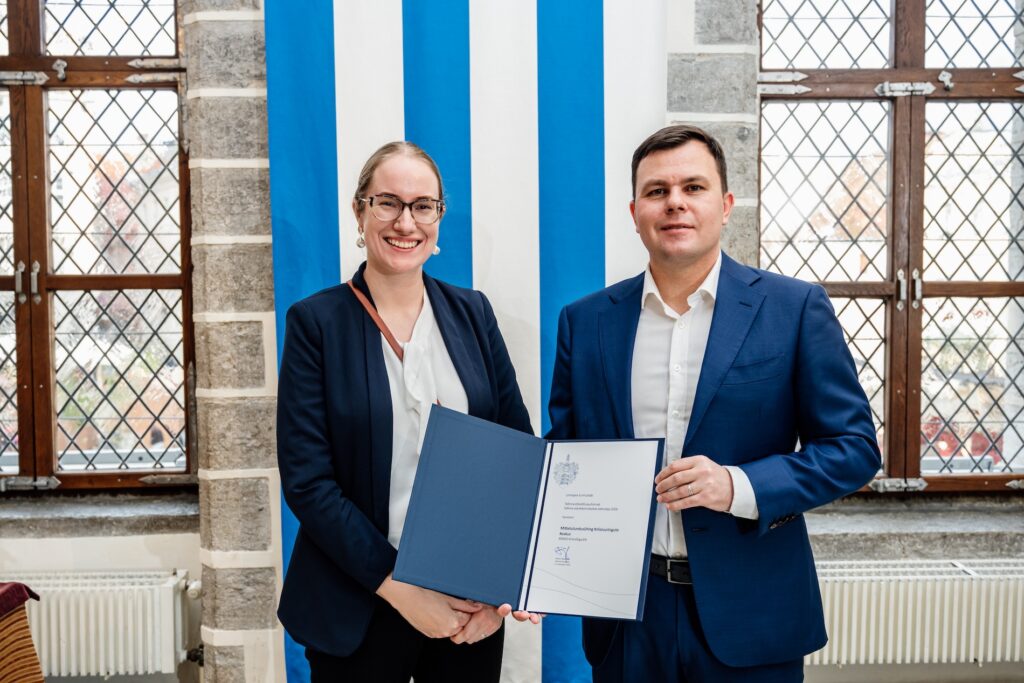
Tallinn presented its Entrepreneurship Awards for the 23rd time this year, recognising companies, organisations and projects whose work has a wider impact on the city. In 2026, civil protection was introduced for the first time as one of the seven award categories. The Crisis Research Centre’s KRAKO crisis network was selected by the evaluation committee as one of the nominees in the category. The nominees were recognised at a formal reception held at Tallinn Town Hall on 13 October. When presenting this year’s nominees, Tallinn Mayor Peeter Raudsepp highlighted the diversity and ambition of their work.
“This is recognition of an approach which sees crisis preparedness as something that cannot be built solely from the top down. At local level, there needs to be a capacity to bring together people, their knowledge and their willingness to act. The fact that KRAKO was nominated for the Tallinn Civil Protection Promoter award confirms to us that developing community crisis networks is an important part of strengthening civil protection in Tallinn,” said Hannes Nagel, Head of the Crisis Research Centre and KRAKO Project Lead.
Crisis preparedness does not mean coping alone
The Crisis Research Centre works from the principle that crisis preparedness goes beyond individual preparedness. Alongside household emergency supplies, knowledge and practical skills, people’s ability to cope during a prolonged or large-scale crisis also depends on cooperation between residents, communities, city districts and the authorities responsible for crisis management.
“Crisis preparedness does not mean that people are expected to cope with everything on their own. It is an ongoing process of building the capacity to prepare for and manage crises in a way that allows people’s daily lives, essential services and society as a whole to continue functioning to the greatest extent possible. This requires not only individual preparedness, but also effective relationships and the capacity to cooperate with those around us,” Nagel explained.
Through the KRAKO crisis network project, a foundation is being established in western Tallinn for the more systematic development of local crisis networks. The project brings together people who want to contribute to crisis preparedness in their local area, provides them with a shared foundation of knowledge about civil protection and action during crises, and creates contacts that city districts and the Tallinn Municipal Police Department can build on in developing further cooperation. The aim of local networks is to establish these contacts and the basis for cooperation before a crisis occurs. People who know their local area can help identify local needs, share information and support existing crisis management arrangements.
The project combines practical action with research
KRAKO is also an applied research project examining how community-based civil protection develops at local level and what conditions are needed for effective cooperation between local authorities and communities.
“We are particularly interested in what happens after communities are encouraged to take a more active role in crisis preparedness. Who are the people willing to contribute? What motivates them? What role do they see for themselves, and what kind of cooperation does the city expect from them? Most importantly, how can this be developed into a system that would also work in a real crisis? These are precisely the questions we want to explore through KRAKO,” Nagel said.
The experience gained through the project will help assess which models of cooperation are workable in practice and how responsibilities might be shared between local authorities, institutions and communities.
“Systematic models of cooperation between communities and local authorities in civil protection are still developing. We want KRAKO to produce both practical knowledge and a functioning network that can provide a basis for more sustained cooperation in the future,” Nagel said.
🟠 KRAKO crisis network activities will continue in Haabersti, Mustamäe and Nõmme until the end of 2026. The KRAKO project is implemented by the Crisis Research Centre. The project is co-funded by the City of Tallinn, the Tallinn Municipal Police Department and the Crisis Research Centre. Further information and registration are available via the Tallinn crisis preparedness website.
Photos: Reception at Tallinn Town Hall on 13 October (Crisis Research Centre; Ellen Rudi, Tallinn Strategic Management Office, 2026).
🔺The use, distribution, modification or publication of the text and images is permitted only with the prior written consent of the NGO Crisis Research Centre. Unauthorised use is prohibited.
Jaga postitust: