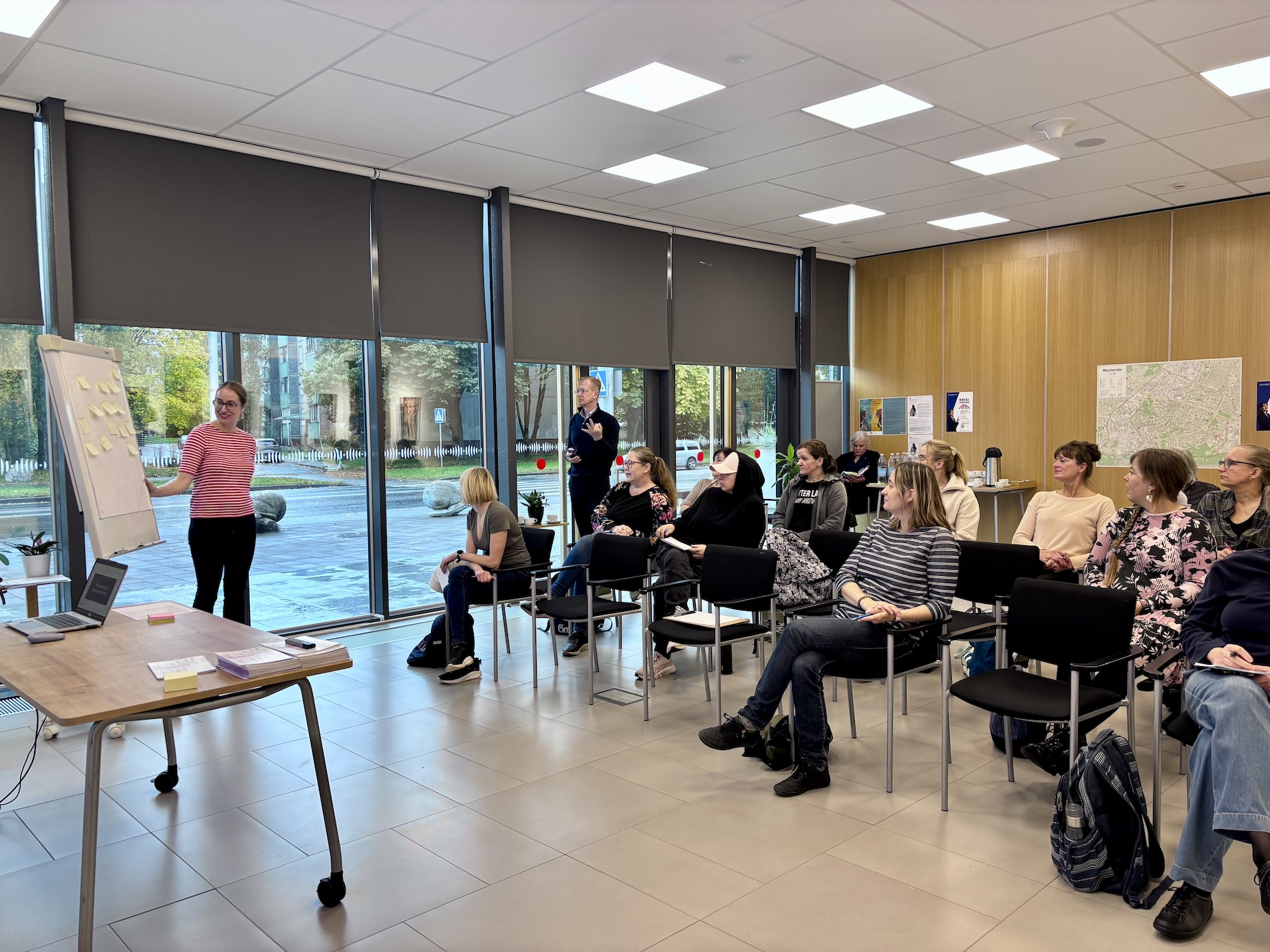
First KRAKO crisis network training held in Mustamäe
The KRAKO training programme is not focused solely on individual preparedness. Its aim is to bring together people who live and work in the area and who are both interested in and willing to support their community during a crisis, while helping to develop a functioning local network of contacts and cooperation.
“Crisis preparedness is not simply about having the necessary supplies at home and knowing what to do yourself. It is just as important to know who is around you, what knowledge and skills they have, and who you can work with when needed. Once a crisis has begun, it is too late to start exchanging phone numbers and looking for people who might be willing to help,” said KRAKO Project Lead Hannes Nagel.
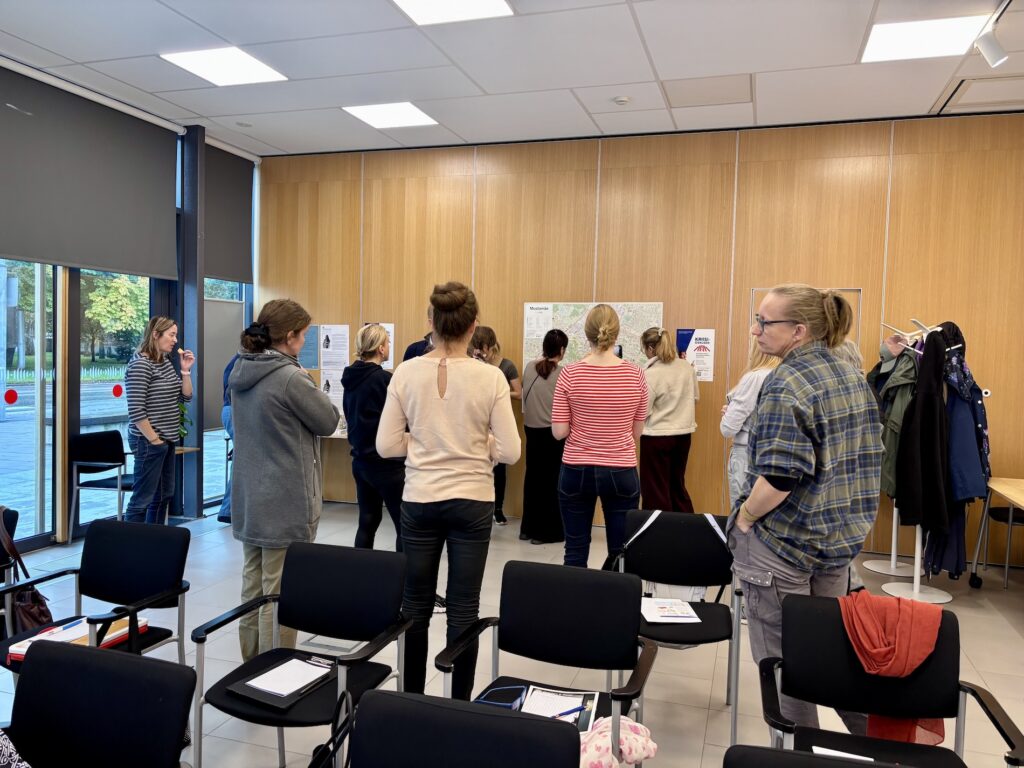
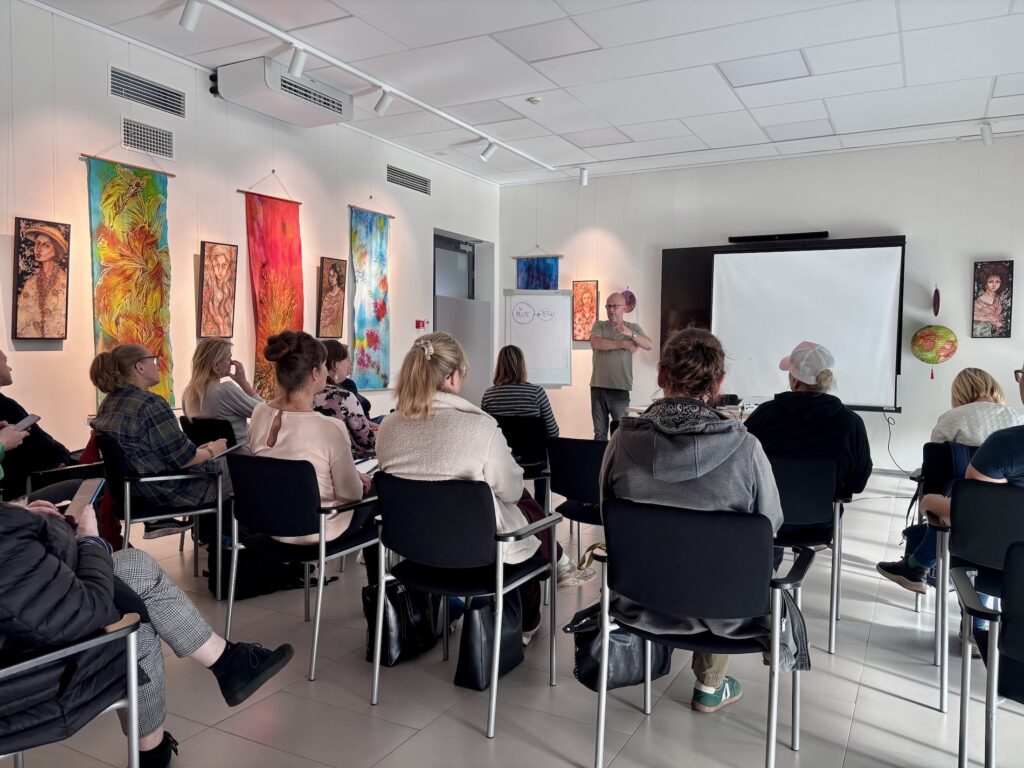
During the training day, participants explored the principles of crisis preparedness and civil protection, the role of communities during emergencies, and the ways in which local residents can help identify people who may need assistance, share information and support their neighbourhoods. The practical first aid component was delivered by paramedic Andrus Lehtmets. The KRAKO programme combines local-level crisis preparedness, community cooperation and practical skills.
Training is also creating new connections for future cooperation
Feedback from the first Mustamäe training session clearly demonstrated why bringing people together is such an important part of the KRAKO project. When participants were asked, “How many new people did you meet during the training whom you could contact or work with in the future on crisis preparedness and community safety?”, nearly 92% said they had made at least one new contact. Around one third of participants identified two or three people with whom they could potentially cooperate in the future.
“For us, this is a very important outcome. A crisis network cannot simply be created as a list of names or a diagram. It has to be built around people who have actually met, spoken to one another and know whom they can turn to when needed. In that sense, the training is only the starting point. Our aim is for these new connections to gradually develop into a functioning local crisis network in Mustamäe,” said Nagel.
The strength of local residents lies precisely in their local knowledge. They know their own building, street and neighbourhood, are able to identify people and situations that cannot be understood in the same level of detail centrally, and can help share information, connect people and identify residents who may need additional support during a crisis. The KRAKO crisis network aims to strengthen local-level crisis management capacity across Tallinn’s city districts.
There is still an opportunity to join the programme in Mustamäe
The next KRAKO crisis network training sessions in Mustamäe will take place on November 8 and November 22, from 10.00 to 18.00. Participation is free of charge, and applications are still open. “We encourage Mustamäe residents who genuinely want to contribute to their community’s crisis preparedness to take advantage of this opportunity. At the same time, it is important to understand that this is not simply a free course to attend for something to do. Places are limited, and we only select motivated candidates who are prepared to put what they learn into practice, act as a connector within their community and, if needed, support the district,” Nagel emphasised.
🟠 Registration for the training sessions on November 8 and November 22 is available via the City of Tallinn’s crisis prevention webpage.
Photos: KRAKO training in Mustamäe, 10 October 2026 (Crisis Research Centre, 2026).
🔺The use, distribution, modification or publication of the text, photographs and illustrations is permitted only with the prior written consent of the NGO Crisis Research Centre. Any unauthorised use is prohibited.
Jaga postitust: