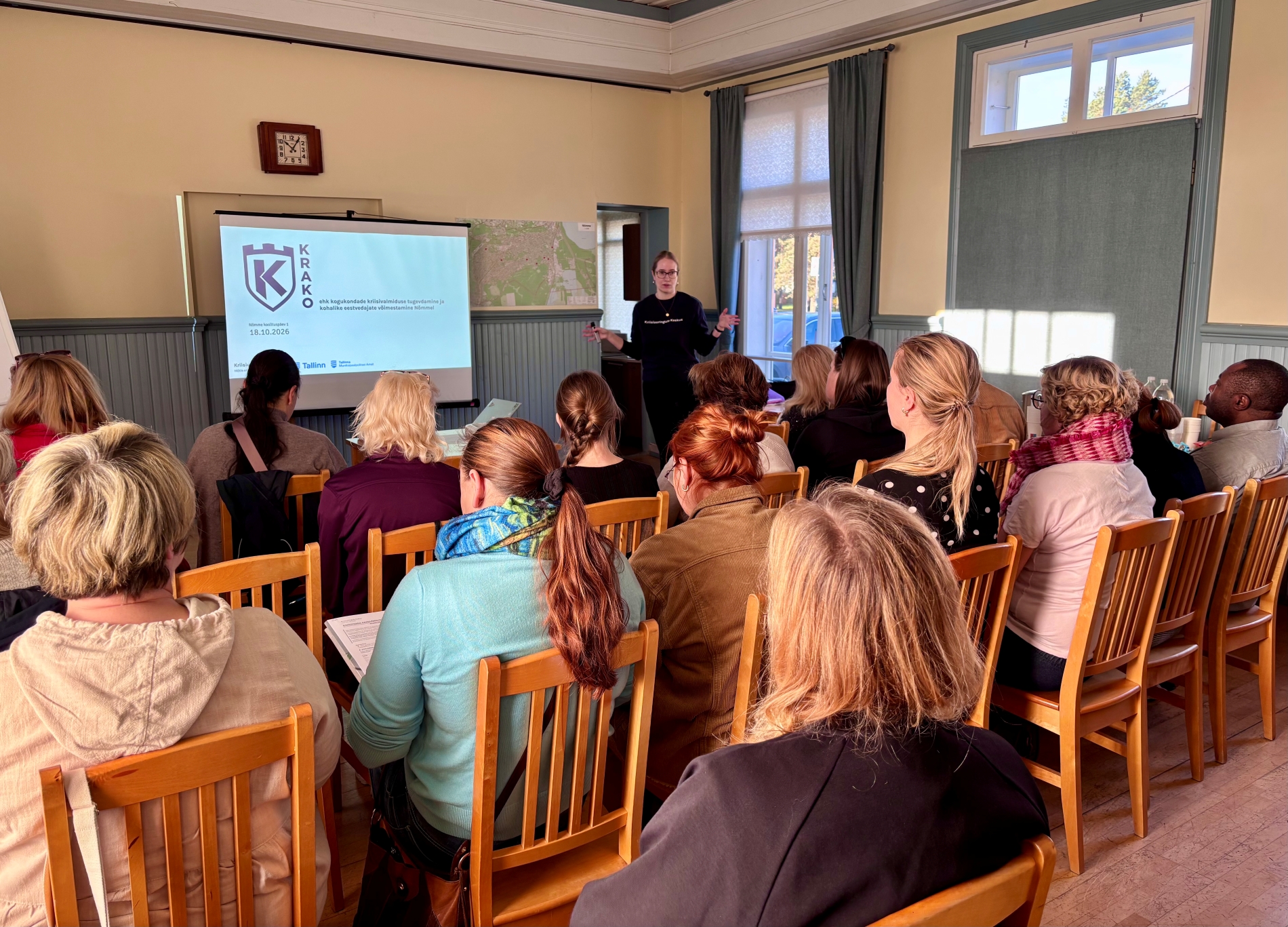
Nõmme’s crisis network prepares 25 volunteers to support the city
Participants have been selected over several months based on their motivation and willingness to serve as community contacts within the crisis network and assist the city when needed. The programme is open exclusively to adult Tallinn residents who want to put their knowledge into practice by volunteering to support their communities and districts.
Participants’ skills and preferred areas of involvement have been mapped across Nõmme’s two groups, and members have begun communicating with one another. This provides a basis for planning cooperation around individual strengths and availability. “The value of building a network becomes clear when people begin to see how their skills complement one another. Nobody needs to know everything or take on every task. In Nõmme, people have already made connections that allow them to seek advice, share responsibilities and prepare to work together,” said Hannes Nagel, Head of the Crisis Research Centre and KRAKO Project Lead.
The city and district administrations have a role in helping this cooperation continue beyond the training programme. Regular contact and joint exercises provide opportunities to clarify volunteers’ roles and give them feedback on their contributions. Tallinn Deputy Mayor Tiit Terik and Gerry Konnov, Head of Nõmme District, also visited the second group’s first training session.
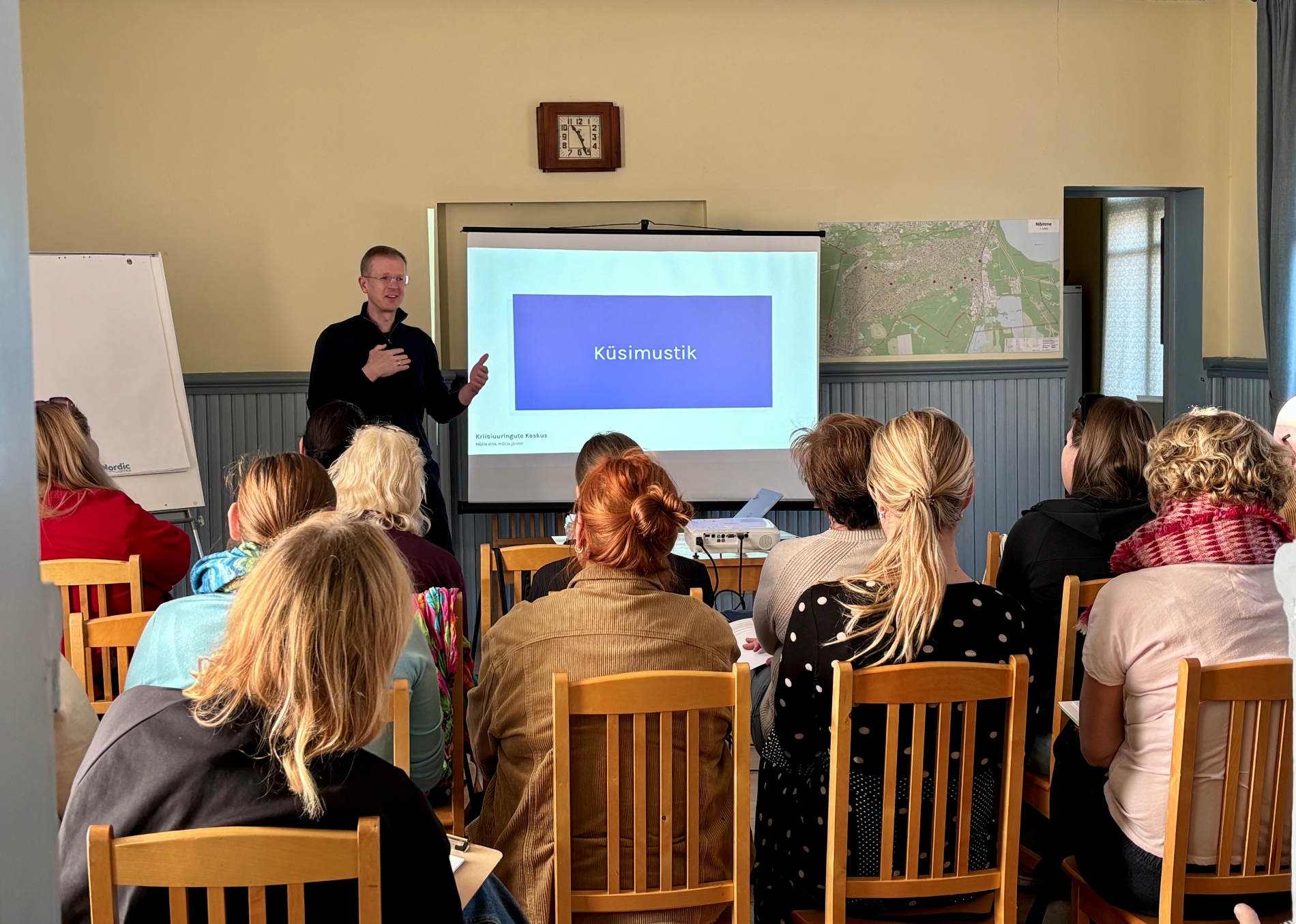
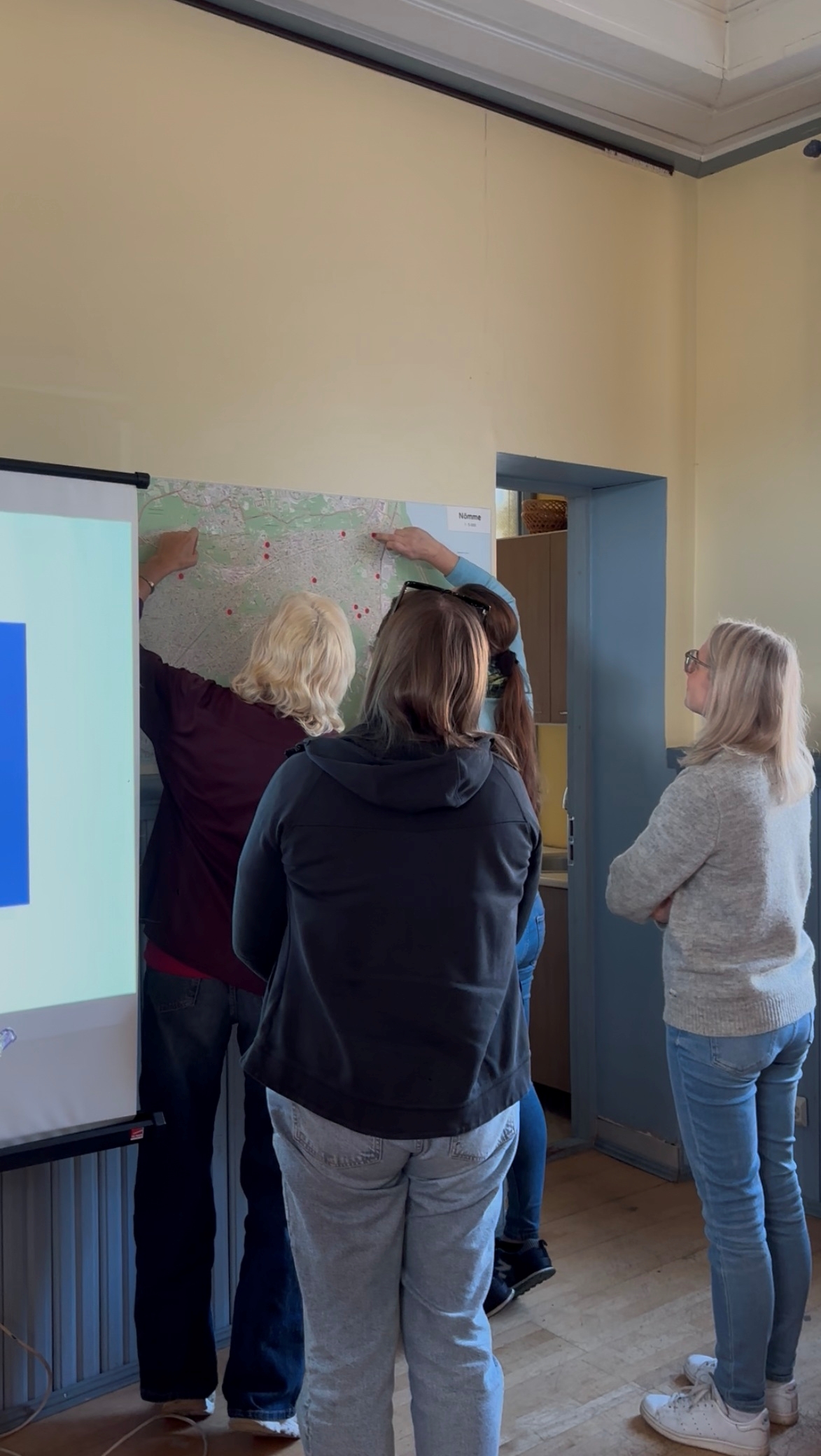
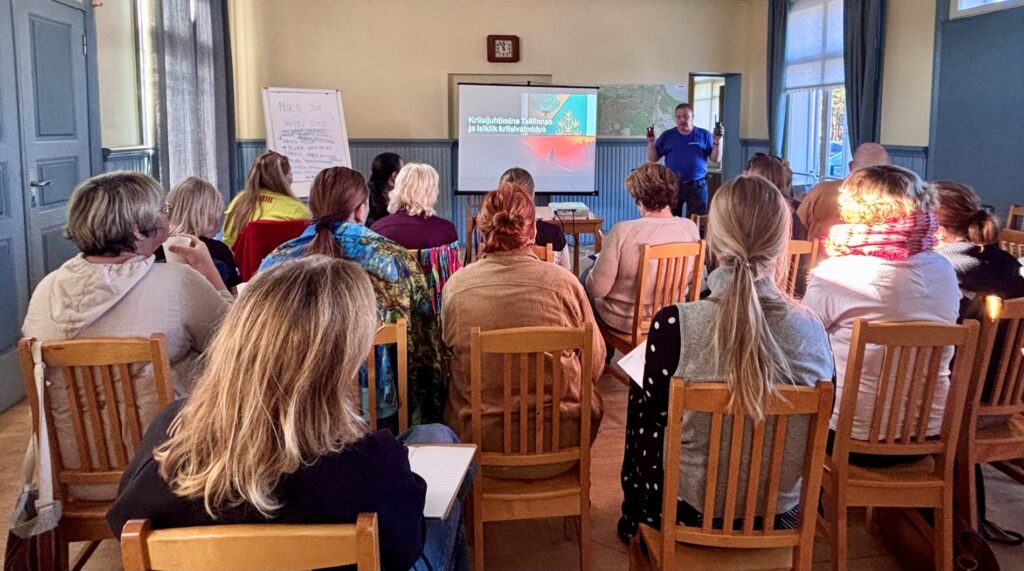
“Knowing that your help is valued and counted on helps sustain motivation. Tallinn can support this by inviting volunteers to take part in exercises and involving them in planning their roles. This gives people a say in the responsibilities they are willing to take on and helps them see how their contribution benefits the district,” Nagel noted.
KRAKO is developing additional capacity for local crisis management through cooperation between trained volunteers and district administrations. It is a unique pilot project, with no equivalent elsewhere in Estonia. “The arrangements for involving volunteers need to be worked out before a crisis: who calls on them, what tasks they carry out and how information is shared. The Nõmme network allows us to develop and test these arrangements for Tallinn. The experience will help strengthen civil protection in the capital and make better use of residents’ willingness to help,” Nagel explained.
KRAKO is a Crisis Research Centre initiative to develop local crisis networks in western Tallinn. This year, the project was also nominated in the “Tallinn Civil Protection Promoter” category of the Tallinn Entrepreneurship Awards. In November, training will focus on networks in Mustamäe District. Mustamäe residents who are willing to act as community contacts and assist their district during a crisis can express their interest in joining the network’s groups until 18 November.
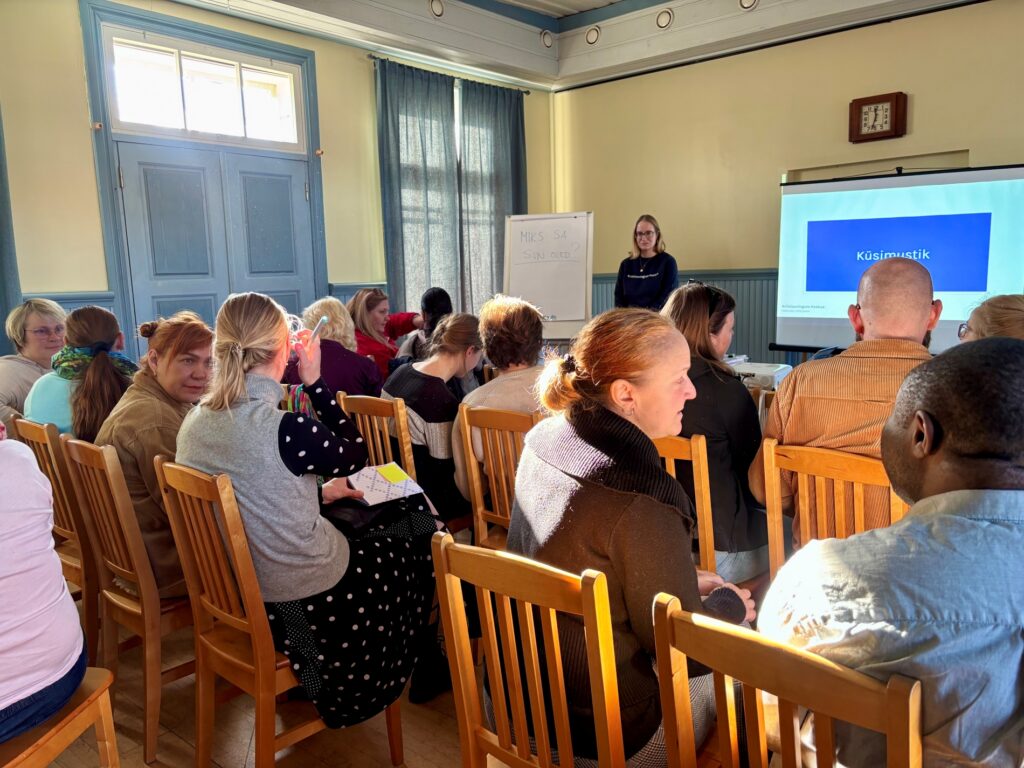
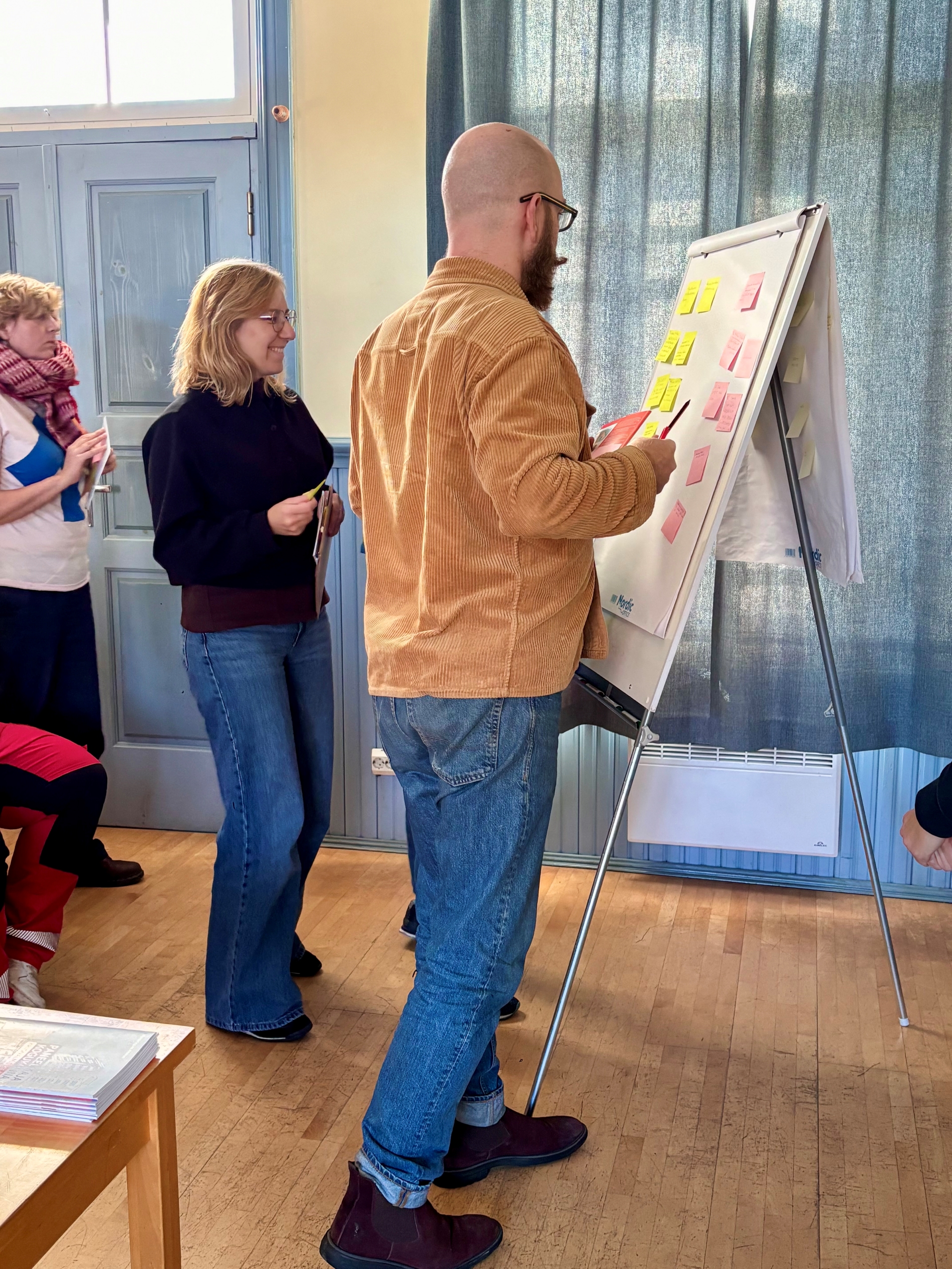
Photos and video: training in Nõmme on 18 October (Crisis Research Centre, 2026).
🔺The use, distribution, modification or publication of the text, videos and images is permitted only with the prior written consent of the NGO Crisis Research Centre. Unauthorised use is prohibited.
Jaga postitust: