
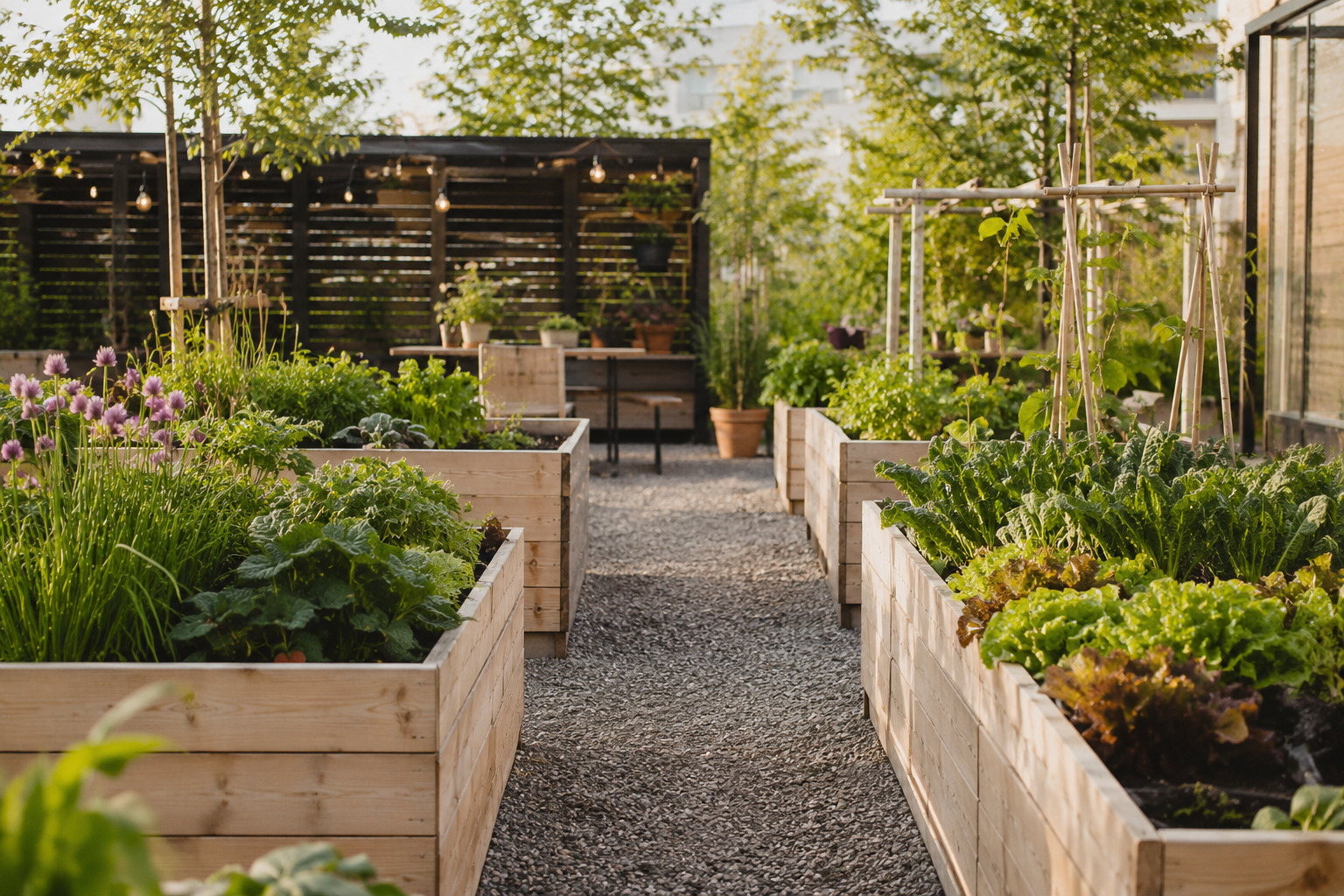
We launched EDENTallinn to strengthen community gardens’ role in food security
On May 1, the Crisis Research Centre launched the EDENTallinn project, focusing on the potential role of community and educational gardens in supporting urban residents’ crisis preparedness, food security and environmental awareness.
The Crisis Research Centre has launched the EDENTallinn (Educational and community gardens for Disaster preparedness, Empowerment and Neighbourhood resilience) project in Tallinn, aiming to bring community and educational garden leaders, urban gardening practitioners, experts and city-level stakeholders into a shared discussion space. The project focuses on the realistic role that community and educational gardens can play in supporting food security, community cooperation and crisis preparedness in urban environments.
The project does not approach urban gardening narrowly as a hobby or environmental activity, but as part of a broader discussion on how urban communities can better understand their dependencies, strengthen cooperation and reflect on the role of everyday environments in crisis situations. “Community gardens cannot replace food supply chains or solve the question of urban food security on their own. However, they can help increase residents’ awareness, practical skills, neighbourhood ties and understanding of where food comes from, as well as what limitations may emerge in a crisis,” said Anne-May Nagel, co-founder of the Crisis Research Centre.
As part of the project, an expert seminar will be held in Tallinn in autumn to discuss the potential role of community and educational gardens in supporting food security and crisis preparedness. The project will also produce a publication that communities and partners can use to introduce the topic further and identify opportunities for cooperation.

EDENTallinn is aimed at Tallinn residents and adult participants and will run from May 1 to 31 October 31, 2026.
The project is co-financed by the City of Tallinn, the Tallinn Urban Environment and Public Works Department, and the NGO Crisis Research Centre.
“EDENTallinn helps us look at community and educational gardens not only as part of green urban space, but also from the perspective of crisis preparedness. For us, it is important to keep the discussion realistic: a community garden is not a magical solution in a crisis, but it can be a place where people learn, meet, share skills and better understand the vulnerability of urban food supply chains,” Nagel explained.
The project is part of the Crisis Research Centre’s broader 2026 programme, which aims to support community crisis preparedness through practical discussions, learning materials and local-level cooperation. Climate change, extreme weather events, supply chain disruptions and the vulnerability of vital services have made it clearer that crisis preparedness needs to be addressed not only through national plans, but also through people’s everyday environments.
“Crisis preparedness often begins with very simple questions: do people know their neighbourhood, are they able to cooperate, do they have practical skills and do they understand what their everyday coping depends on? In this sense, community gardens are a useful space for discussion, as they bring together environmental awareness, food, community and local capacity to act,” added Anne-May Nagel.
Photo: community garden and EDENTallinn project logo (KRUK, 2026).
Jaga postitust: