
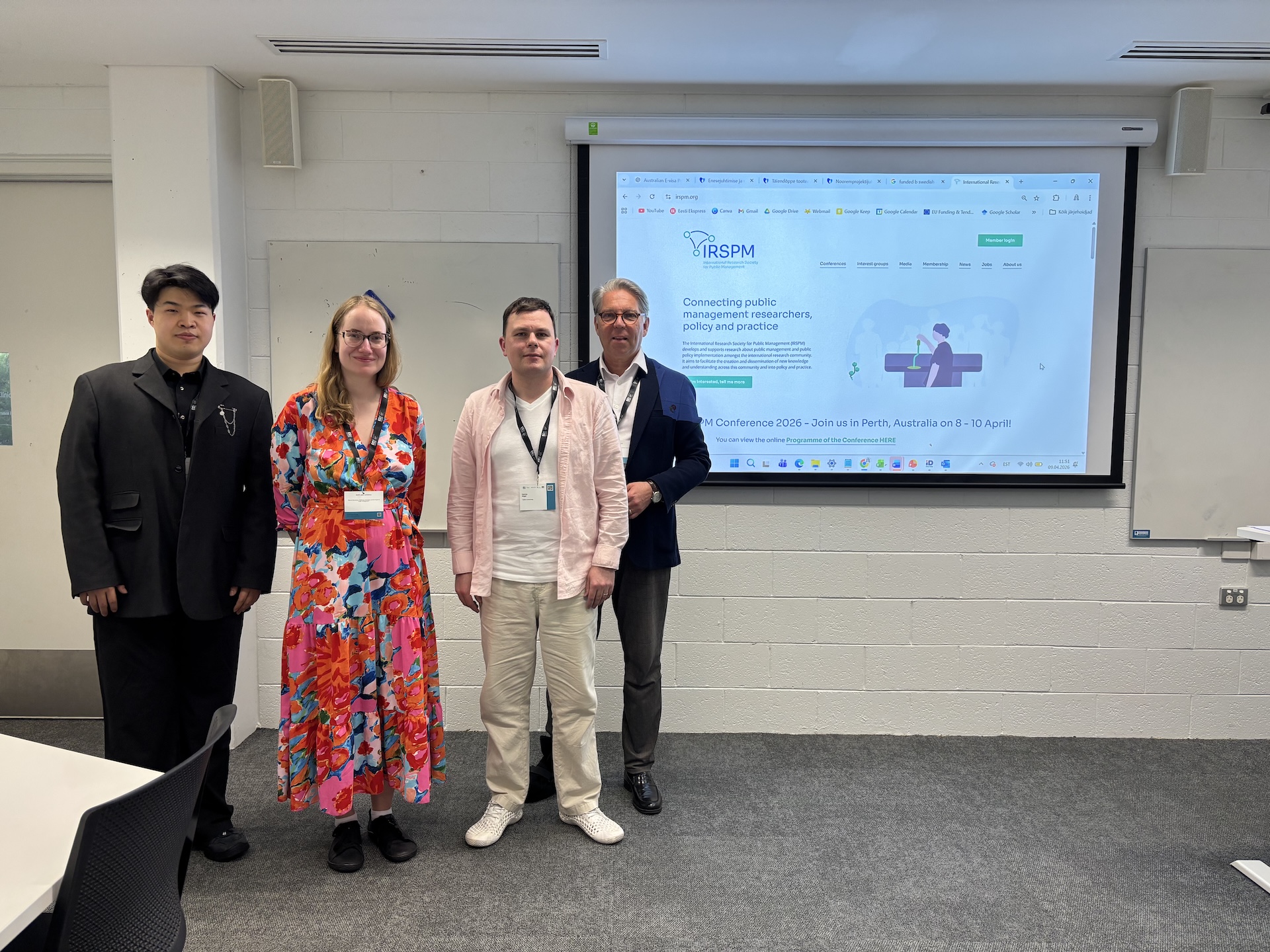
Presented a conference paper at the IRSPM 2026 conference in Australia
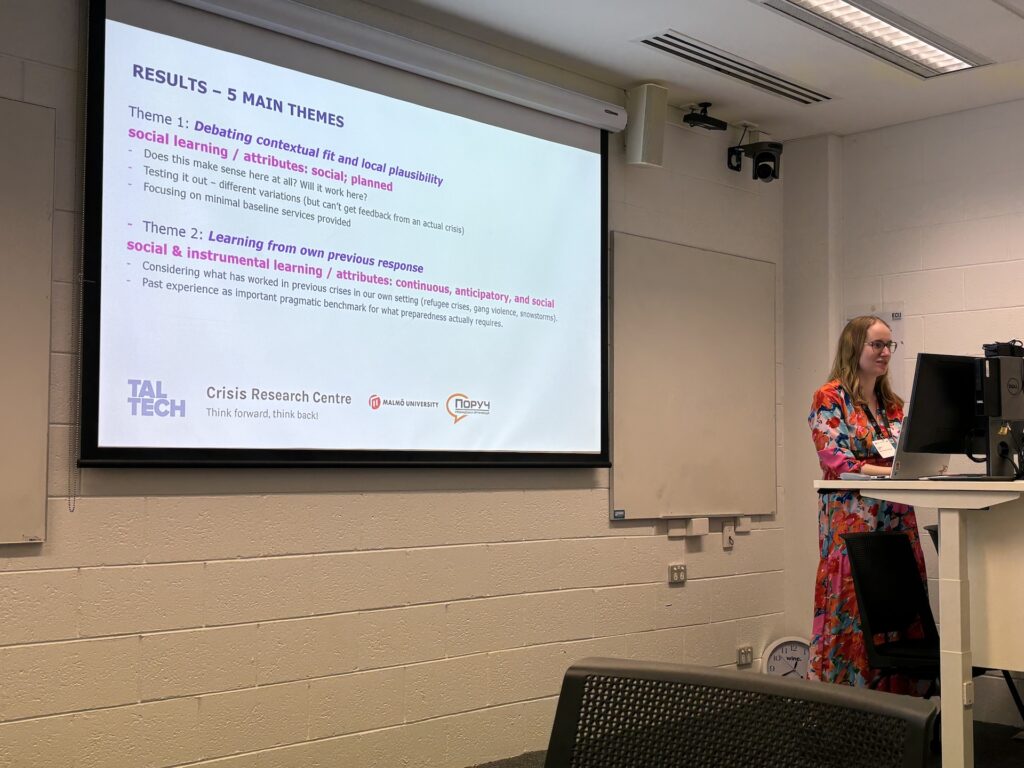
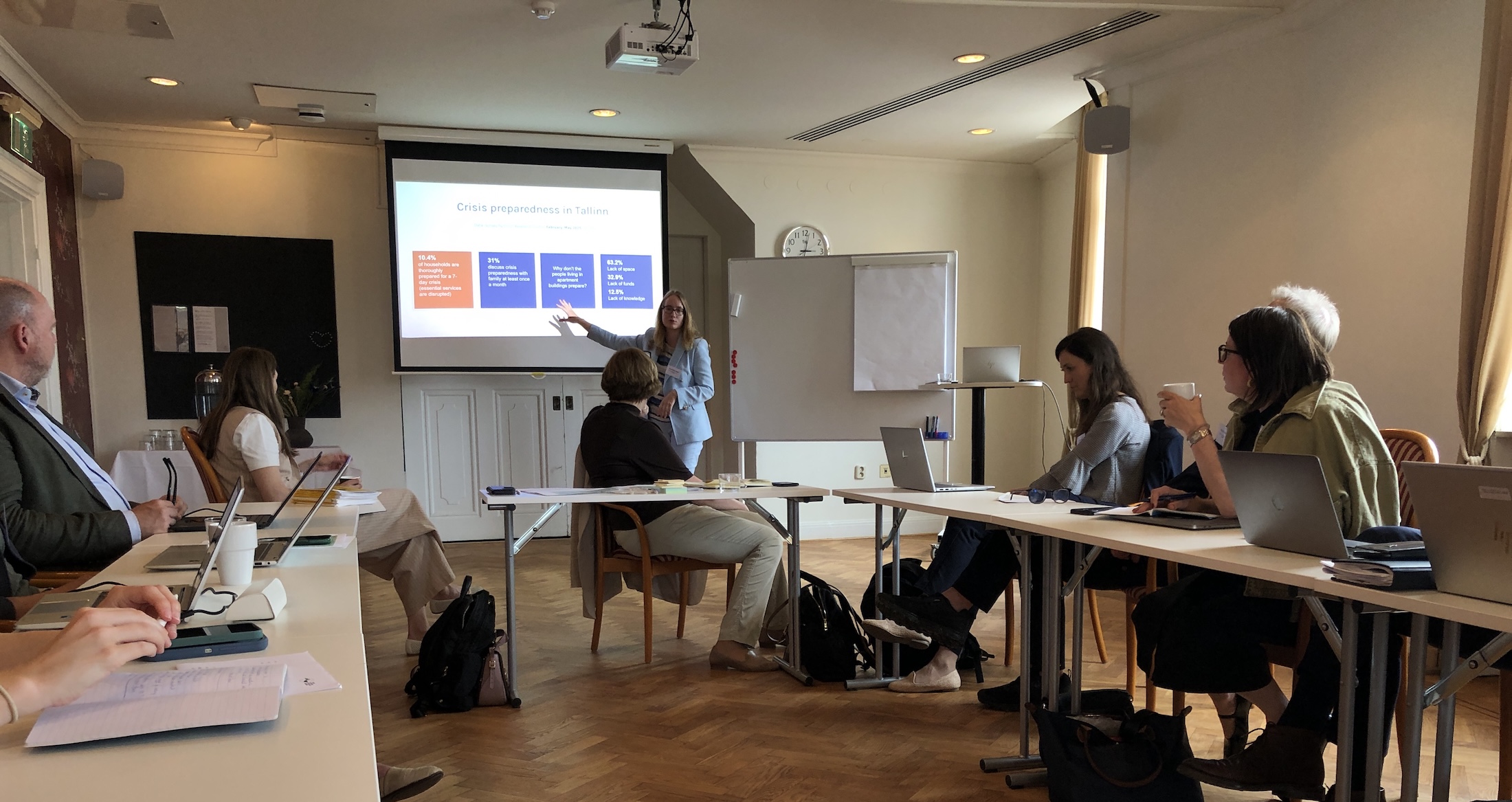
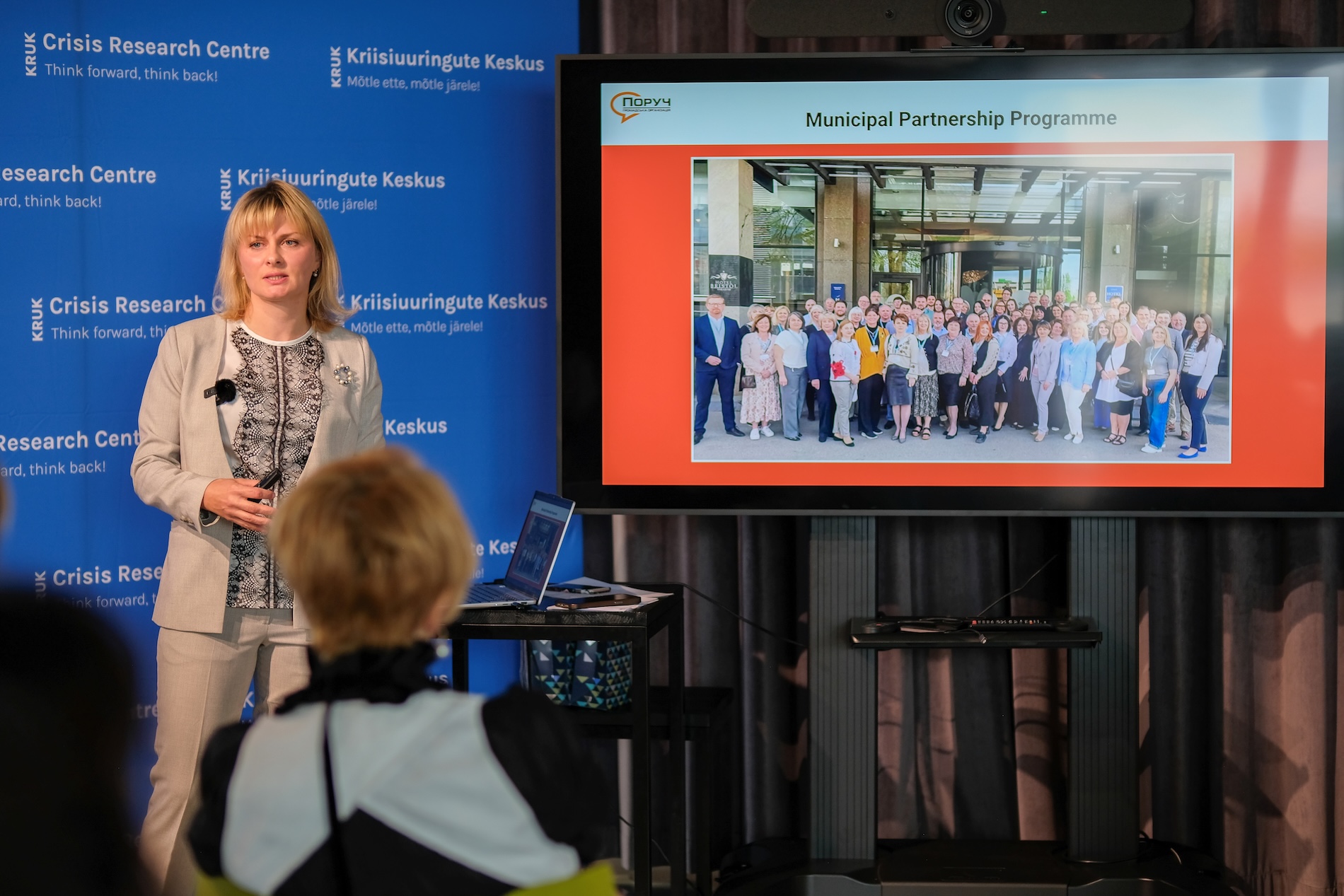
“Learning from Ukraine is very important, but it has remained somewhat unclear how exactly this happens. Previous research shows that a 1:1 transfer from one context to another is not possible, including comparisons of seemingly simple solutions, such as resilience centers. In our research, we found that this has also been the case with learning from Ukraine, that there is no one-to-one transfer and that certain aspects of crisis preparedness are rather emphasized in the development of resilience centers – for example, a great focus is placed on the tangible – the acquisition of generators, for example. However, some other aspects remain in the shadows, such as questions about who will staff the resilience center and keep it open in the long term if necessary,” mentioned Hannes Nagel, the head of the Crisis Research Center and a junior researcher and doctoral student at Tallinn University, who also participated as a speaker.
A research article will also be written about the research that forms the basis of the conference presentation. More on this in the second half of 2026!
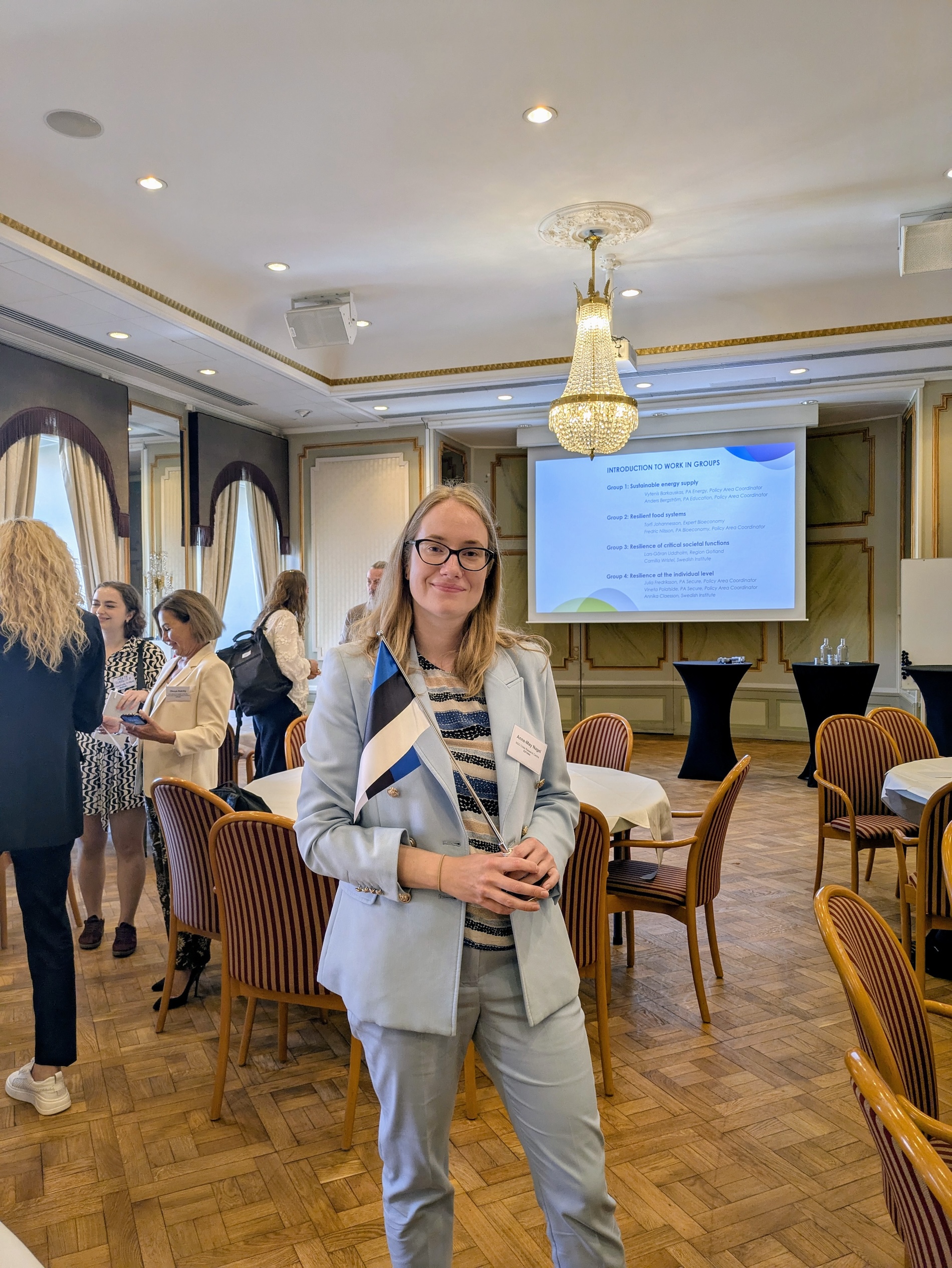
🧡 Anne-May Nagel’s participation in the IRSPM 2026 conference in Perth was supported by the Kristjan Jaak Scholarship Fund for doctoral students, while Hannes Nagel’s participation was supported by Tallinn University. Photos: Crisis Research Center in Perth, Australia (KRUK, 2026).
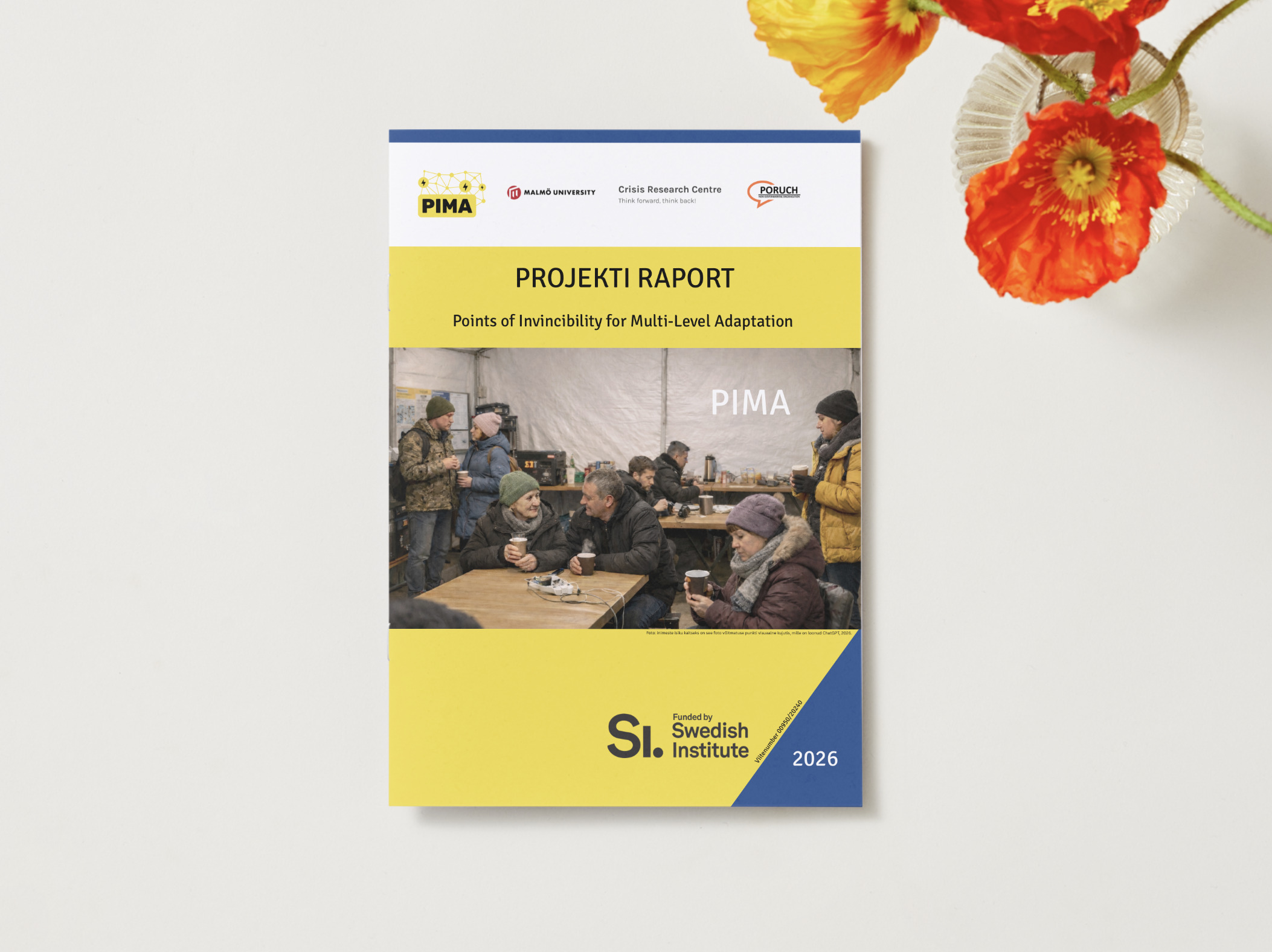
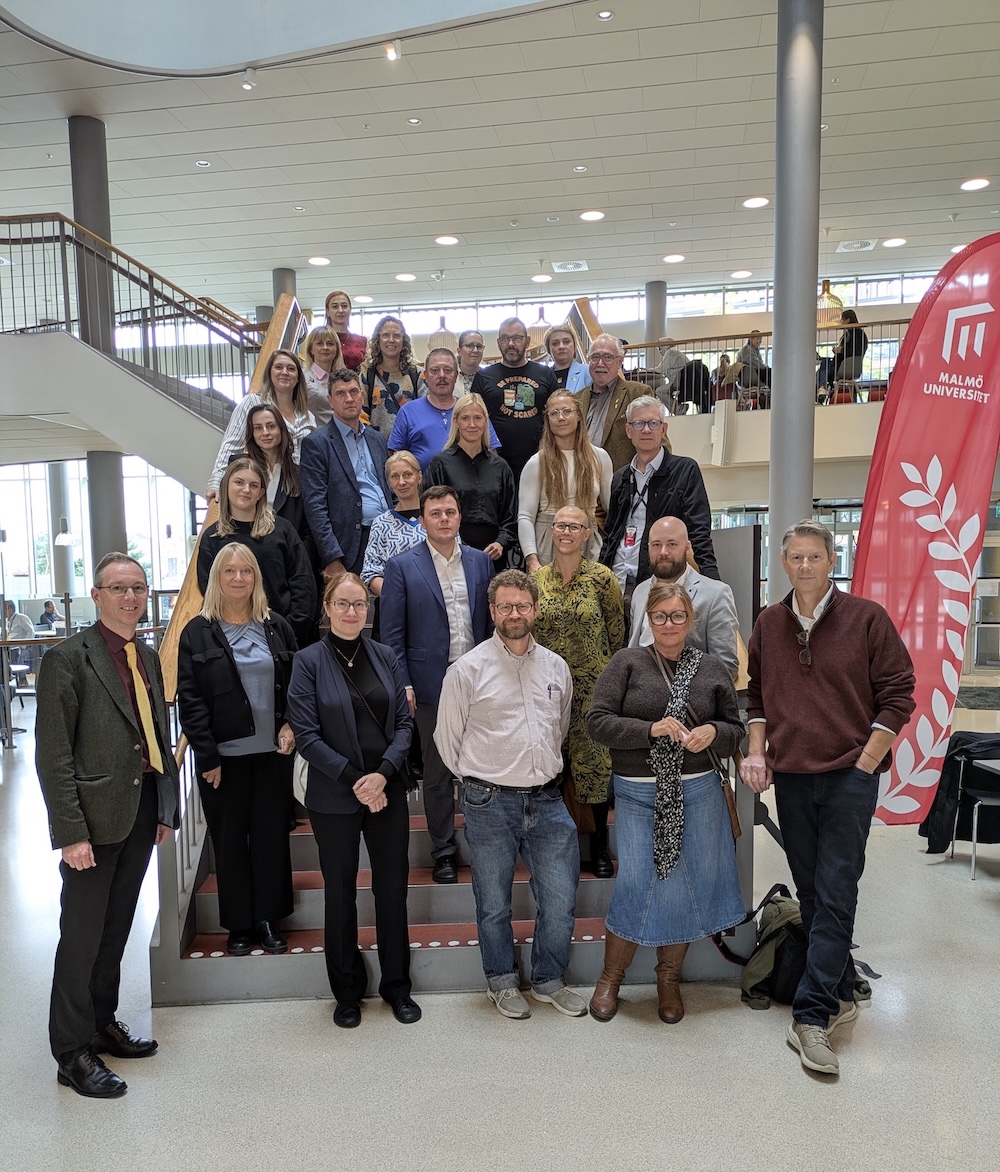
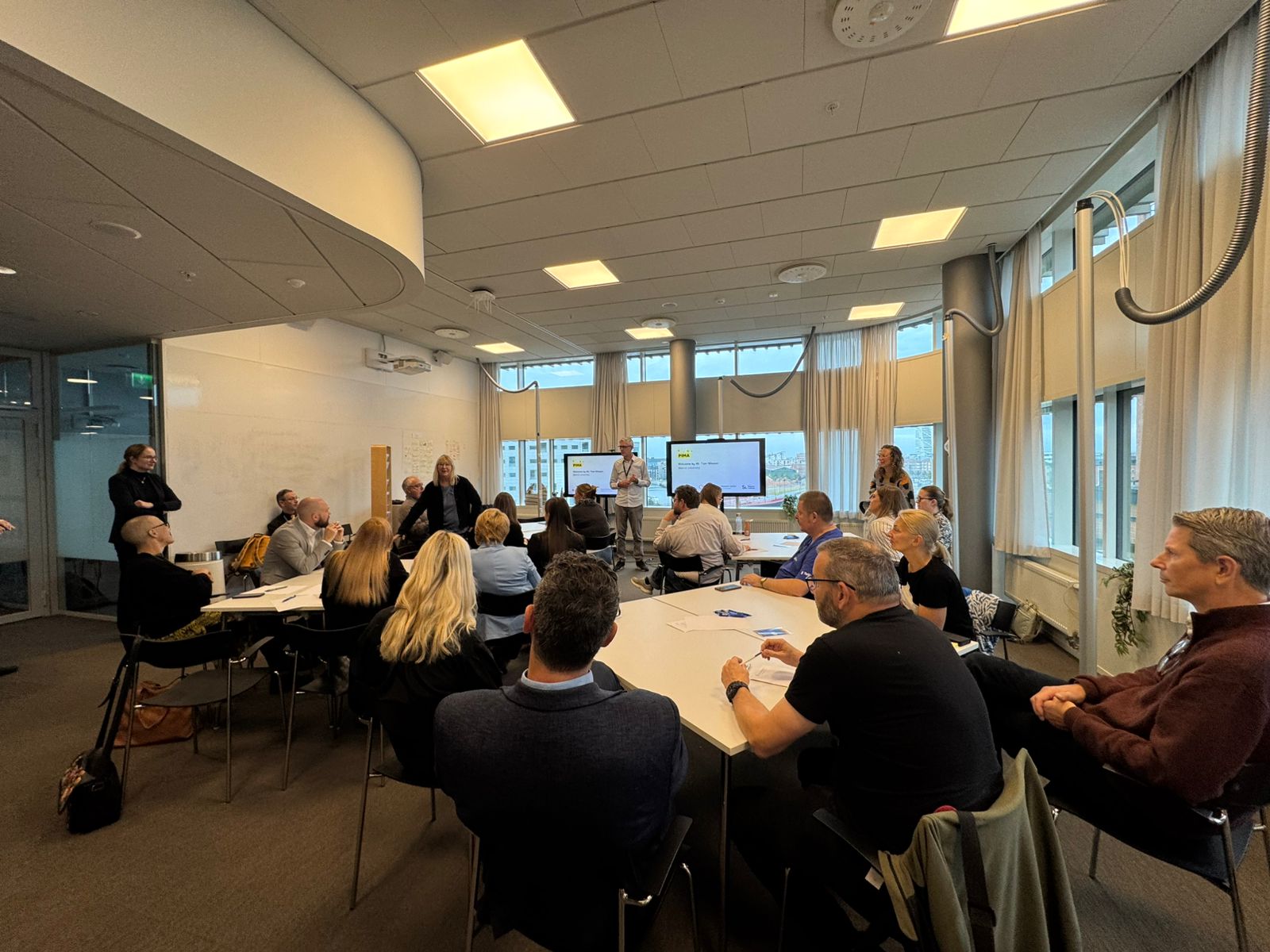
🔸 The PIMA project (Points of Invincibility for Multi-level Adaptation) brought together local-level actors responsible for resilience and preparedness hubs in Estonia, Sweden, and Ukraine to develop a network and a conceptual framework for Points of Invincibility. Through a practical guidance document, the project aims to support municipalities in better understanding the establishment, equipping, and management of such centres. Read more about the project results here.

Jaga postitust: