
CRISIS LENS | Can the Cyprus crisis fit on an envelope?
In the early hours of July 20, 1974, Cyprus turned into a battlefield within a matter of hours (see Video 1 below).A Turkish radio announced the start of the military operation at around five o’clock in the morning. Soon afterwards, low-flying fighter jets were seen north of the Kyrenia Mountains, followed by Turkish paratroopers descending from the sky. At the same time, landing units approached the northern coast from the sea. Within a few hours, it became clear that this was no longer another escalation of tensions between the Greek Cypriot and Turkish Cypriot communities, but a military turning point that marked the beginning of Cyprus’s division and a large-scale refugee crisis.1
The immediate background to the military intervention was the attempted coup in Cyprus five days earlier, backed by the Greek junta (see Video 2 below).B Ankara justified its intervention by referring to its right under the 1960 Treaty of Guarantee to protect Turkish Cypriots, while Greek Cypriots and much of the international community regard it as an invasion. The operation took place in two phases and resulted in Turkey gaining control over approximately one third of the island.1,2 Cyprus was de facto divided into two parts (see Figure 1): the south, controlled by the internationally recognised Republic of Cyprus, and the north, controlled by Turkey. Between the two sides lay the UN-controlled buffer zone, also known as the Green Line.2
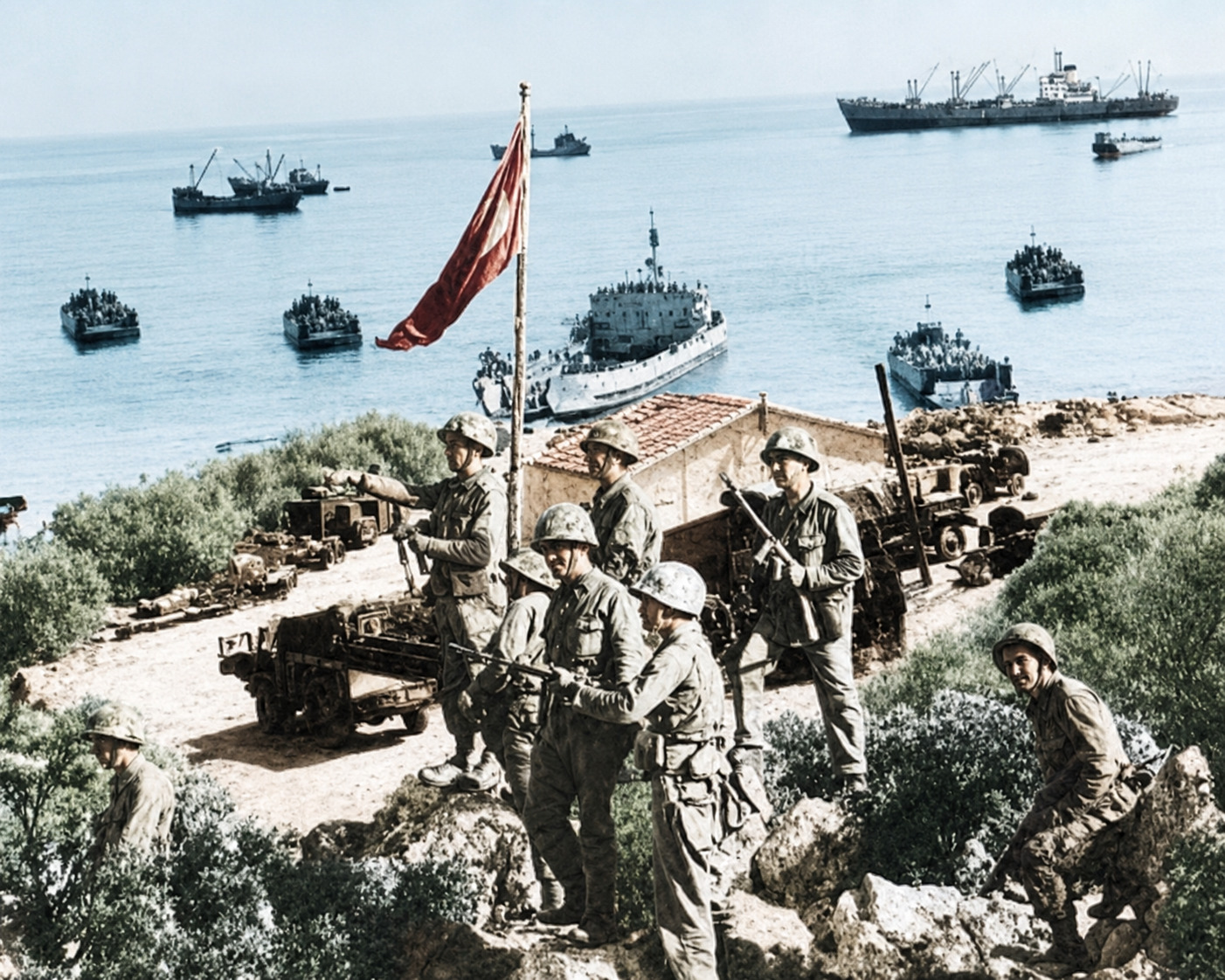
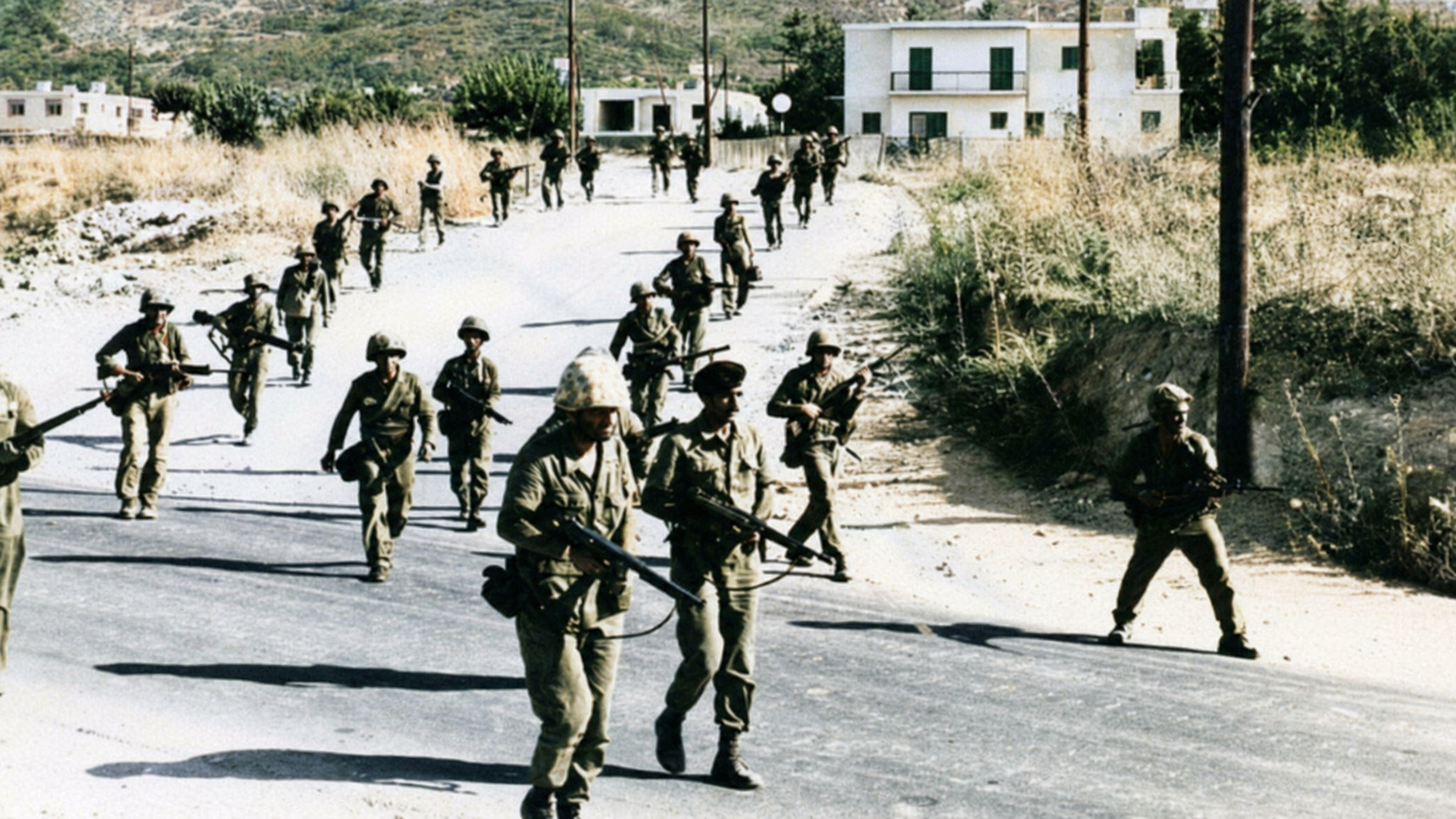
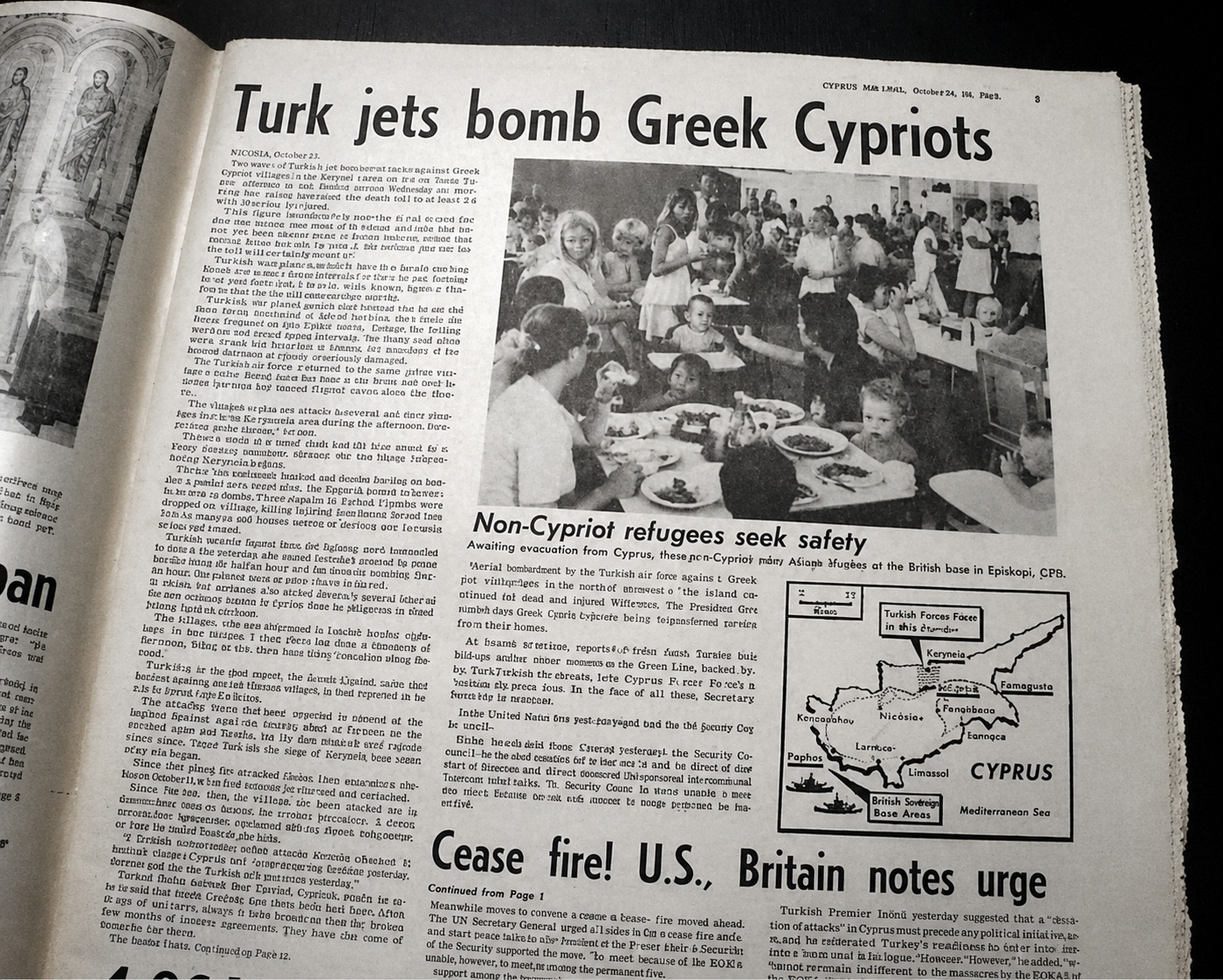
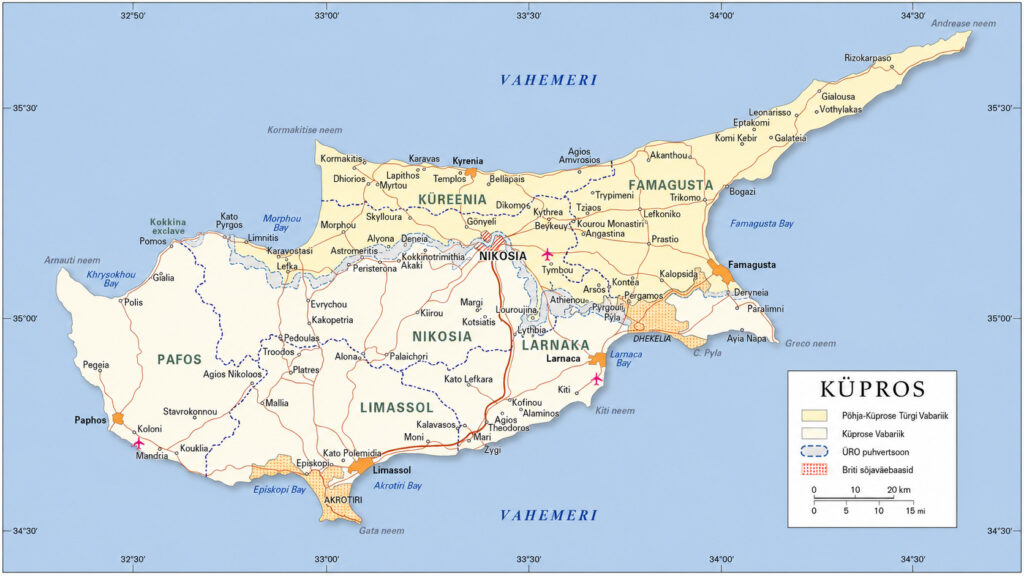
Figure 1: Cyprus after the events of 1974
The Refugee Fund stamp is not an ordinary postage stamp
The Cyprus Refugee Fund Tax Stamp, often referred to in Greek as prosfigosimo,C is not a conventional postage stamp. It does not cover the basic cost of postage, but is added as a mandatory levy to every postal item. The stamp remains in use today, and its purpose is to raise funds to support refugees and the nearly 200,000 people directly affected by the 1974 invasion.3-4
In Cypriot postal history, 1974 became a year of destruction and reorganisation. As a result of the Turkish invasion, the postal system lost a significant part of its network and assets: among other things, 16 Cyprus Post offices were left in the occupied areas. At the same time, the state had to organise assistance for refugees quickly. For this purpose, the Refugee Fund was established, and a 5-mil stamp from 1971 was overprinted with a value of 10 mils. This became the first Refugee Fund Tax Stamp of the Republic of Cyprus.3
The logic was simple: the state needed a small but continuous source of revenue. Postal items became a form of micro-payment in support of refugees, illustrating crisis management at the time in a highly everyday form: not a large one-off aid package, but a solidarity mechanism built into daily life.
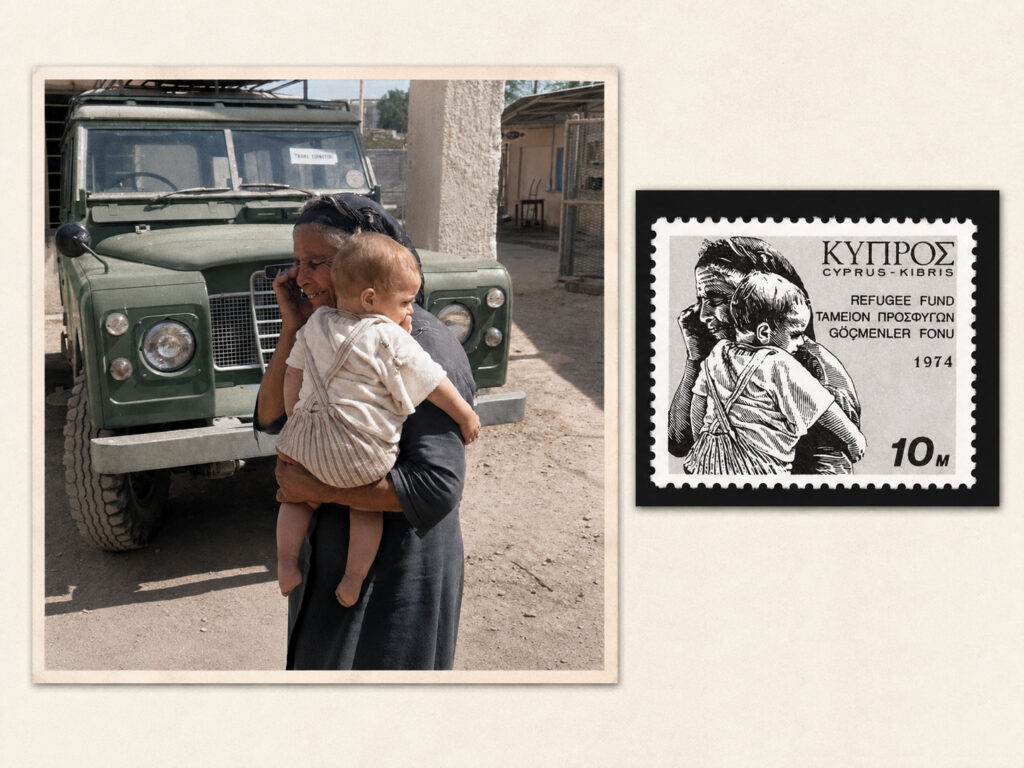
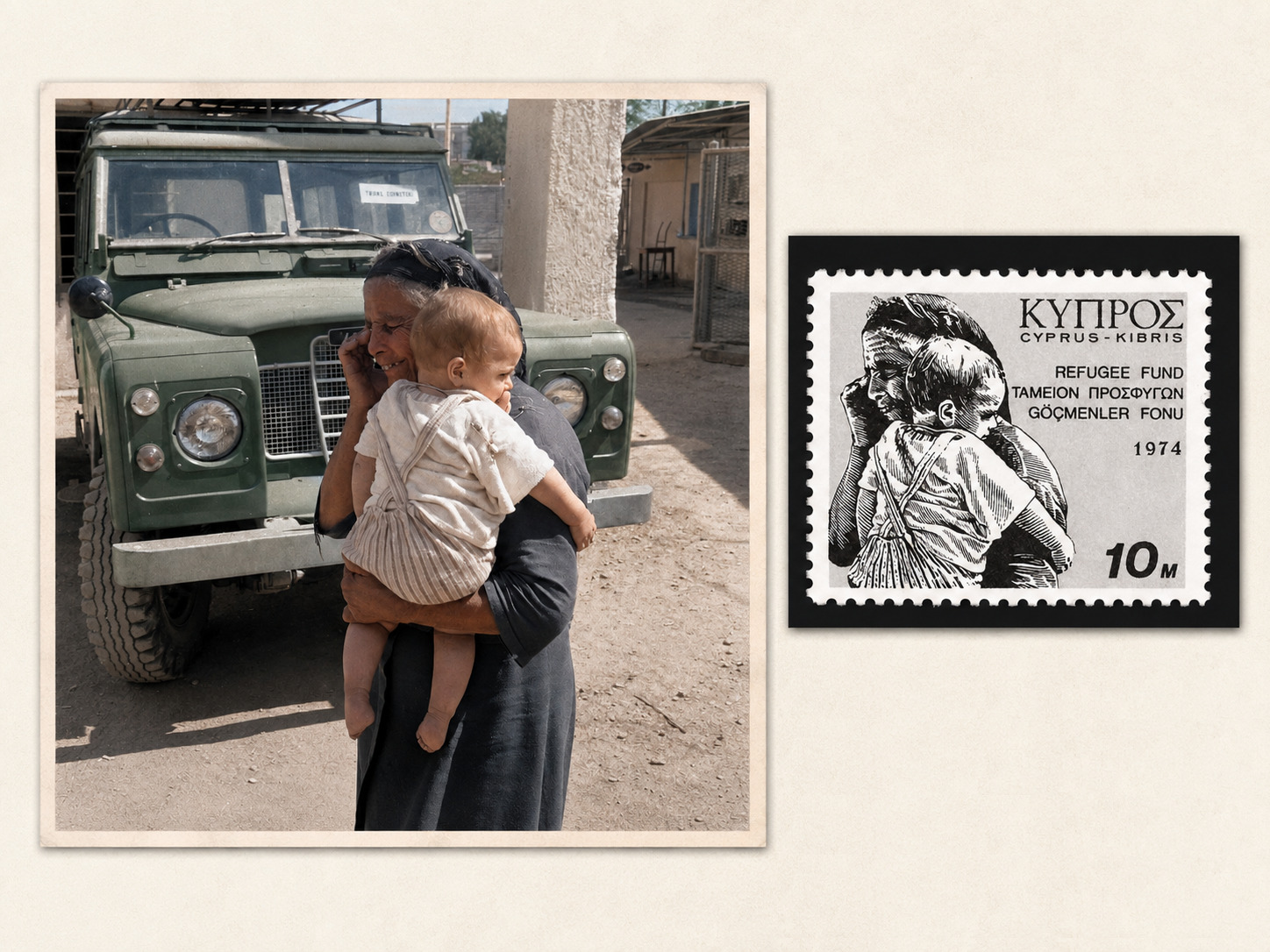
Figure 2: The photograph used for the stamp and MiZ2/1974
Permanent funding for mitigating the effects of the refugee crisis
The idea of the Cyprus Refugee Fund stamp reached the government on 12 September 1974, only 54 days after the start of the invasion. The Council of Ministers approved a proposal to introduce a separate additional postal levy to raise money for the Refugee Fund. The first stamp was issued on 1 October 1974 (see Figure 2). It did not yet feature the child sitting behind barbed wire, which later became iconic, but instead depicted a wooden icon of Saint George.5
The first issue sold out quickly. As early as 2 December 1974, a new stamp was issued (see Figure 3), depicting a mother and child.5 In 1977, the design by which the Refugee Fund stamp is still known today entered circulation: a child sitting in front of barbed wire.3 The woodcut “Cyprus 74” (Κύπρος 74) by the Greek graphic artist and woodcut master Tassos Alevizos (Τάσσος Αλεβίζος) became one of the most visible forms of national memory in Cyprus. The image still passes through hundreds of hands every day, often unnoticed, yet it carries a message of lost homes and the expectation of return.5
This is where the Refugee Fund stamp begins to move from tax to symbol. Its deeper role is to keep the crisis visible even after the immediate shock has faded from public attention. When refugee camps disappear from public space and negotiations stretch on for decades, the stamp remains a quiet reminder: the refugee question has not been resolved.
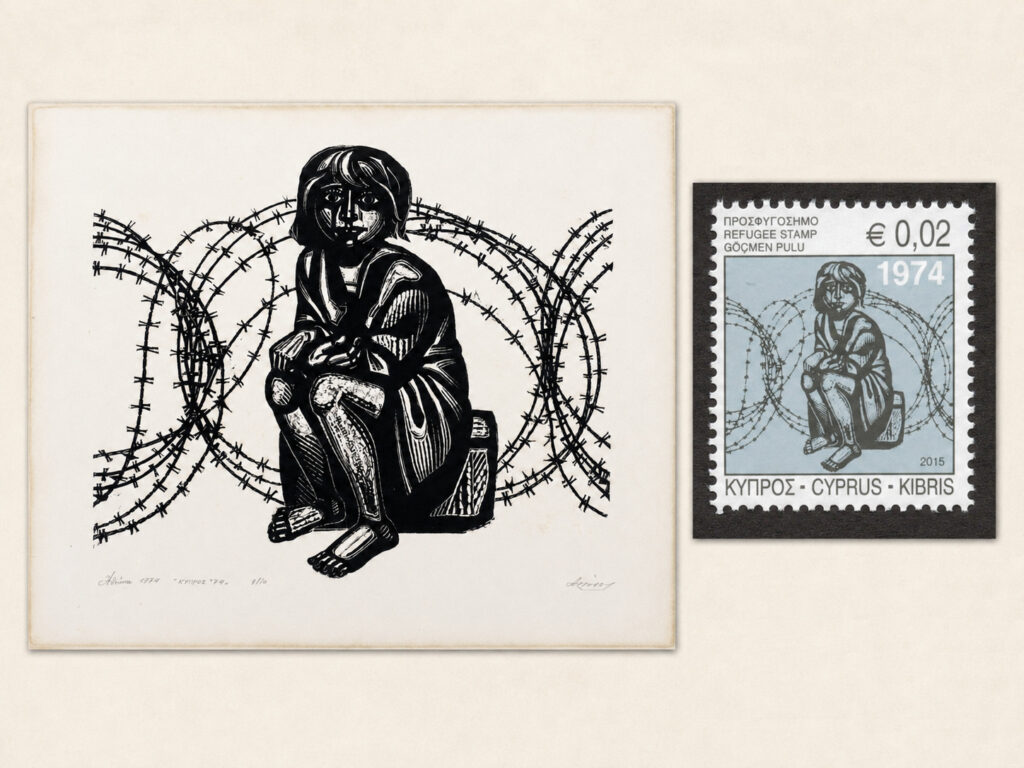
Figure 3: The artwork used for the stamp and MiZ3/1977
From a temporary solution to a permanent measure
The year 1984 became a turning point in the story of the Refugee Fund stamp. After the 1974 overprint, the special issue of December that same year, and the 1977 design, the Refugee Fund stamp began to be issued regularly on an annual basis. At the time, its denomination was one Cypriot cent; after the adoption of the euro in 2008, the denomination became two euro cents (see Figure 4).6,7
This is the political force of a small amount. One cent, later two cents, is almost imperceptible to the individual and precisely for that reason politically durable. For the state, however, it creates a permanent and broad-based funding channel. More important still is its institutional effect: the refugee question remains present not only in speeches and commemorative days, but as a legally embedded routine within a public service.
This raises an important question for crisis management: when does a temporary crisis response become a permanent institution?
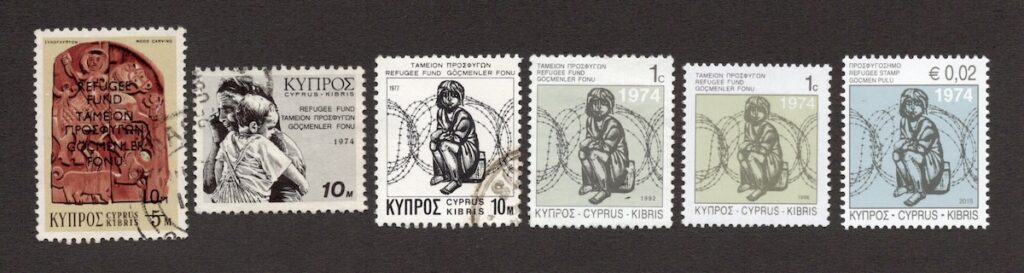
Figure 4: Types I-III of the Cyprus Refugee Fund stamp
Did 1983 make the crisis permanent?
n 1983, the northern part of Cyprus declared itself the “Turkish Republic of Northern Cyprus” (Kuzey Kıbrıs Türk Cumhuriyeti in Turkish). UN Security Council Resolution 541 declared the attempt to create a separate state in northern Cyprus legally invalid and called on all states not to recognise any Cypriot state other than the Republic of Cyprus.8,9 To this day, the quasi-state in northern Cyprus is recognised only by Turkey.
This step changed the crisis’s time horizon. After 1974, the Refugee Fund stamp could be understood as a rapid crisis response to support people who had lost their homes. After the unilateral secession of the north, however, it became increasingly clear that the crisis would not be resolved in the near future. The refugee question was no longer merely an immediate humanitarian consequence of the invasion, but part of a long-term locked political conflict. The declaration of secession in the north therefore helps explain why the Refugee Fund stamp did not remain a temporary levy, but became embedded as a permanent practice.
In this context, the Refugee Fund stamp was no longer an ordinary additional tax. It became a form of institutionalised crisis memory: an everyday sign that the state did not treat the consequences of 1974 as a closed chapter. Every postal item therefore carried the message that this experience belonged not only to history, but also to the sphere of continuing state responsibility.
The Refugee Fund stamp as crisis management infrastructure
The Refugee Fund stamp operates on several levels. First, it is a funding mechanism: every postal item contributes to the Refugee Fund. The price of a single stamp is small, but its effect lies in scale and repetition.3,4 Second, it is an administrative routine. The stamp does not depend on the donor’s emotions or the success of a campaign, but is linked to a specific public service.4
Third, it is a communication tool. The image of a child sitting in front of barbed wire is simple, painful, and politically legible. It requires no lengthy explanation: the refugee question is not an abstract statistic, but a question of losing one’s home.3,5 Fourth, it is a state practice of memory. The stamp makes the refugee question recurring and everyday, preventing society from fully becoming accustomed to the fact that some homes remain inaccessible. In this way, the Refugee Fund stamp becomes a point of contact between crisis management and statehood.
n 2026, the Refugee Fund stamp is still in use and costs 2 euro cents.10-11 Nearly half a century after the invasion, this is where the paradox of two cents lies: financially, it is almost invisible; politically, it is highly visible. Adding the stamp to a letter in Cyprus is a kind of ritual whose message is simple: the refugee question is not the past.
A similar logic also appears in other Cypriot refugee funding mechanisms. For example, in 2022, a 0.4% levy on property transactions entered into force, with the revenue directed towards supporting refugees of the 1974 war and towards a mechanism for the fairer distribution of burdens.12 The current property transaction levy is estimated to generate 20–25 million euros per year.13 In addition, in 2026, the Cypriot parliament also discussed an additional compensation mechanism for the loss of the ability to use property located in the north.
The Refugee Fund stamp therefore belongs to a broader politics of sharing the post-crisis burden. Even decades later, the state is still trying to distribute the costs of war, occupation, and forced displacement across society.
Could the Refugee Fund stamp ever disappear?
The Refugee Fund stamp could disappear if the Cyprus conflict were to reach a political settlement: if the island were reunified, if property and compensation issues were resolved, and if the state decided that a separate refugee fund was no longer needed. There are several reasons, however, why this may not happen immediately. First, the consequences of a crisis do not disappear at the moment a political agreement is signed. Property restitution, compensation, residence and ownership rights, documentation, and the sense of security within communities would likely require a long transition period. For this reason, the Refugee Fund stamp could remain in place even after reunification, although its function might change: from an instrument for assisting refugees into a source of funding for transitional justice or reconciliation.
Second, the stamp has strong symbolic value. Tassos Alevizos’s image of the child is one of the most recognisable visual symbols of Cyprus’s recent history. Removing such a symbol could be politically sensitive, as parts of society might interpret it as forgetting the crisis or diminishing the experience of the victims. Third, the stamp could remain even if its fiscal role declines. The mandatory additional levy could disappear, while the Refugee Fund stamp could continue as an annual commemorative issue. In that case, it would move from the infrastructure of crisis management into the sphere of cultural memory.
The most likely scenario, therefore, is not an abrupt end, but a change in function. As long as the Cyprus problem remains unresolved, the disappearance of the Refugee Fund stamp is unlikely. If a settlement is ever reached, the stamp may either disappear as a symbol of a crisis that has ended or remain as a warning that the consequences of state rupture last longer than the war itself.
Cyprus teaches the long view of crisis management
Civil protection is not only a matter of shelters, sirens, continuity of services, crisis supplies, and the like. After a major crisis, another question always emerges: how can mechanisms be created that keep those affected visible even after public attention fades?
The example of Cyprus highlights three broader lessons. After a prolonged crisis, there needs to be a funding logic that does not depend solely on donations or projects. Society needs a symbol that keeps the experience of those affected visible. And that symbol must be connected to routine, because repeated everyday actions sustain public attention longer than a single campaign or commemorative day.
This also raises a question for Estonia: in the case of a future long-term crisis, could a calibrated small levy work here as a way of linking funding, solidarity, and social memory? Or does such a solution belong to an era when the relationship between the state and the citizen still passed through envelopes and stamps? In a digital state, the postage stamp may no longer be the right medium, but the Cypriot example points to a broader principle. The issue is not only funding, but also how to keep the consequences of a prolonged crisis publicly visible.
Cyprus’s two-cent stamp shows that crisis management can be both material and moral. It does not resolve the conflict or bring refugees back home, but it keeps the consequences of war present in public space and affirms that the loss of home is not an administratively closed file for the state. In this sense, the Cyprus Refugee Fund stamp is one of the smallest yet most telling instruments of crisis management in Europe. It fits in the corner of an envelope, but carries the story of an entire divided island.
Images: the historical photographs have been restored and colourised using artificial intelligence (Μεταρρύθμιση, 2025 / Crisis Research Centre, 2026).
🔺The use, distribution, modification, or publication of the text and figures is permitted only with the prior written agreement of NGO Crisis Research Centre; unauthorised use is not permitted.
Video 1: The invasion by Turkish forces
Video 2: The coup attempt in Cyprus
Remarks
Sources
2 [Anon.], 2025. Events in the Summer of 1974. About the buffer zone.United Nations Peacekeeping Force in Cyprus.
Jaga postitust: