
New Research Examines Crisis Management in Response to the Heavy Fuel Oil Spill Affecting Western Estonia’s Islands
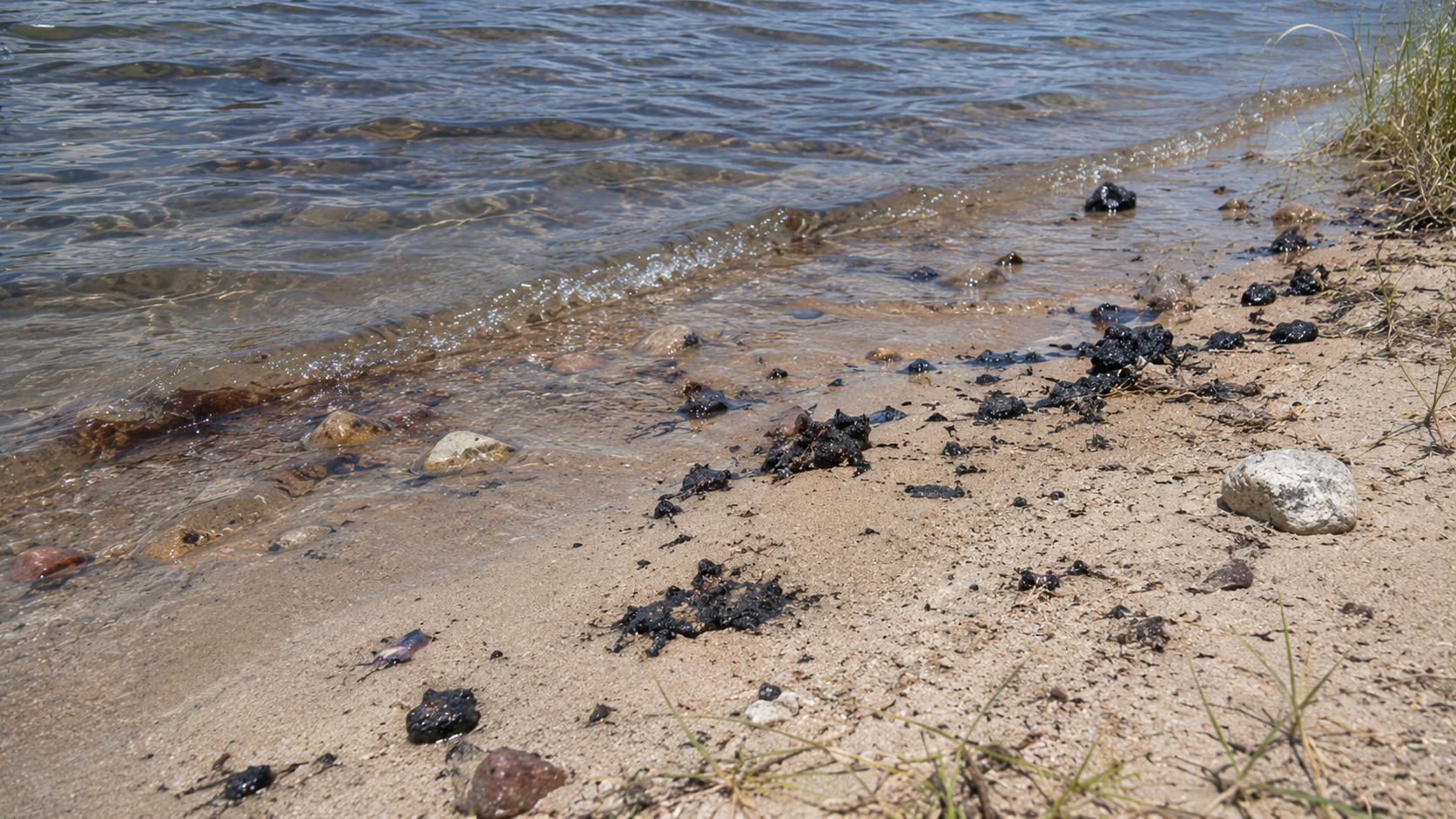
The heavy fuel oil pollution discovered along the shores of western Estonia’s islands in spring spread to Vormsi, Hiiumaa and the islets off Haapsalu. “This was one of the most serious environmental pollution crises in the recent history of Hiiumaa, and perhaps of western Estonia as a whole. Resolving it was only possible through cooperation between multiple stakeholders. Now that the crisis is over, we need to analyse the crisis management processes employed to ensure a more effective response to similar situations in the future,” said Hergo Tasuja, Mayor of Hiiumaa Municipality. “Learning from what happened is essential. The findings and recommendations of the study will enable us to make informed decisions to strengthen the municipality’s crisis management capacity,” he added.
Vormsi Municipality, for which the heavy fuel oil spill also presented a significant challenge, has joined the study. “The quality of crisis management is fundamental to minimising the adverse consequences of crises. The clean-up operation provided valuable lessons, and we are participating in this study to improve our ability to respond to similar or other types of crises in the future,” said Maris Jõgeva, Mayor of Vormsi Municipality.
The study conducted by the Crisis Research Centre focuses on the factors that influenced crisis management at the municipal level. “A growing number of Estonian municipalities are engaging in post-crisis reflection and analysis. This is essential for learning from past events and improving crisis response processes,” said Hannes Nagel, Head of the Crisis Research Centre and Junior Research Fellow at Tallinn University. “The study seeks to identify the factors that either facilitated or hindered crisis management processes. The findings of the analysis are expected to be available by April 2023.”
🔺The use, distribution, modification or publication of text, video and images is permitted only with the prior written consent of the NGO Crisis Research Centre. Any unauthorised use is strictly prohibited.

Jaga postitust: