KRAKO | Mustamäe’s Crisis Network Gains 36 New Members
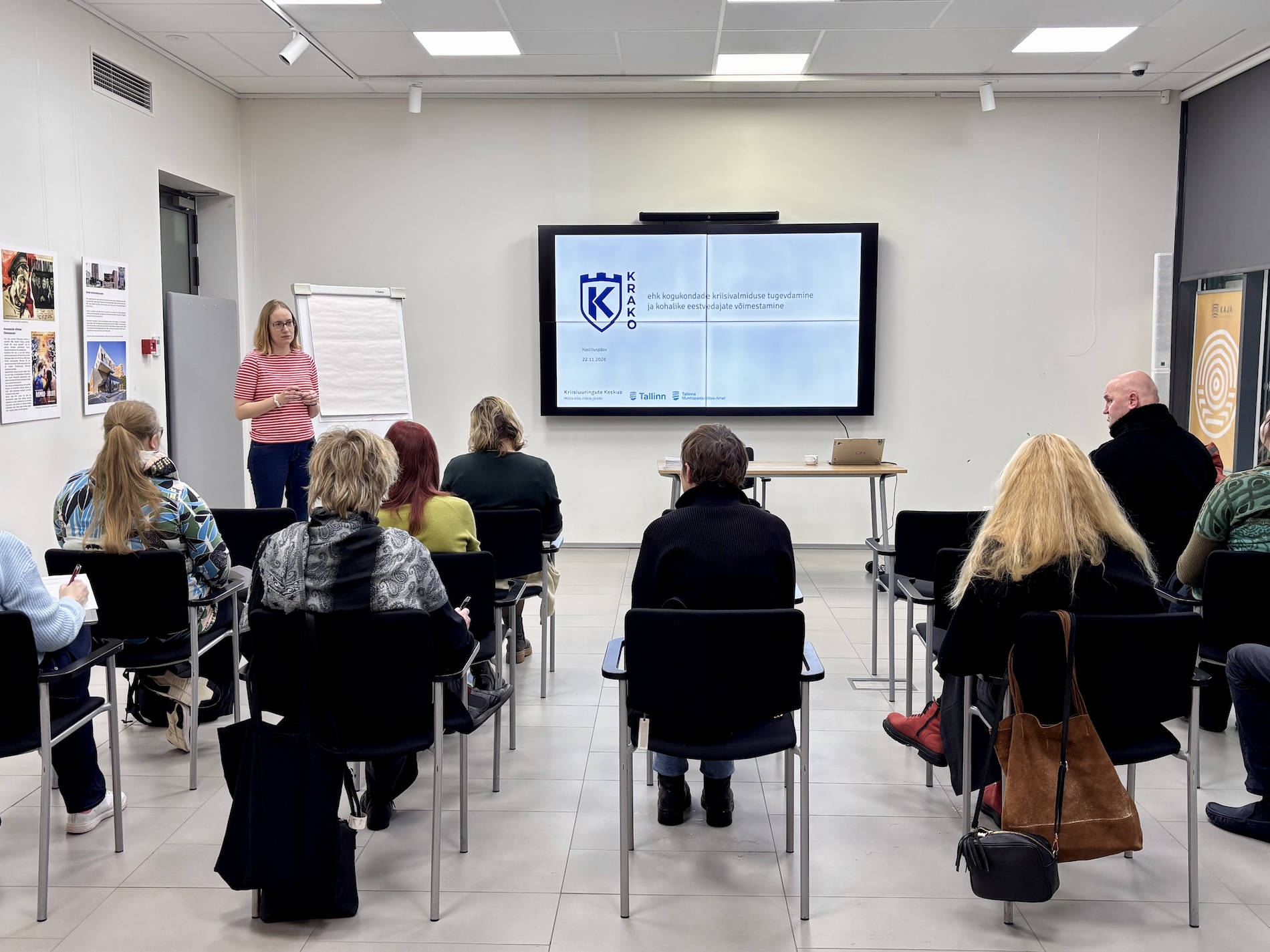
Participants in the three Mustamäe groups learnt about crisis preparedness and civil protection, gained practical skills and got to know other volunteers in their area. In doing so, the Crisis Research Centre established Mustamäe’s first community crisis network of its kind, giving the district administration and the Tallinn Municipal Police Department a group of volunteers with whom they can plan future work.
“Mustamäe has nearly 70,000 residents, yet it has no dedicated officer to co-ordinate and develop crisis preparedness across the district. We believe the district urgently needs someone in that role to stay in regular contact with volunteers, agree what tasks they can take on and organise joint exercises,” said Hannes Nagel, Head of the Crisis Research Centre and KRAKO Project Manager.
Participants specifically asked to spend more time discussing sheltering. They considered how much protection existing basements in Mustamäe’s prefabricated blocks of flats could provide, how much that protection could be improved by adapting the space, and what public shelter options were available to residents whose building had no suitable space or whose apartment owners’ association concluded that one could not be created. Participants acknowledged that such a conclusion could be realistic. They also pointed out that the law allows an association to take no action if it chooses to do so.
“Mustamäe residents say quite plainly that they would not feel safe sheltering in the basement of their block of flats. They have good reason to question how much protection it would offer. City funding can help make a basement usable, but refurbishment cannot change the structure of a prefabricated block built during the Soviet occupation. Even after refurbishment, the basement remains a makeshift place to shelter. Requiring shelters in new buildings leaves unanswered the question of where residents of older blocks should go when danger strikes. If the state leaves it to apartment owners’ associations to solve that problem, it is making a deliberate policy choice that deepens inequalities in who can access protection. People’s ability to protect their lives must never depend on their address or how much money their association has. Passing that responsibility on to residents is indefensible,” said Nagel.
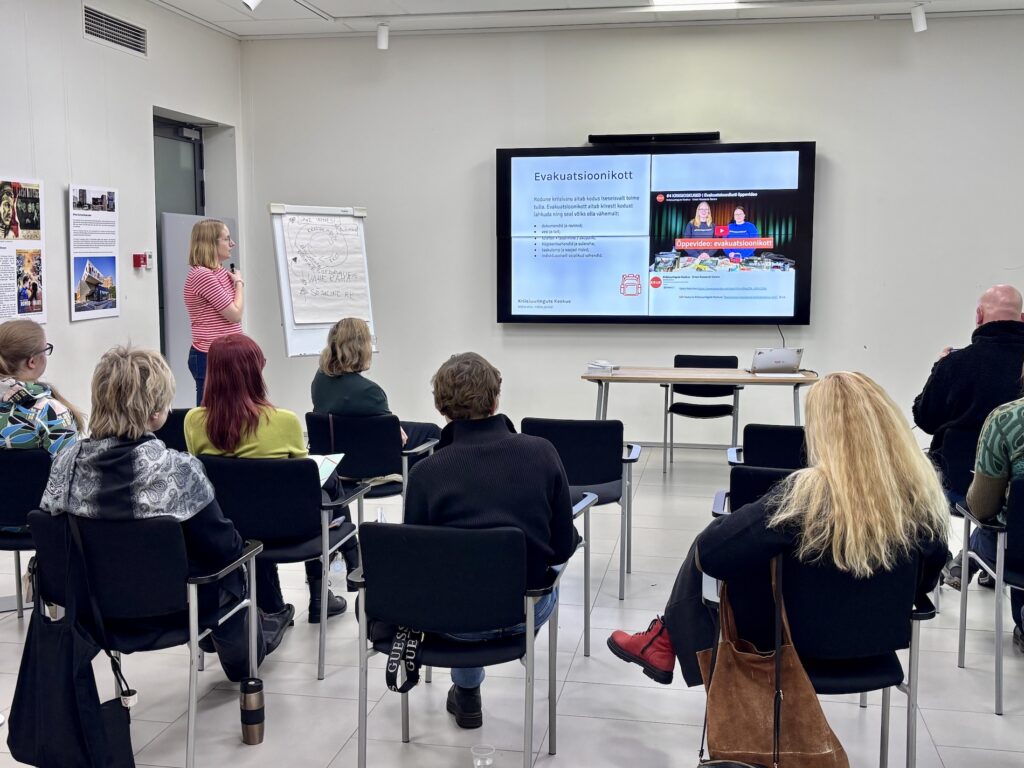
Nearly 97% of participants in Mustamäe found the training useful overall.
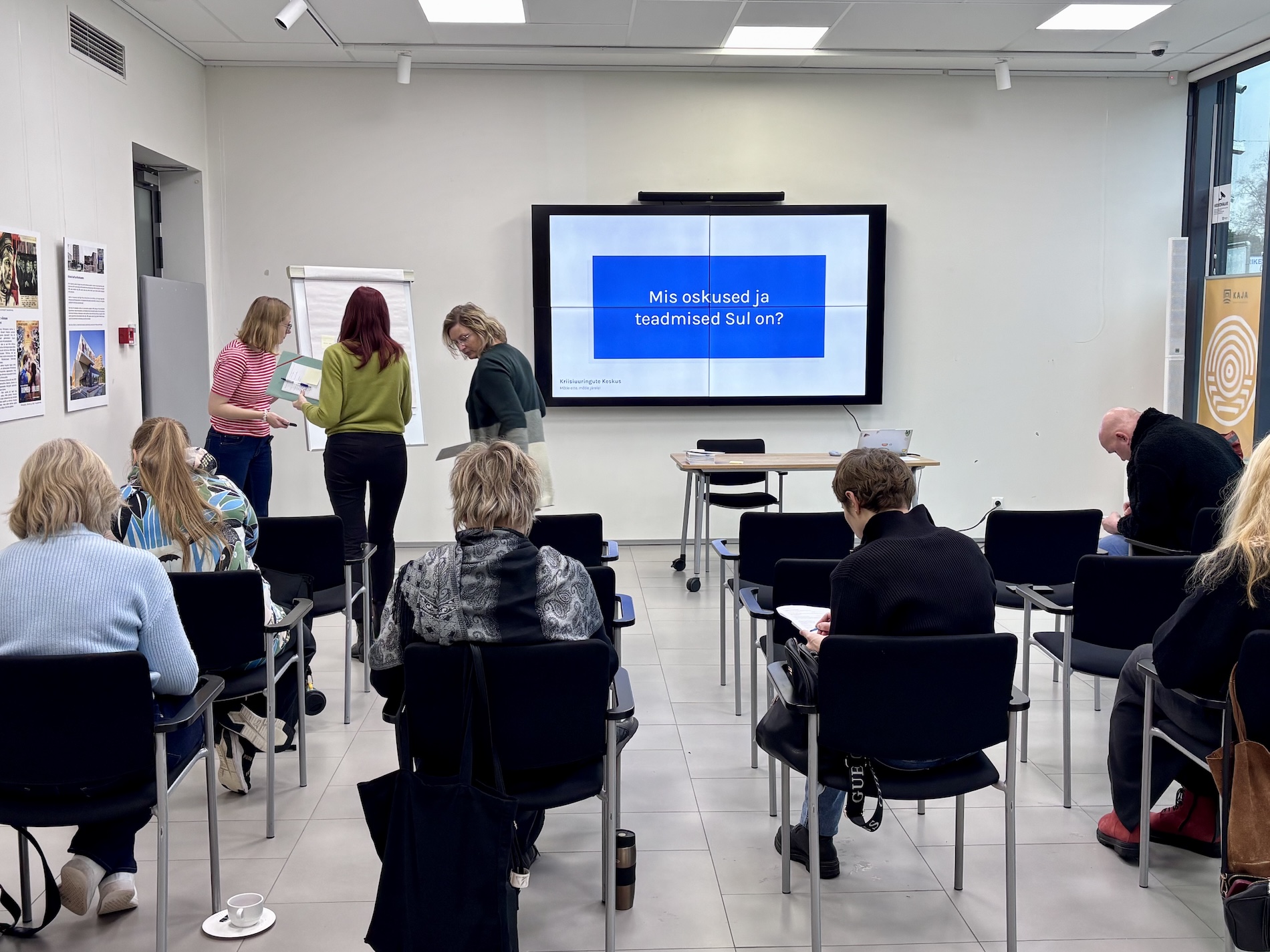
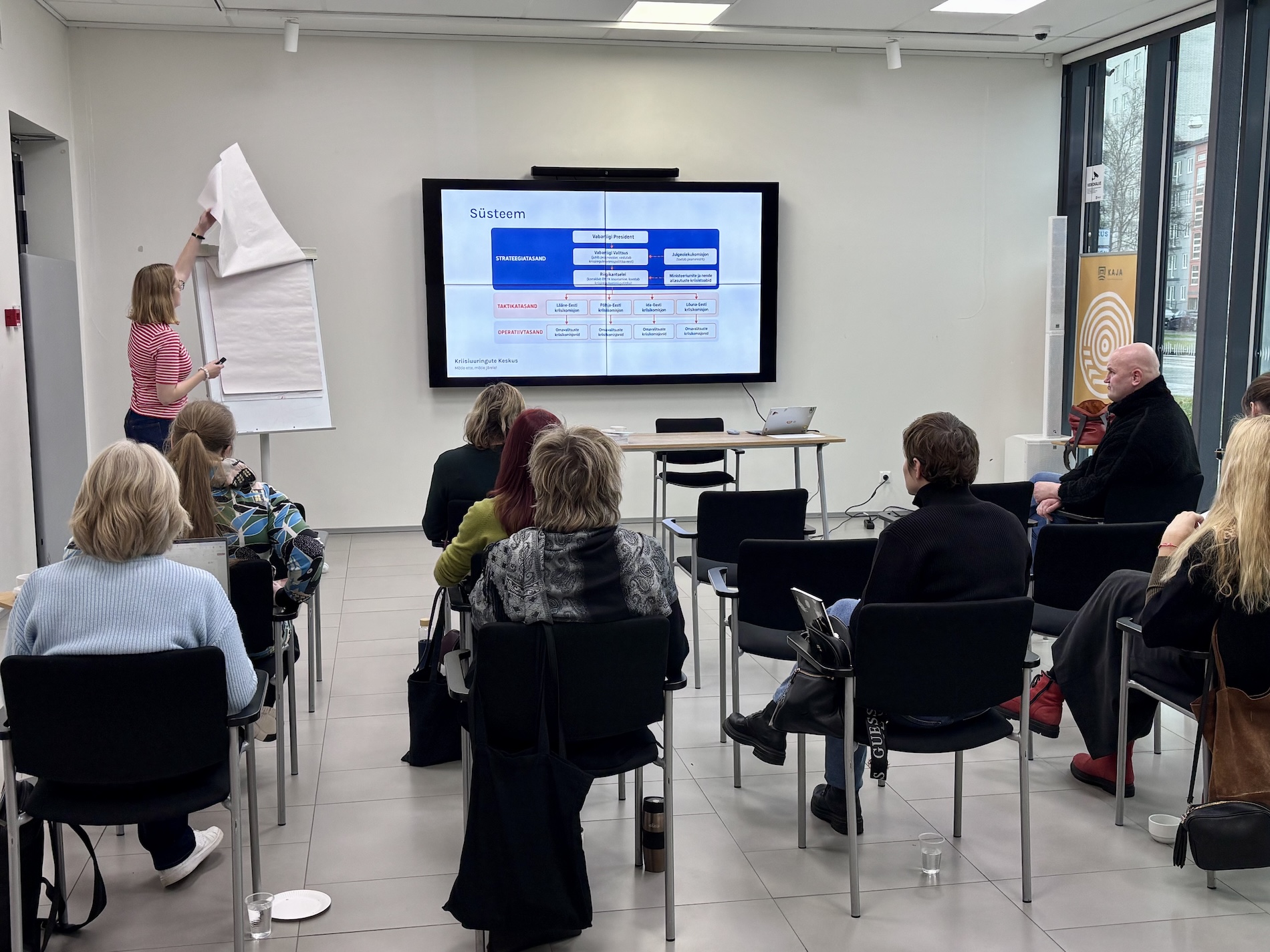
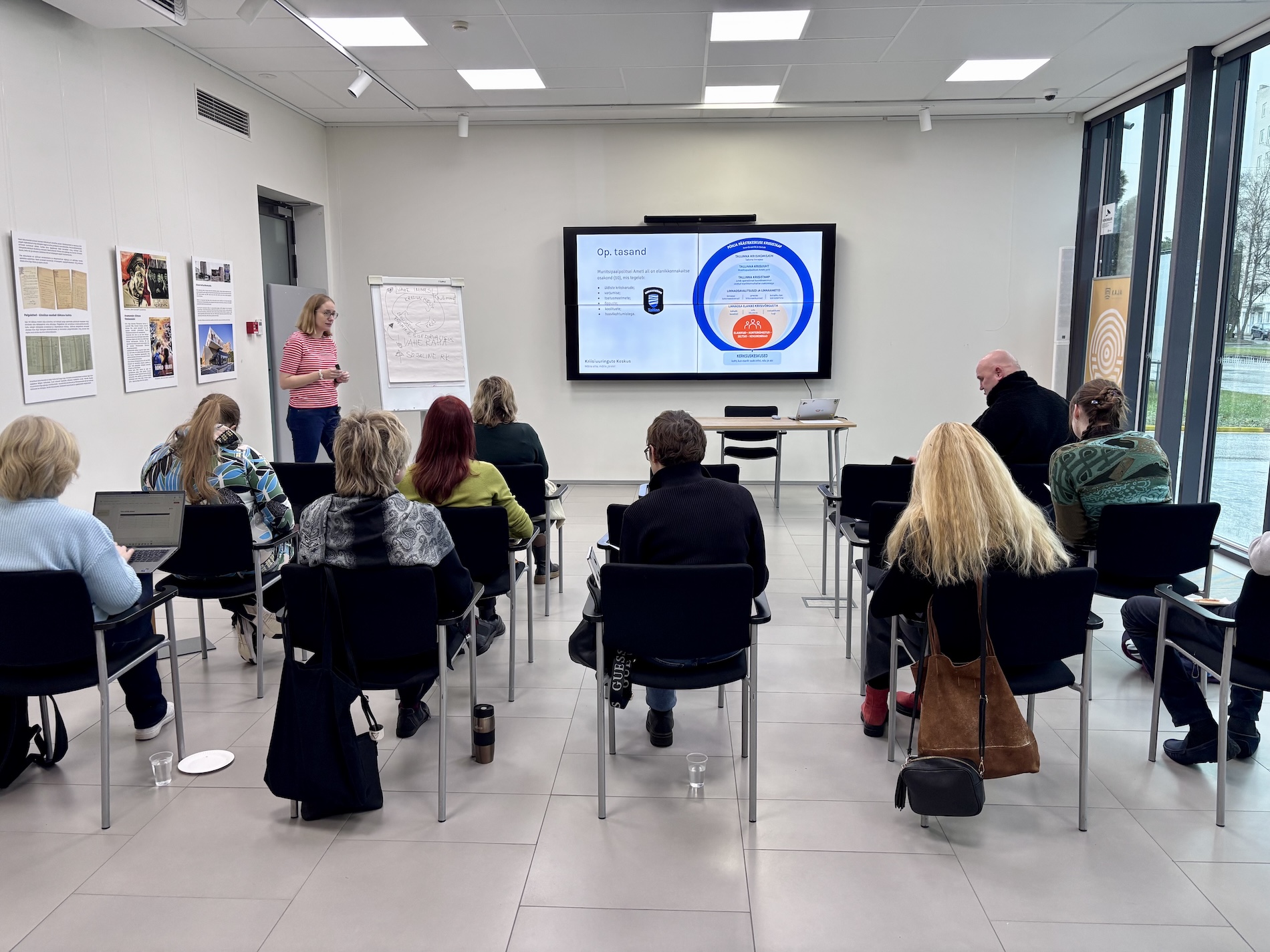
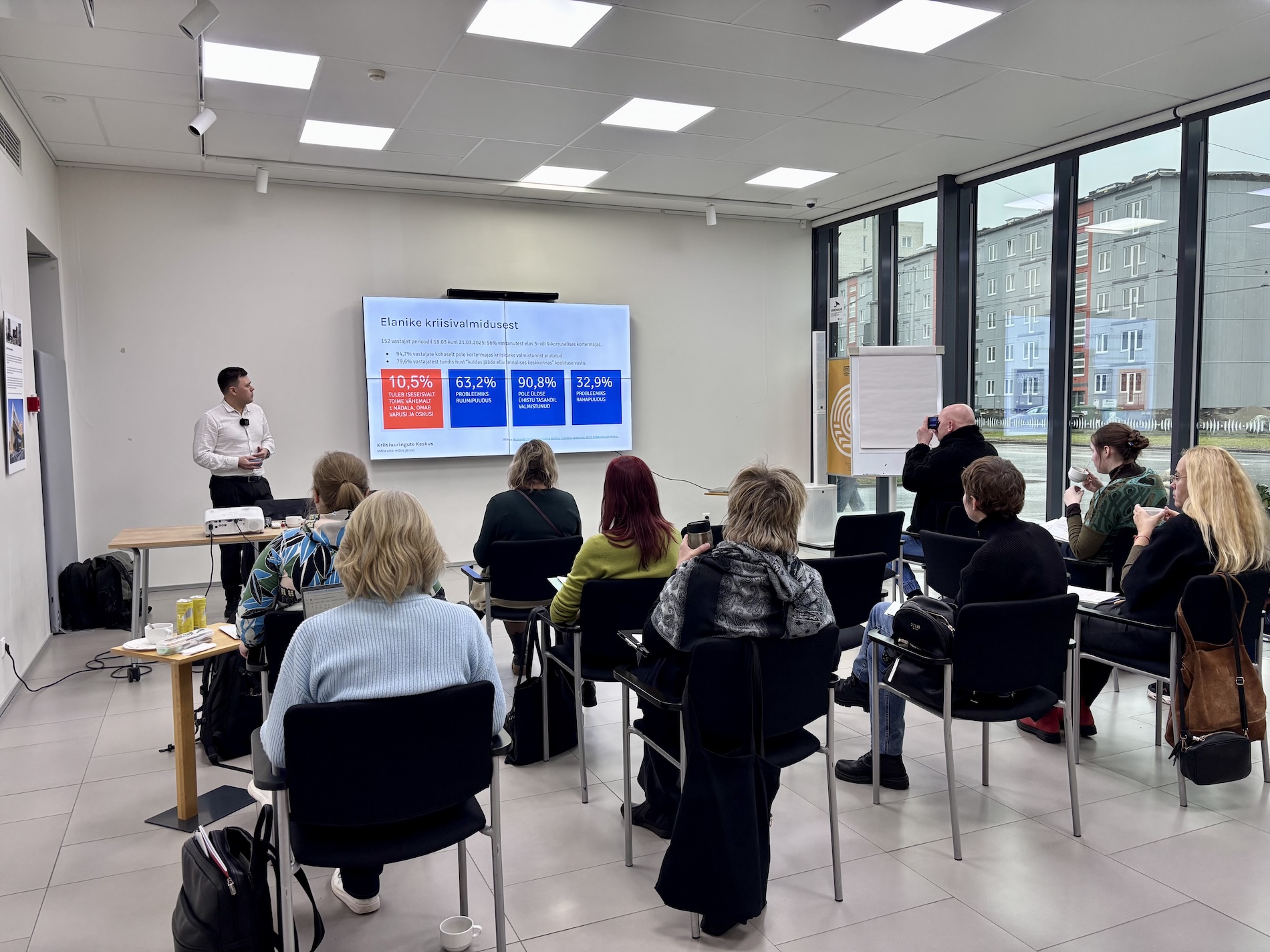
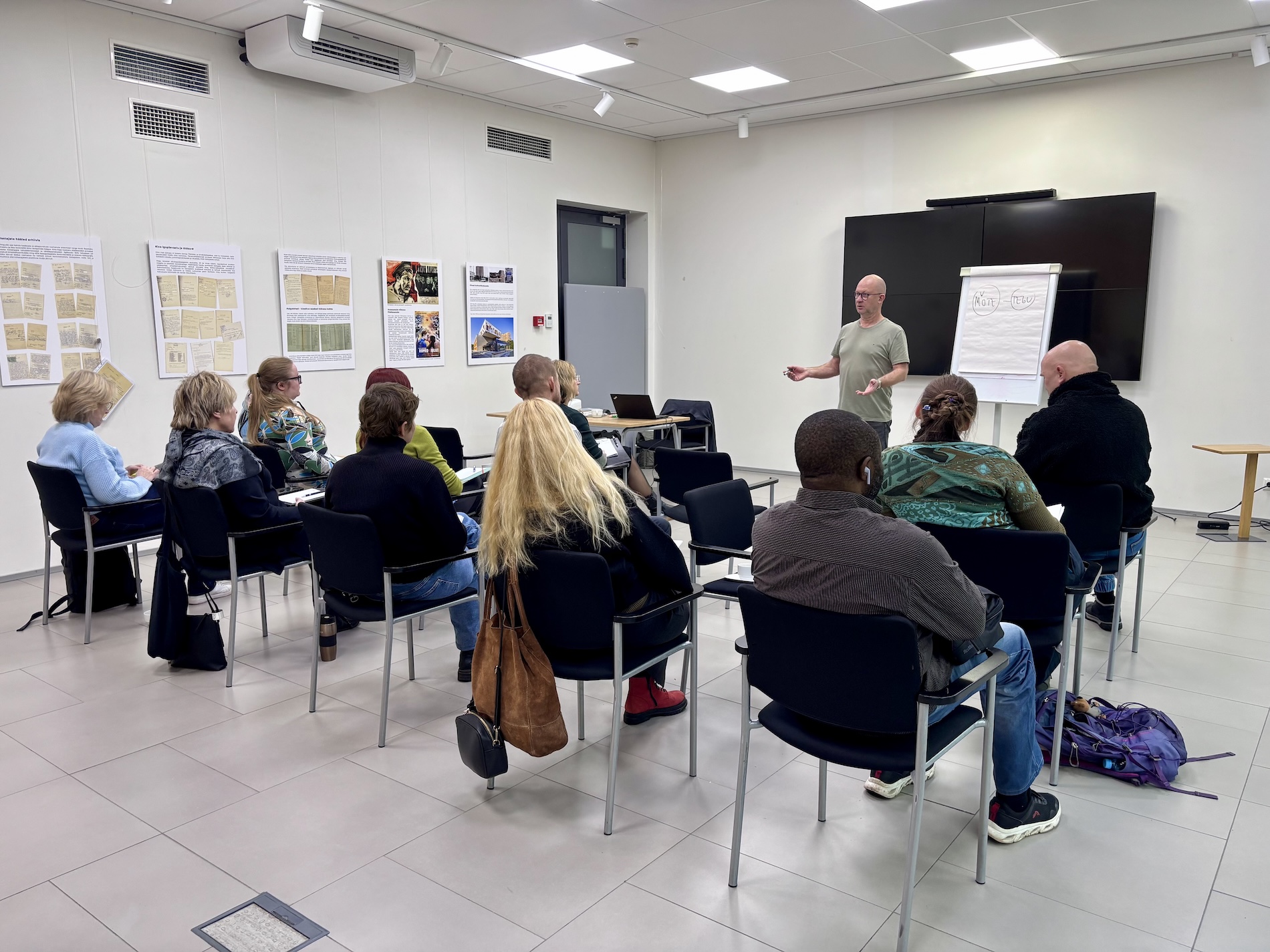
The second half of the day challenged common first aid myths and showed how to give lifesaving first aid even without equipment to hand. Members of the crisis network learnt to assess conditions at the scene and decide whether and how they could help.
“Whether you’re on a city street in peacetime or at a place of shelter among blocks of flats during wartime, conditions at the scene determine what help you can give. Being able to assess the situation calmly helps you work out what you can do, even without first aid equipment. In that first minute, what matters is whether someone knows how to act and has the confidence to do so,” Nagel added.
The KRAKO training programme aims to give participants practical knowledge and build the confidence to act in a crisis. In feedback from the Mustamäe sessions, nearly 70% of respondents said they could use what they had learnt in everyday life. The sessions also helped participants make contacts they can draw on as the crisis network develops. More than 36% of respondents met two or three people they could get in touch with or work with on crisis preparedness or community safety. A further 39% made at least one such contact.
“When 75% of participants meet someone during training whom they can stay in touch with or work with afterwards, it shows that the programme is doing what we set out to achieve. When the Tallinn Municipal Police Department takes over co-ordination of the Mustamäe crisis network shortly, it will be able to build on those relationships and organise joint work more easily,” said Nagel.
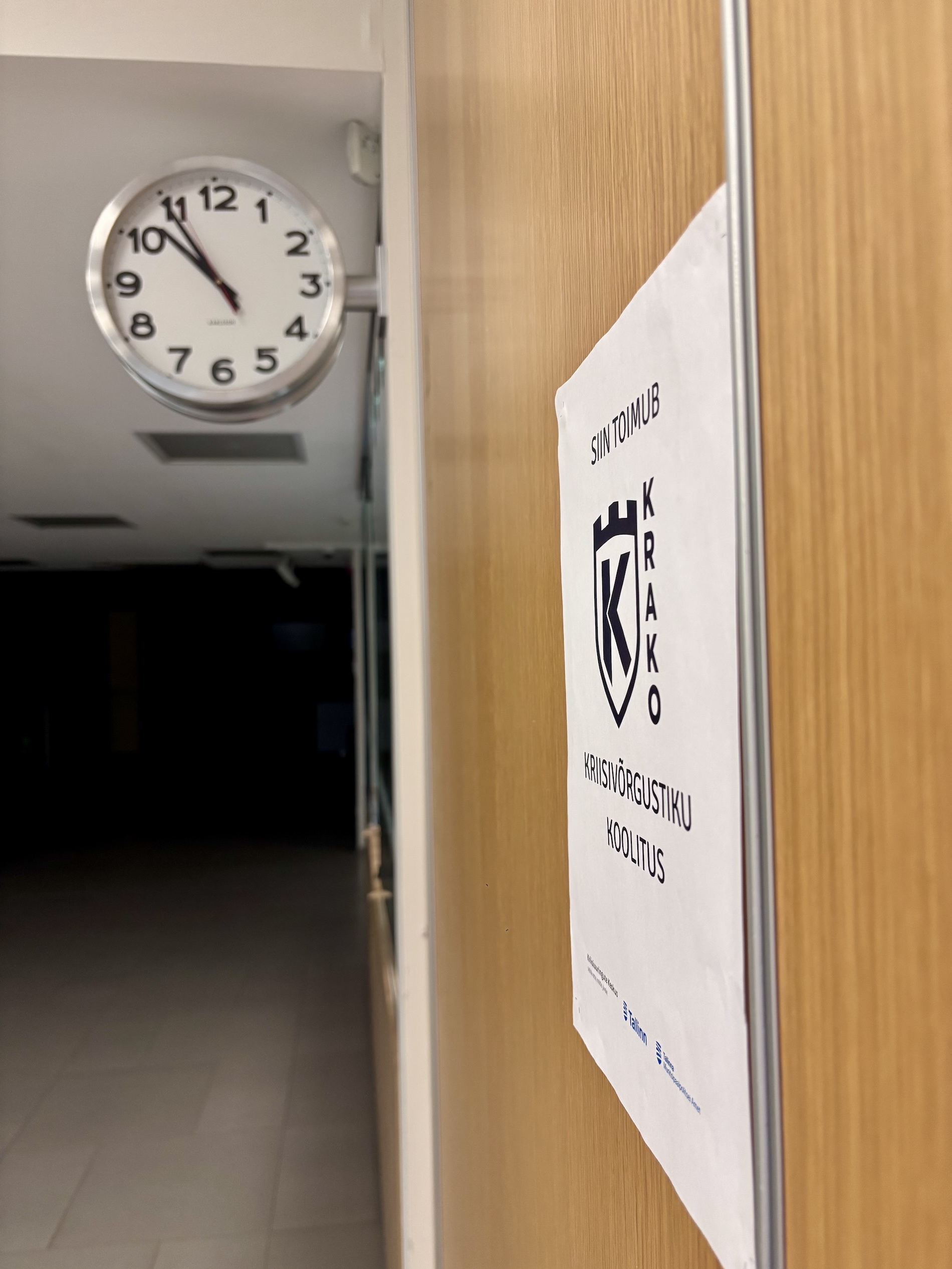
🟠 KRAKO is a Crisis Research Centre pilot initiative to establish local crisis networks in Nõmme, Mustamäe and Haabersti. The Mustamäe sessions took place on 10 October and on 8 and 22 November. Training continues in Haabersti on 29 November and 6 December. Further information and registration are available on Tallinn’s crisis prevention website.
🔺The use, distribution, modification or publication of text and images is permitted only with the prior written consent of the NGO Crisis Research Centre. Any unauthorised use is strictly prohibited.
Jaga postitust: