KRAKO | 22 New Volunteers Join Haabersti’s Community Crisis Network
Through KRAKO, Haabersti now has its first community crisis network linking volunteers across its neighbourhoods. They can help close to home and, when needed, support the response across the district. That means agreeing before a crisis what help the city can call on them for and how they will work together.
“KRAKO brings together people who know their neighbourhoods and are ready to help. Some can act as a point of contact in their own block of flats or neighbourhood, while others can help elsewhere in Haabersti if needed. Tallinn can already take their skills into account when planning for emergencies,” said Hannes Nagel, Head of the Crisis Research Centre and KRAKO Project Manager.
Haabersti is particularly vulnerable because it has limited capacity to co-ordinate a response locally. The district has no police station, no professional fire and rescue station and no dedicated crisis preparedness officer in its administration. According to the Crisis Research Centre, two Tallinn Municipal Police Department officers previously served Haabersti. Following a recent reorganisation, one remains. This increases the district’s reliance on Tallinn’s central crisis management arrangements, particularly when several areas need help at the same time.
“When there are few staff available to co-ordinate a crisis response locally, the city and the district need to agree clearly who does what. Haabersti needs someone whose job includes developing crisis preparedness and staying in touch with volunteers between exercises. The network gives the city extra capacity. The city must take responsibility for bringing volunteers into its response,” said Nagel.
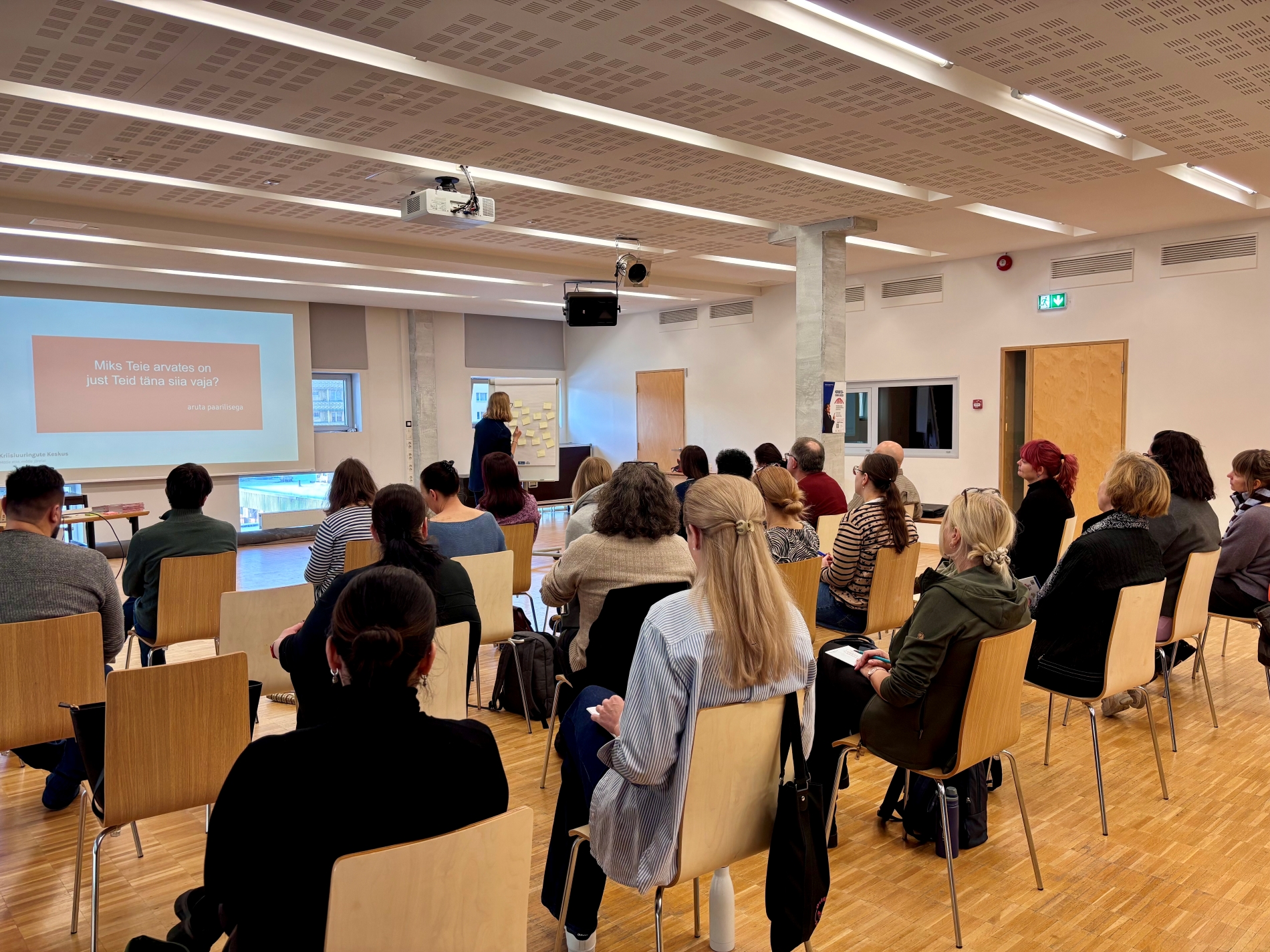
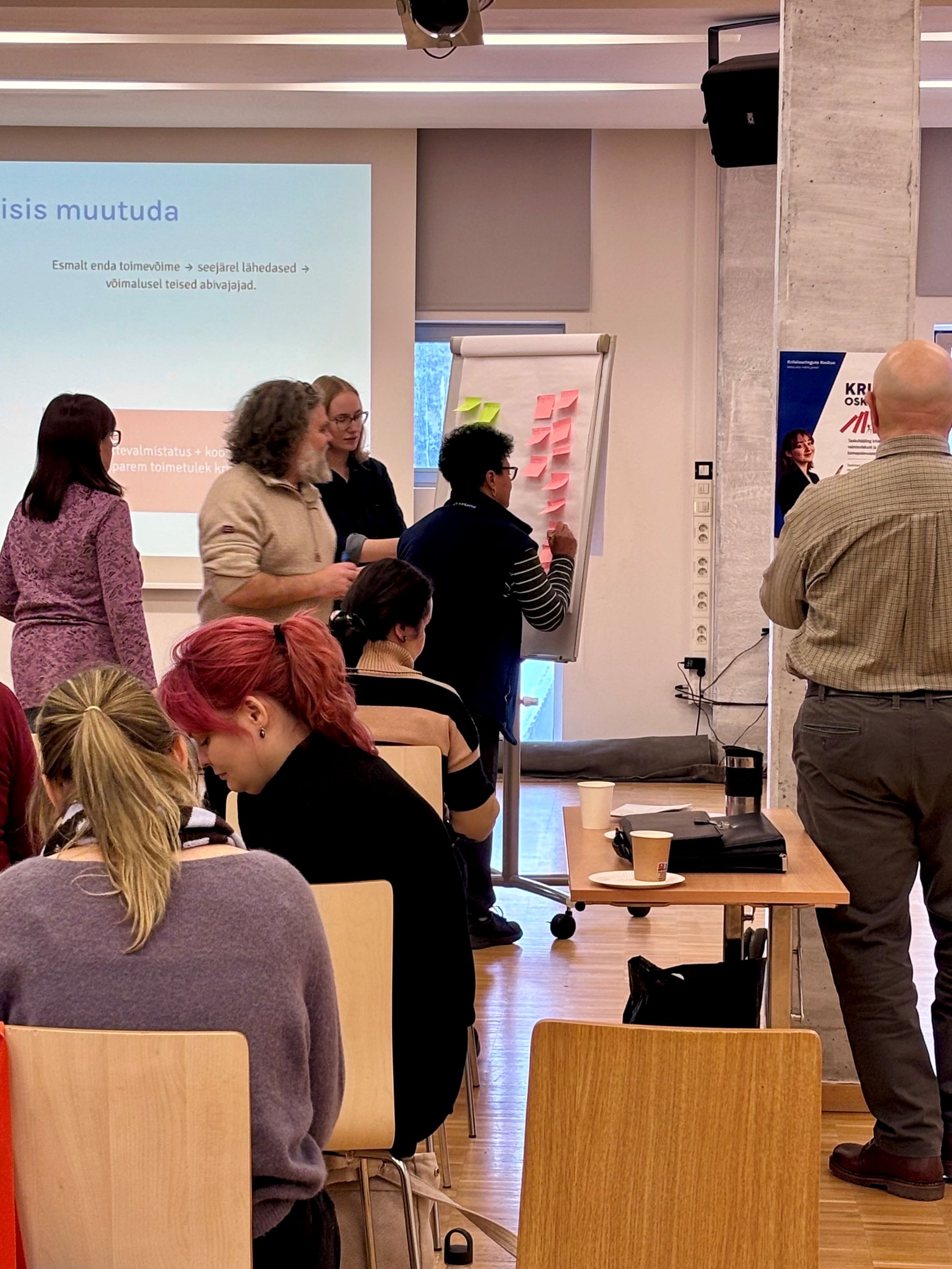
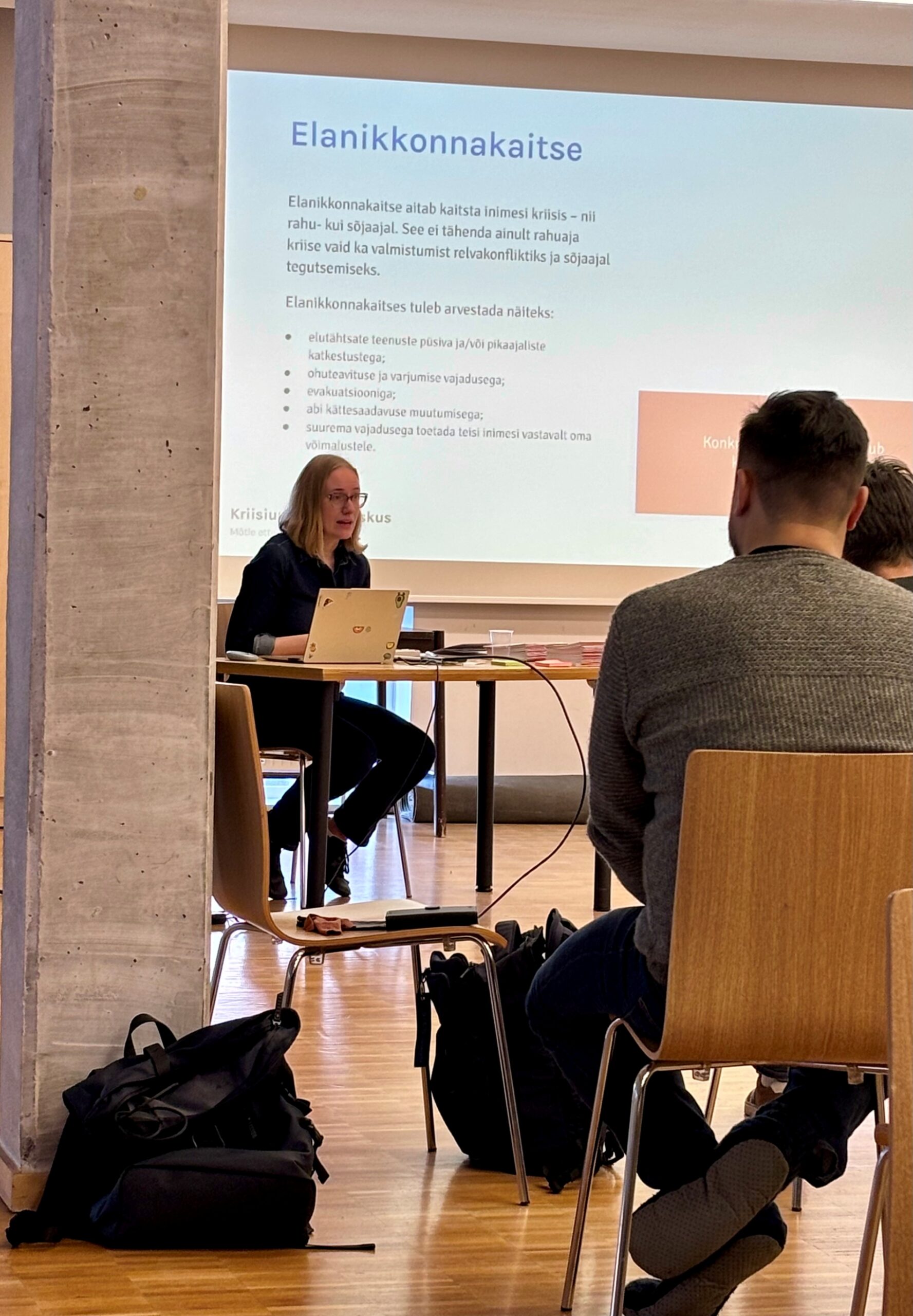
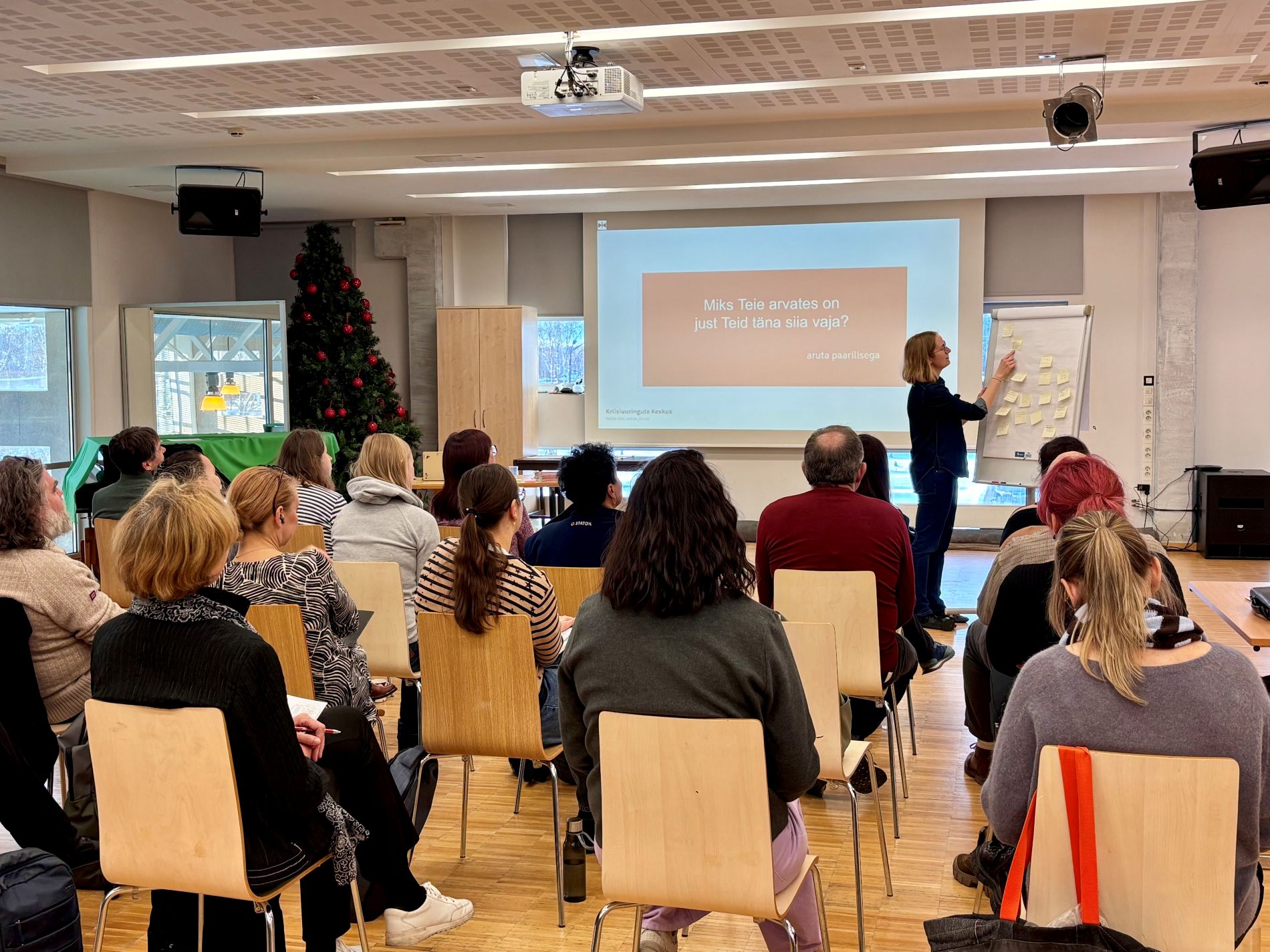
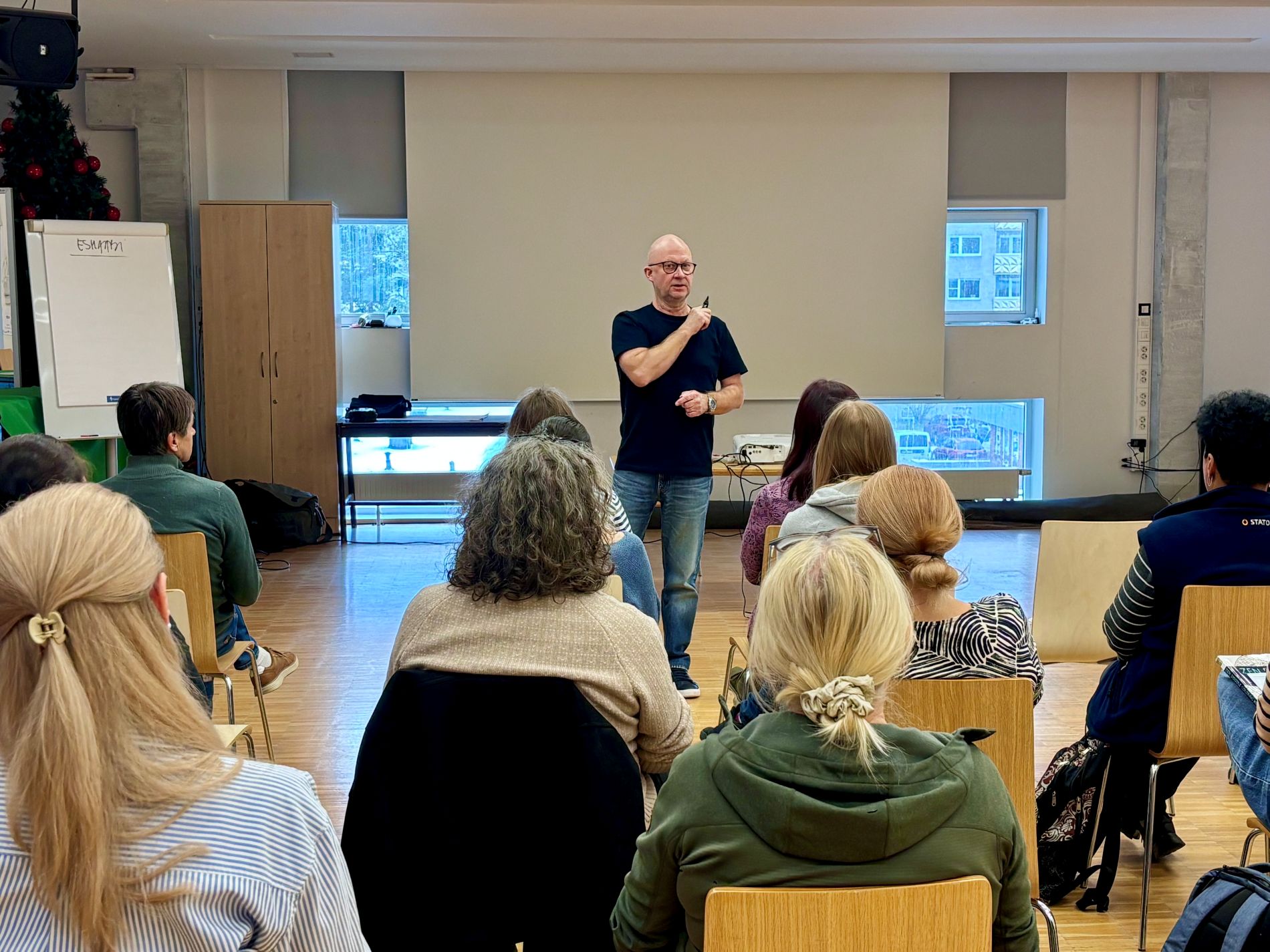
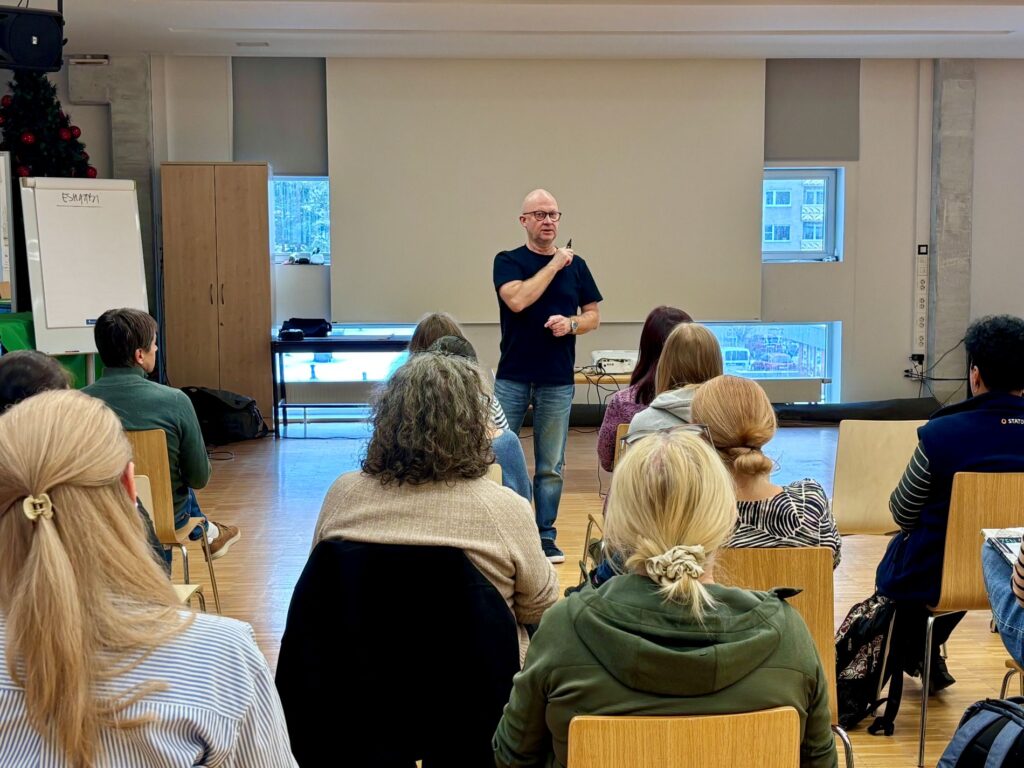
How volunteers can help during a military crisis
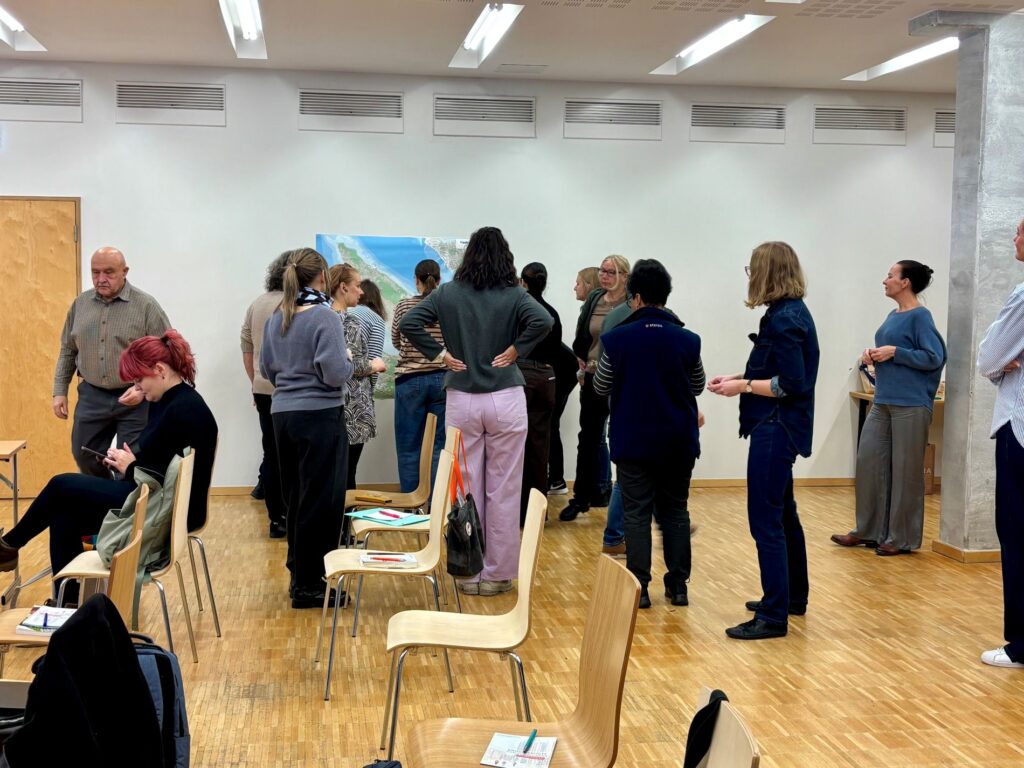
The session covered civilian emergencies and crises arising from military aggression. Participants discussed how network members could assist their communities and support the officials responsible for managing the city’s response. “People still need help and reliable information during a military crisis. In peacetime, we can talk to volunteers about the civilian tasks they are willing to take on and whom they should contact for guidance. Clear agreements give both volunteers and crisis managers a better idea of what to expect from each other,” Nagel said.
The Crisis Research Centre maps participants’ knowledge and skills in every KRAKO group. The findings help the city and the Municipal Police Department identify the skills the network already has and where further training and exercises would be most useful. “Every group brings different experience. Mapping those skills helps Tallinn and the Municipal Police Department see what they can already draw on and which tasks volunteers need more practice in. That gives them a practical basis for planning the next round of training,” Nagel explained.
Building on the K-24 project in Haabersti
KRAKO builds on the K-24 project, which ran in Väike-Õismäe in 2025. Through K-24, the Crisis Research Centre purchased Haabersti’s first community emergency supplies and handed them over to the district. The supplies can be used to set up two resilience hubs to provide temporary support to residents during a crisis. “We trained nearly 300 residents through K-24. In our assessment, it was Estonia’s largest community civil protection training programme to date. It also gave Haabersti its first community emergency supplies. KRAKO now adds a network of people who can help organise support for residents locally during a crisis,” said Nagel.
The KRAKO project is run by the Crisis Research Centre and co-funded by the City of Tallinn, the Tallinn Municipal Police Department and the Crisis Research Centre.
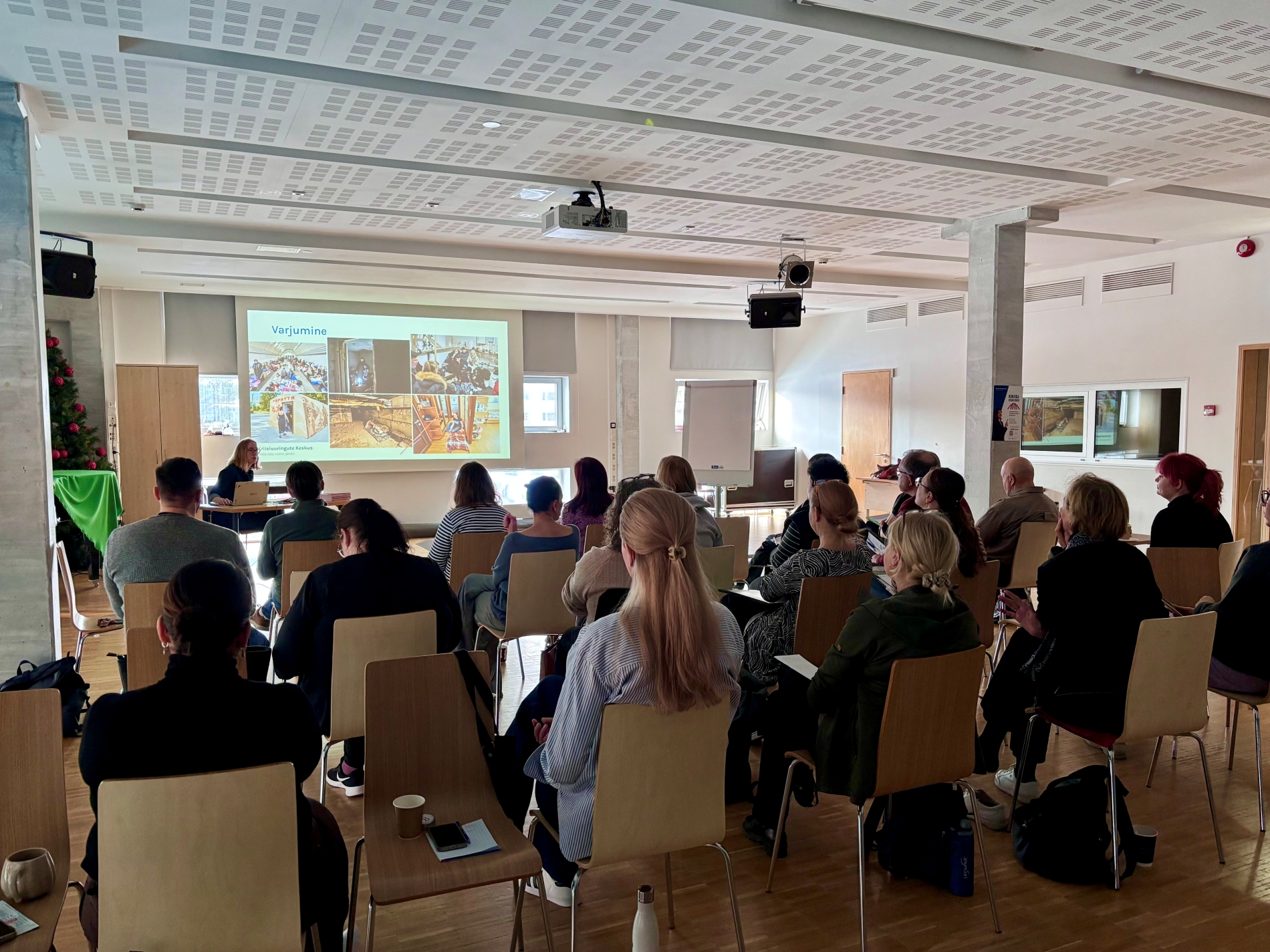
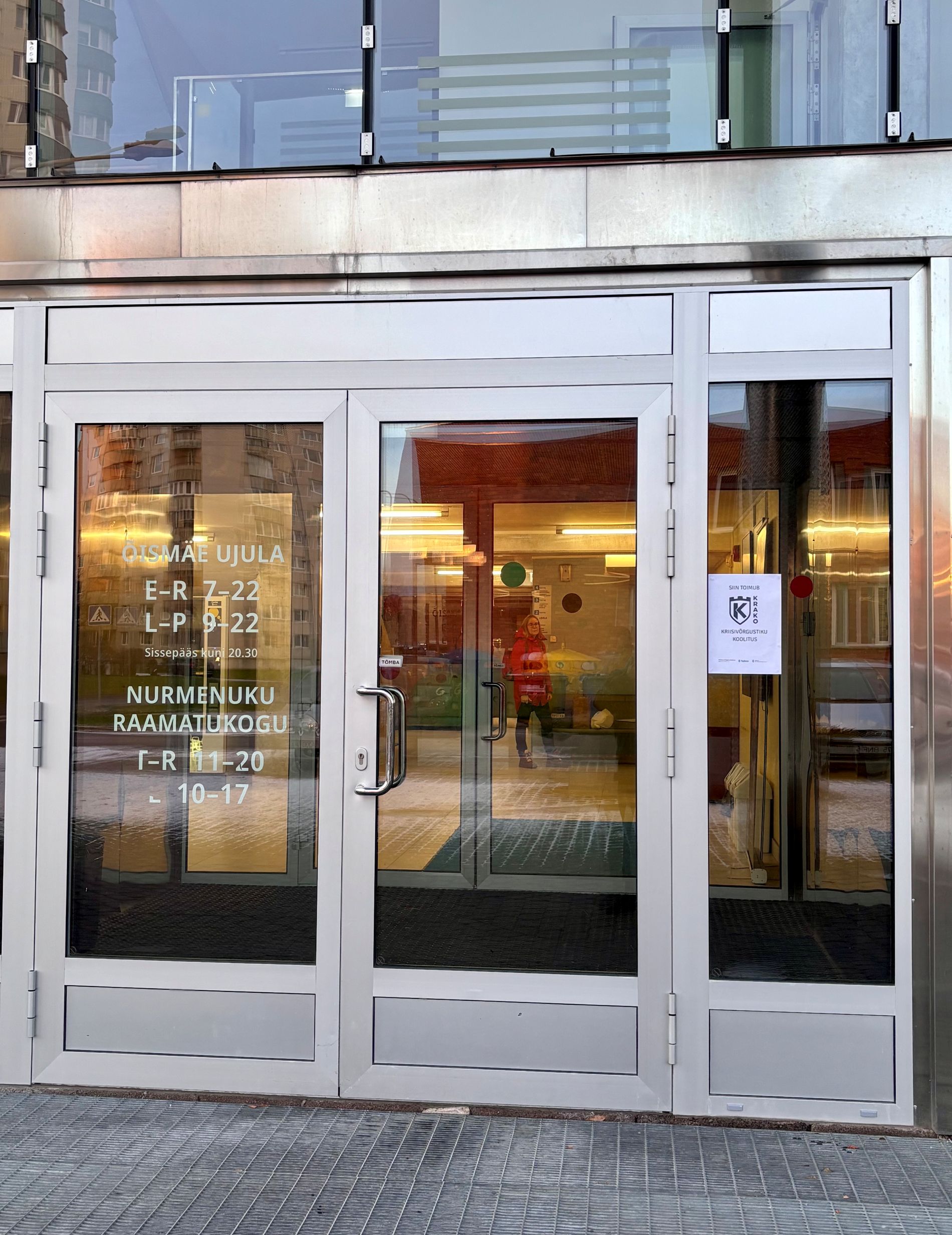
Photos and video: community crisis network training in Haabersti on 29 November (Crisis Research Centre, 2026).
🔺The use, distribution, modification or publication of text and images is permitted only with the prior written consent of the NGO Crisis Research Centre. Any unauthorised use is strictly prohibited.
Jaga postitust: