
Russia’s invasion of Ukraine will end badly
Russia’s aggression will end sooner or later with a withdrawal from Ukraine similar to the one from Afghanistan in 1989. It is worth looking beyond the acute crisis and the imposition of sanctions and thinking about the longer-term perspective, which will inevitably bring the Russian regime closer to the final act of the imperial collapse that began in 1991.
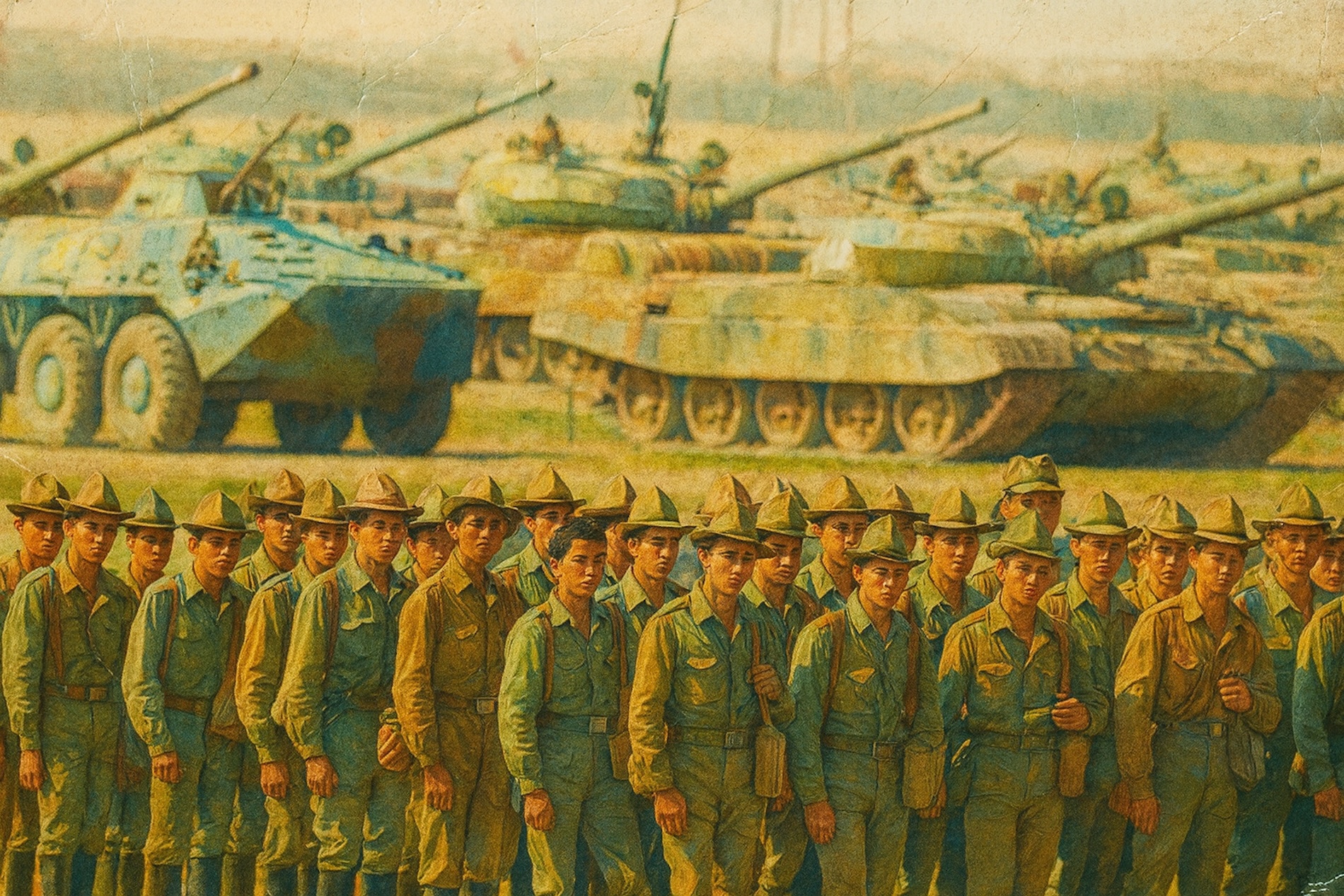
In describing Russia’s invasion, too much emphasis is placed on numbers. If we limit ourselves to a superficial numerical comparison — Ukraine has this many tanks and Russia has that many — then we are following the path the aggressor wants. It is a direct route to the terror regime’s preferred pseudo-dialogue about who has more muscle.
All of this serves to sow fear. The greatest weapon of the Russian army is precisely the spread of chaos and fear, uncertainty and doubt among its opponents, because morally they are no match for anyone. The bombing of residential areas or an orphanage is proof of the use of intimidation tactics and the absence of values.
This is state-supported terrorism, nothing else
For those who wish to better understand the Kremlin’s mindset, I recommend watching Ukrainian director Sergei Loznitsa’s film Donbass (2018), which vividly depicts the values of the “Russkiy mir” and the reality of living within it. History is well acquainted with the impact of arrogance and lack of reflection on decision-making.
The greatest weapon of the Russian army is indeed the deliberate spread of chaos and fear, uncertainty and doubt among its opponents, because morally they present no worthy adversary. Although Ukraine lacks the kind of terrain characteristic of Afghanistan — terrain many Russians should still remember — Ukrainian soldiers do not lack the determination to resist a superior enemy.
In reality, it does not matter whether resistance takes place under conventional or guerrilla warfare conditions, nor which weapons are used, but rather that resistance happens at all. Consistently. This is what our War of Independence taught us: even when people were told that standing up to a larger enemy was impossible and disastrous, they did it anyway.
Successfully influencing the aggressor requires, first and foremost, resolve and the kinds of actions that instill in the attacker the understanding that the opponent will resist and will not be intimidated by numerical superiority. This means that despite its efforts and brutality, the attacker’s momentary loss of vigilance may cost them their life.
Russia is incapable of learning from its mistakes
This realization will slowly reach the occupiers as it becomes clear that the expected walk to Maidan first stalls and then turns into an awkward push forward just to avoid losing face. Ukraine’s resistance and its real show of force are still ahead. The best opportunities will likely arise in urban terrain, where it is possible to slow the advance of armored vehicles and force the enemy into heavy urban combat.
The price of this will undoubtedly be high, but given Ukraine’s geographical conditions, it is one of the best ways to halt the Russian invasion and push the fighting into a phase of attrition. This requires time and assistance to Ukraine in every possible way, because the effect of Western sanctions may not be immediately felt in the Kremlin. Once reality finally sets in, the shift may come suddenly.
As waging an expensive war and continuing a national political performance under economic sanctions requires constant investment, the economy will eventually collapse. Money will simply run out and the inner circle will grow dissatisfied. History has shown many times what happens next.
This op-ed (Hannes Nagel) has been published in various outlets both online and in print, including Õhtuleht on 3 March 2022 (No. 51, p. 8) and Postimees on 16 March (No. 52/7680, p. 13).
Jaga postitust: