KRAKO | Tallinn’s crisis network members hear plans for 2027
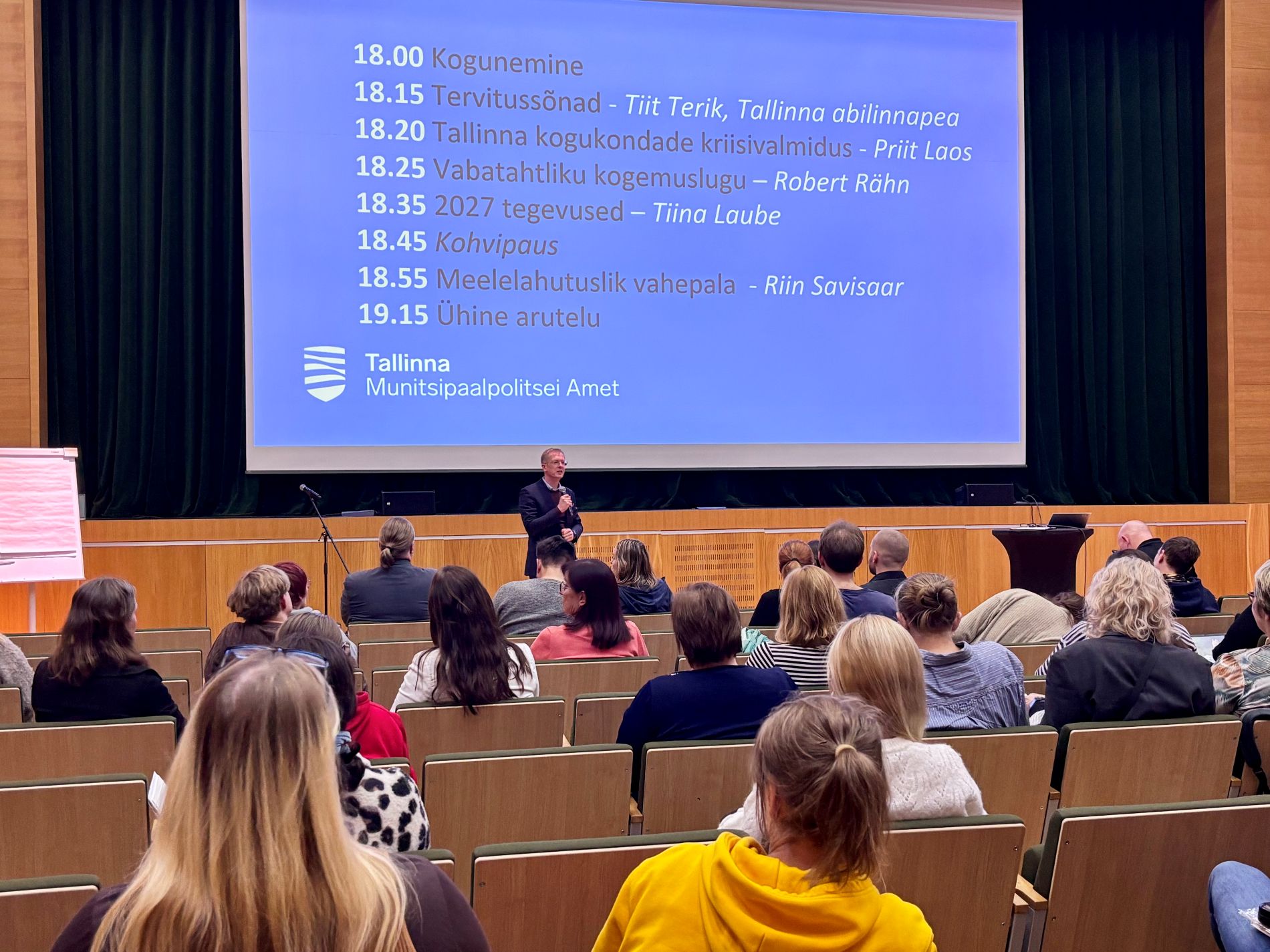
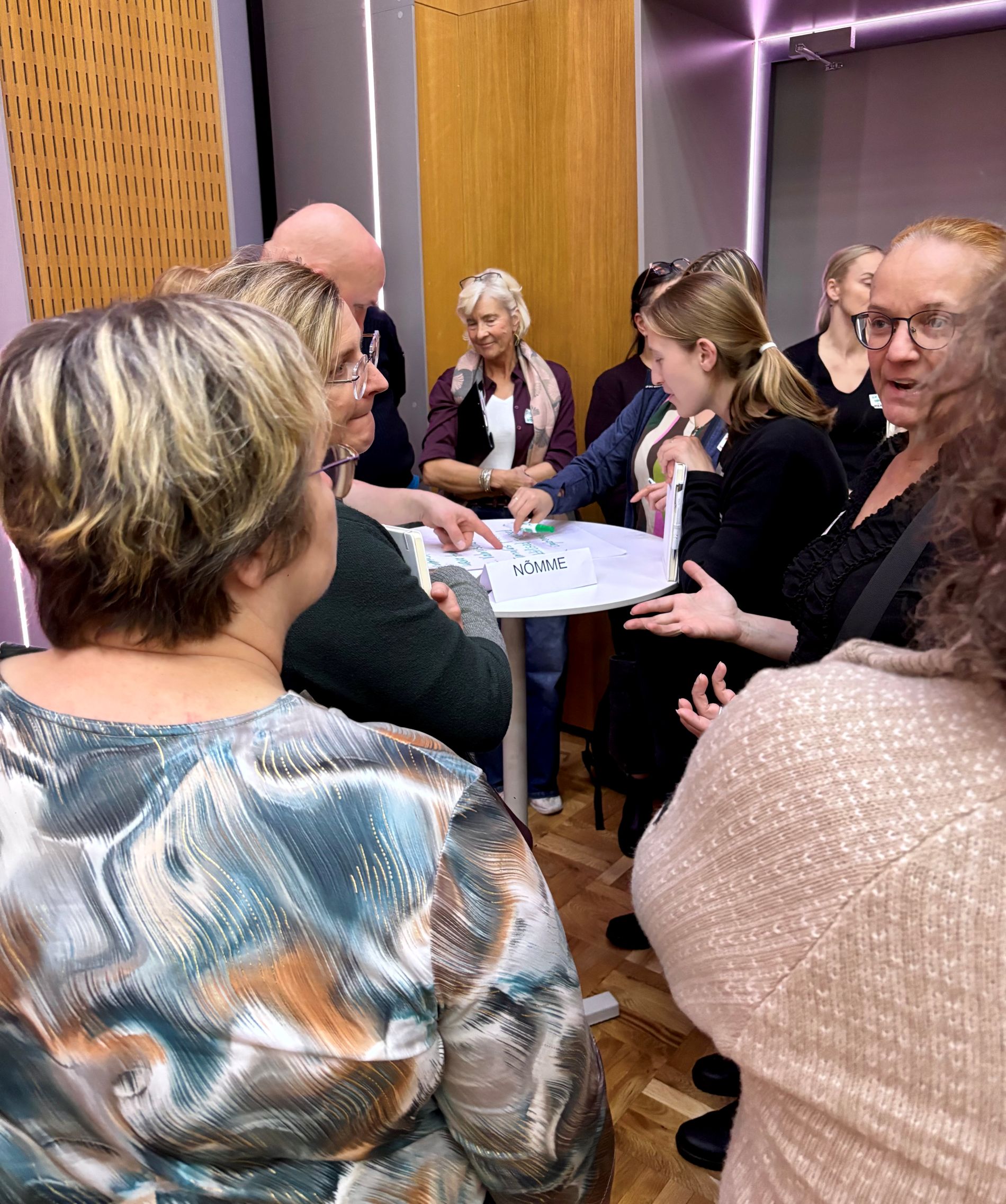
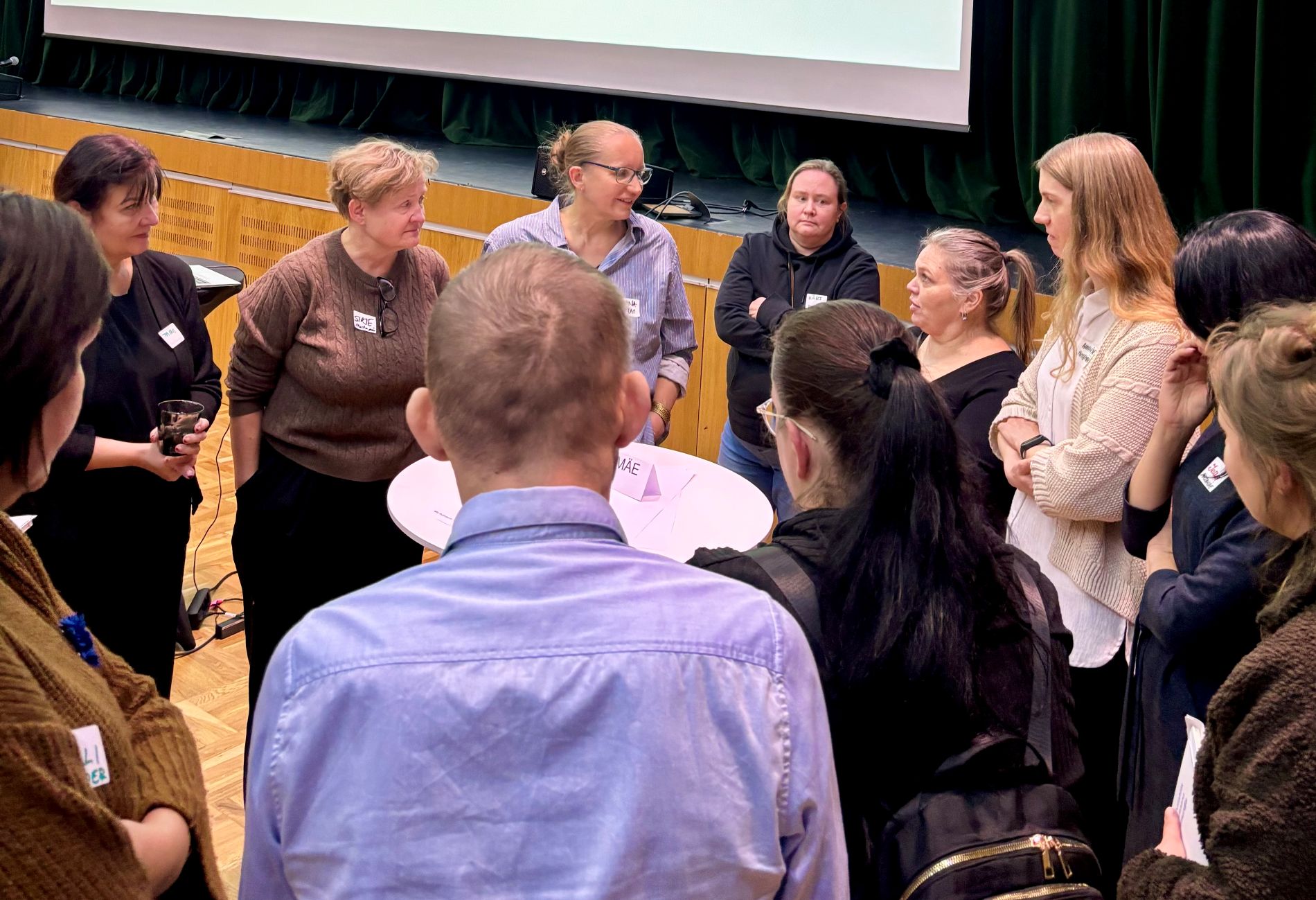
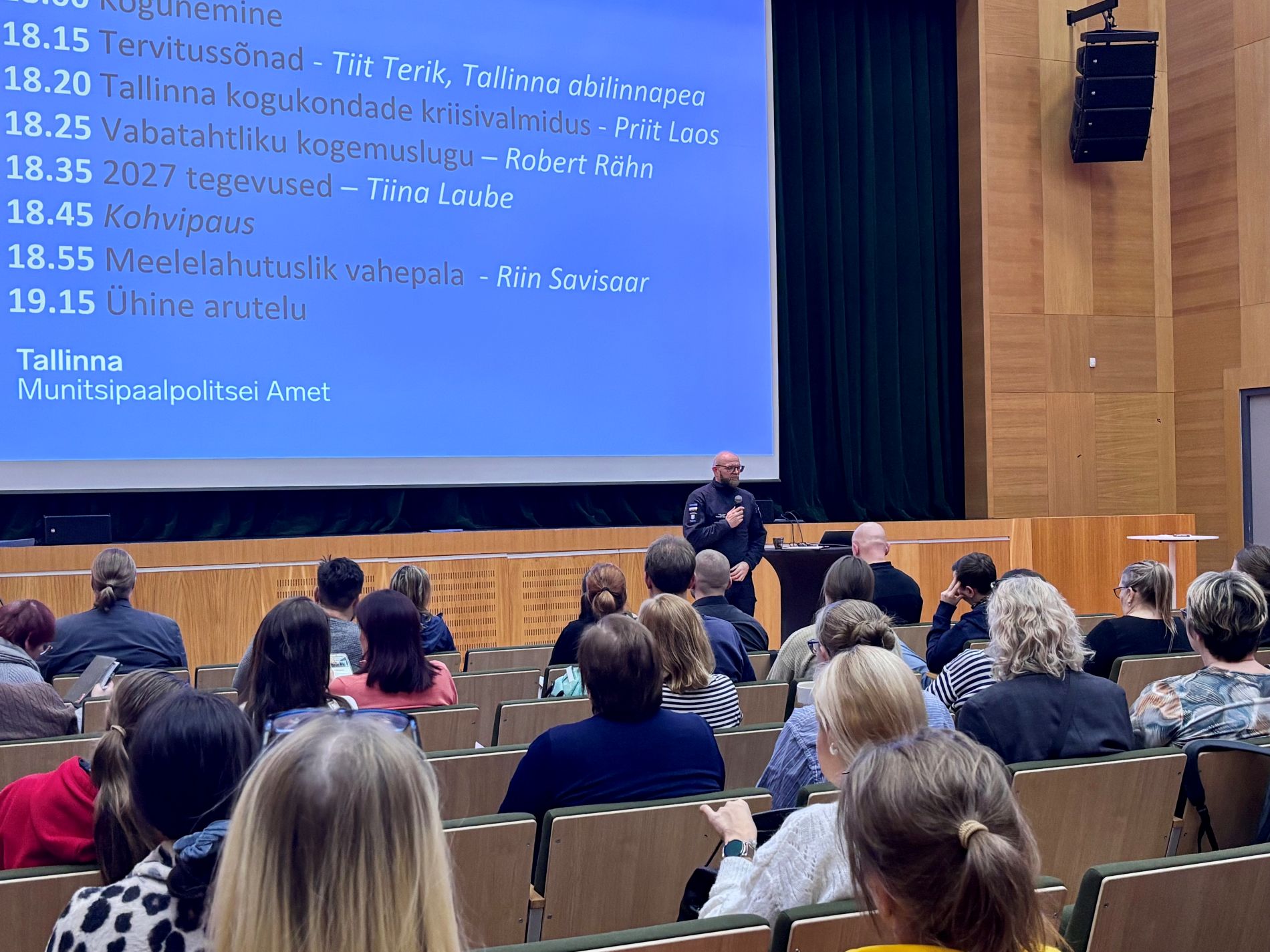
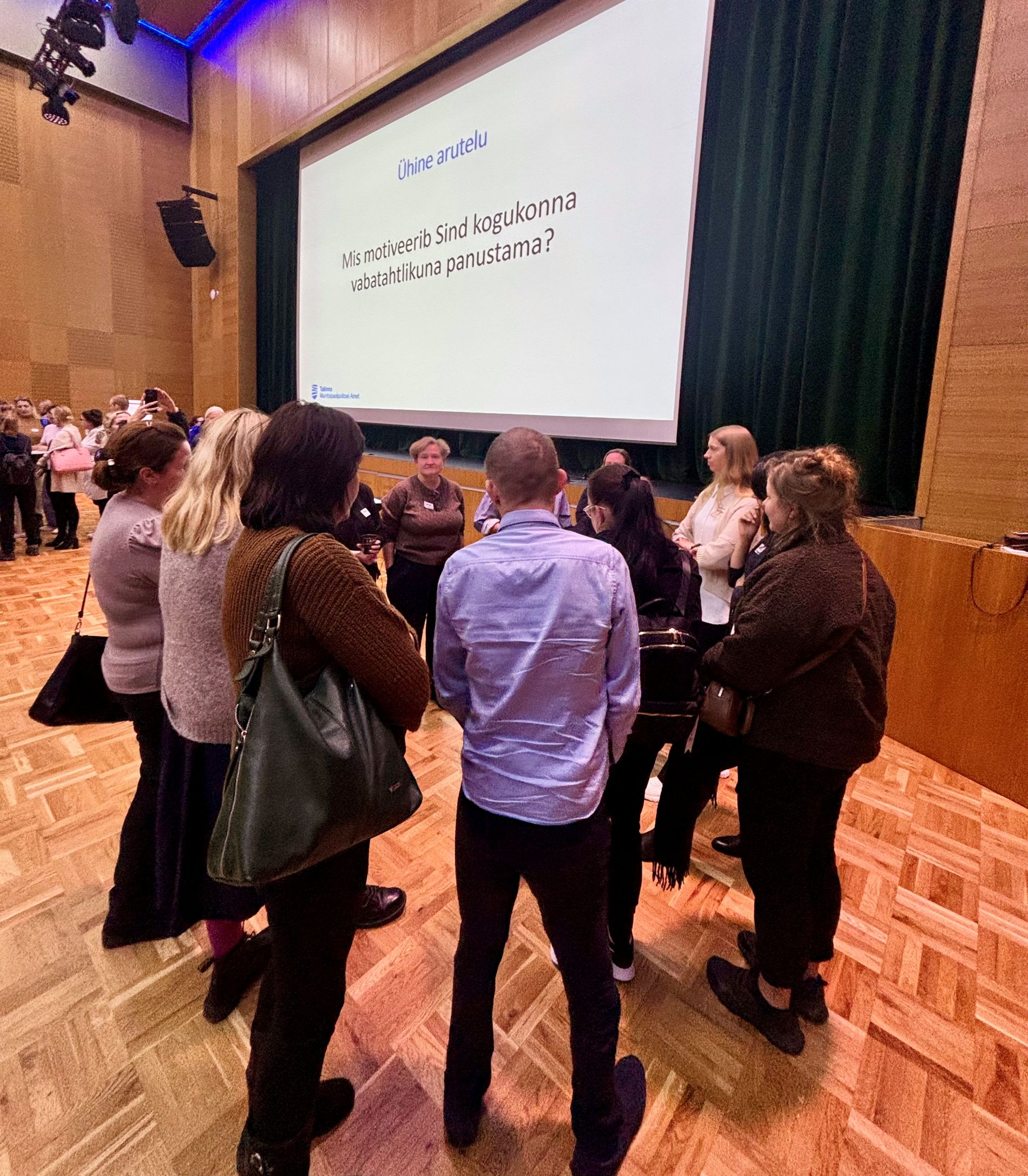
Since September, the Crisis Research Centre has been training residents of Nõmme, Mustamäe and Haabersti who are willing to support their communities and help their district respond to a crisis. By the time of the briefing, six KRAKO groups had completed their training. The meeting gave members of those groups a chance to hear how the city and the Municipal Police Department plan to work with volunteers after the project ends.
“Tallinn’s crisis network is unique in Estonia. To our knowledge, no other municipality has built civil protection capacity on this scale by bringing trained volunteers from several districts into its crisis response arrangements. Through KRAKO, the Crisis Research Centre will train up to 120 community volunteers, whom the city calls “civil crisis responders”. The briefing gave them a chance to hear what the city has planned for the network,” said Anne-May Nagel, co-founder and researcher at the Crisis Research Centre.
The network can help the city understand how the same disruption affects people in different neighbourhoods. During a power cut, for example, the electricity network operator can tell the city which areas are affected. People on the ground can see where a lift has stopped working and left residents who need help, or where official updates have yet to reach people. Volunteers can alert the city to these needs and help pass on its advice to neighbours. For this to work during a crisis, volunteers need to know in advance whom to contact and how the information they share will reach those responsible for arranging help.
“We’re pleased that Tallinn has taken on board the Crisis Research Centre’s proposals for strengthening civil protection in the capital. Together, we’ve set a significant change in motion. Volunteers across the districts can now have a say in how support is organised in their communities before a crisis occurs. The next step is to stay in touch and practise working together so that both the city and the volunteers know how to act when they’re needed,” said Nagel.
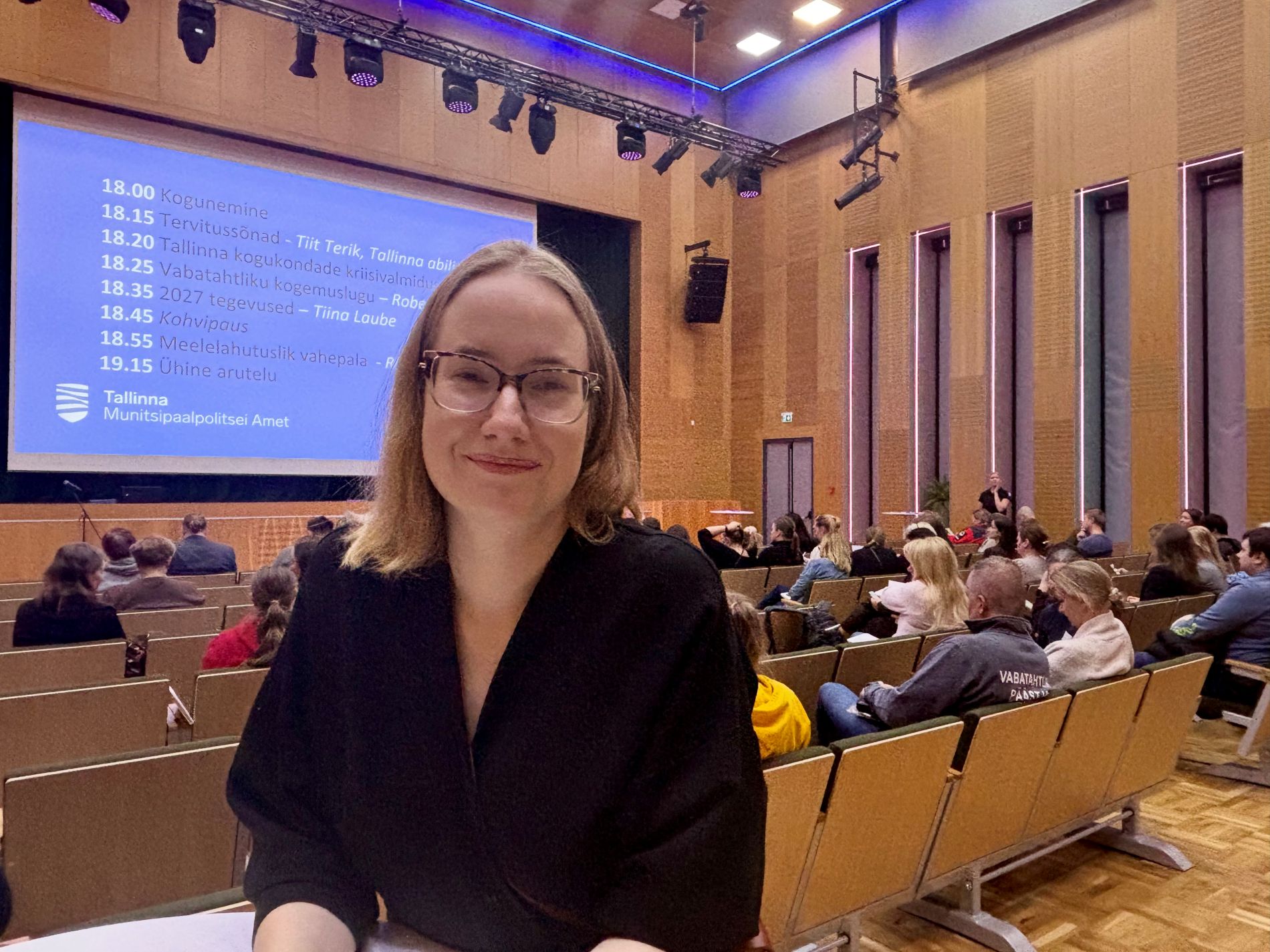
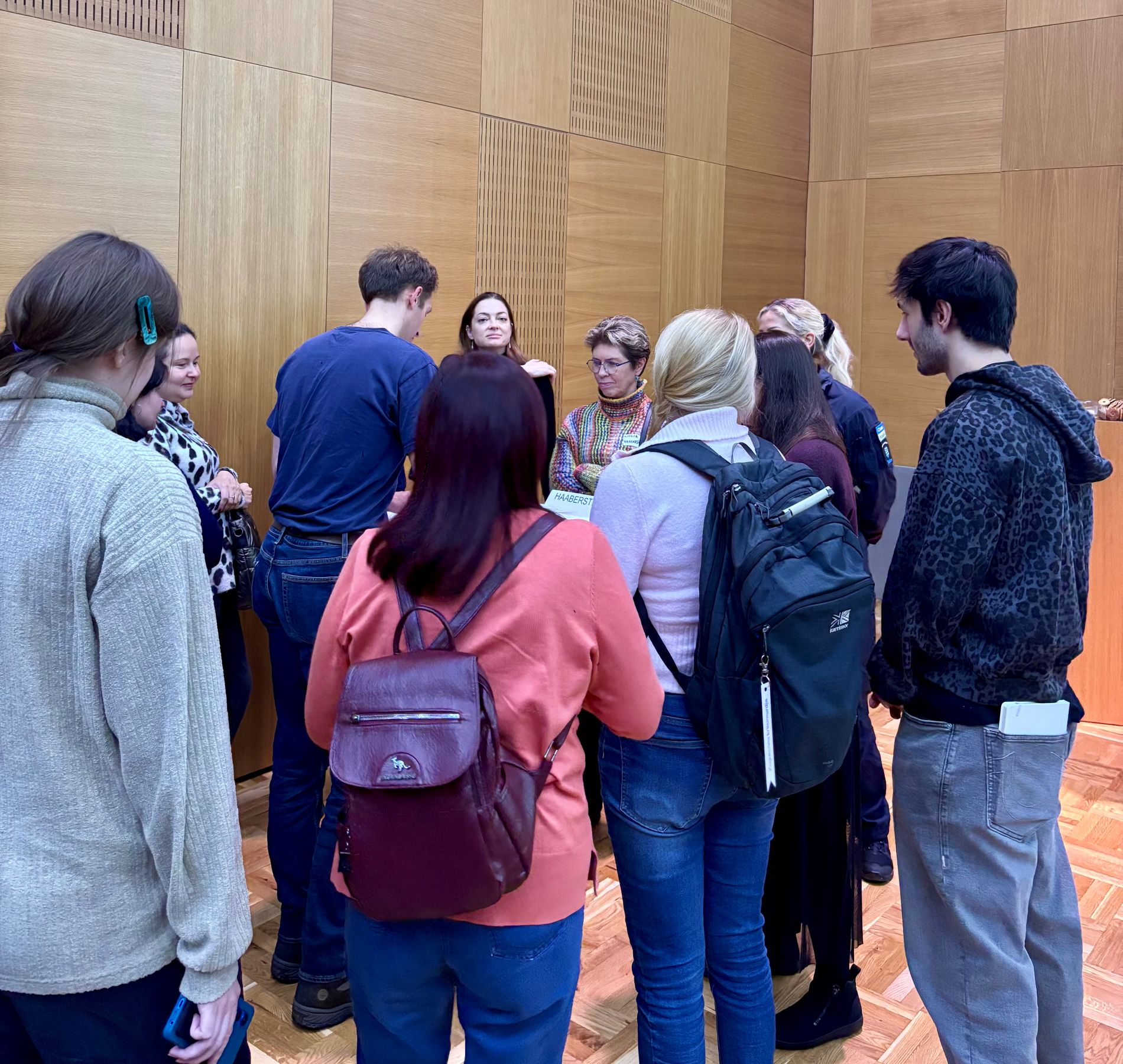
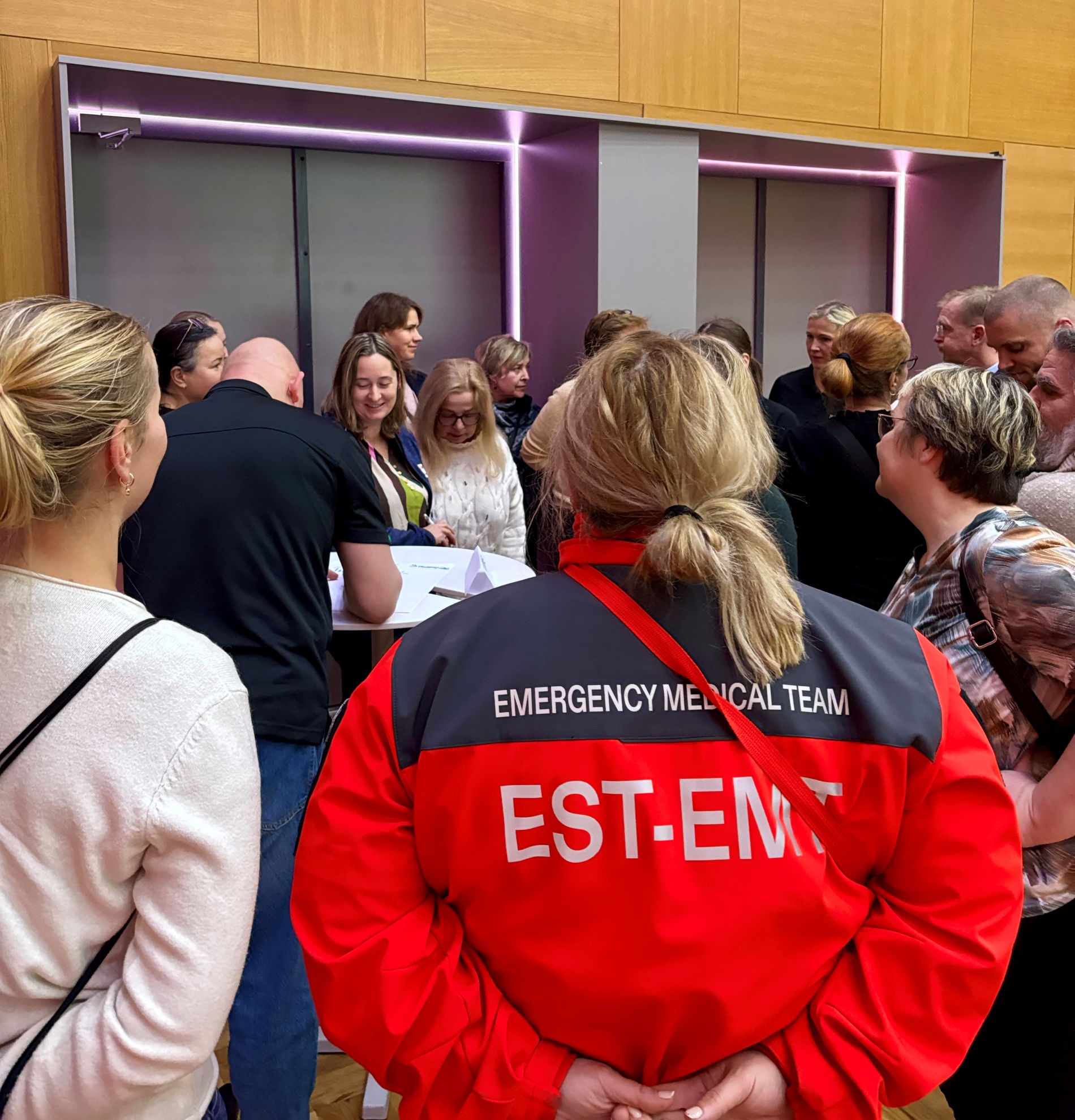
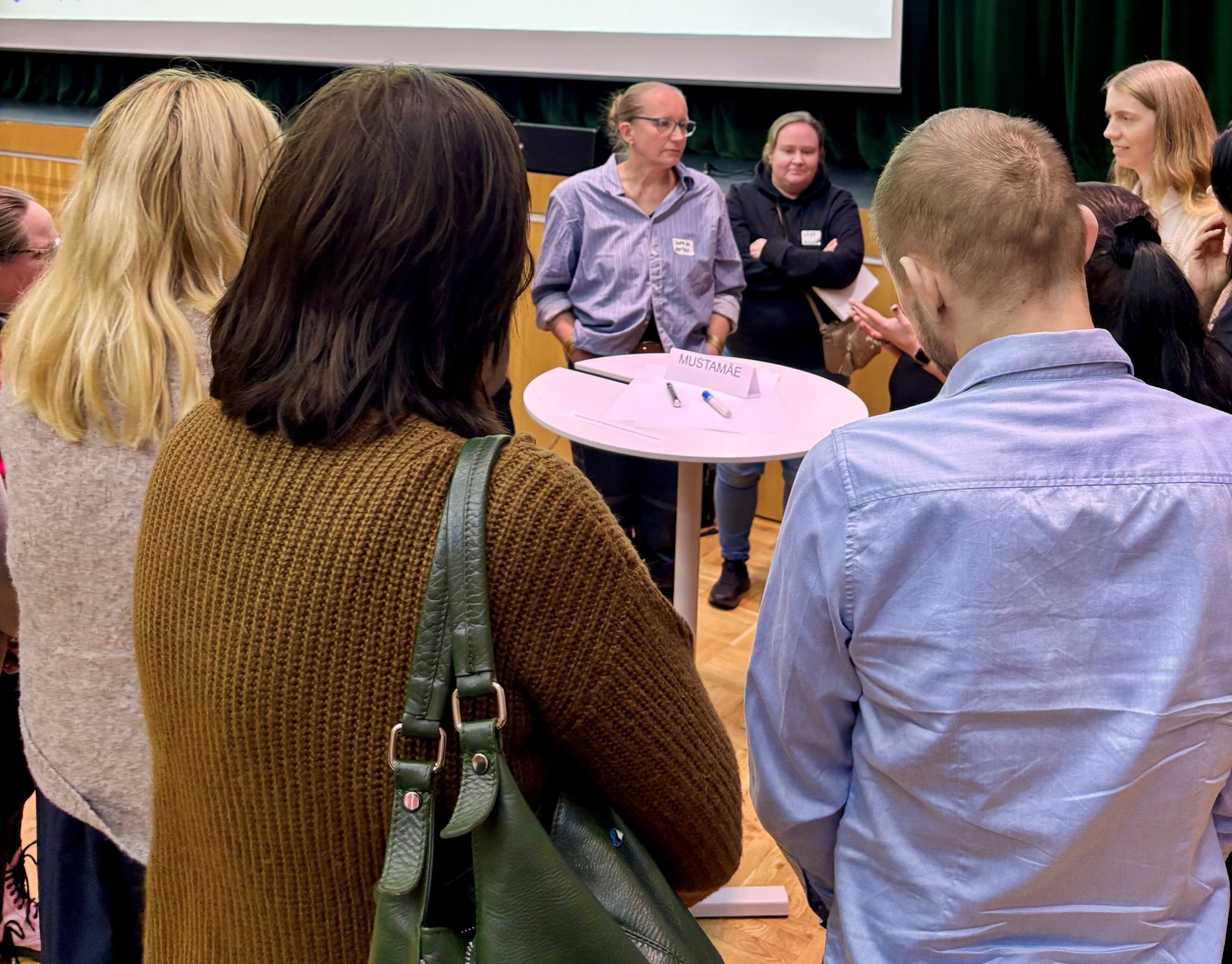
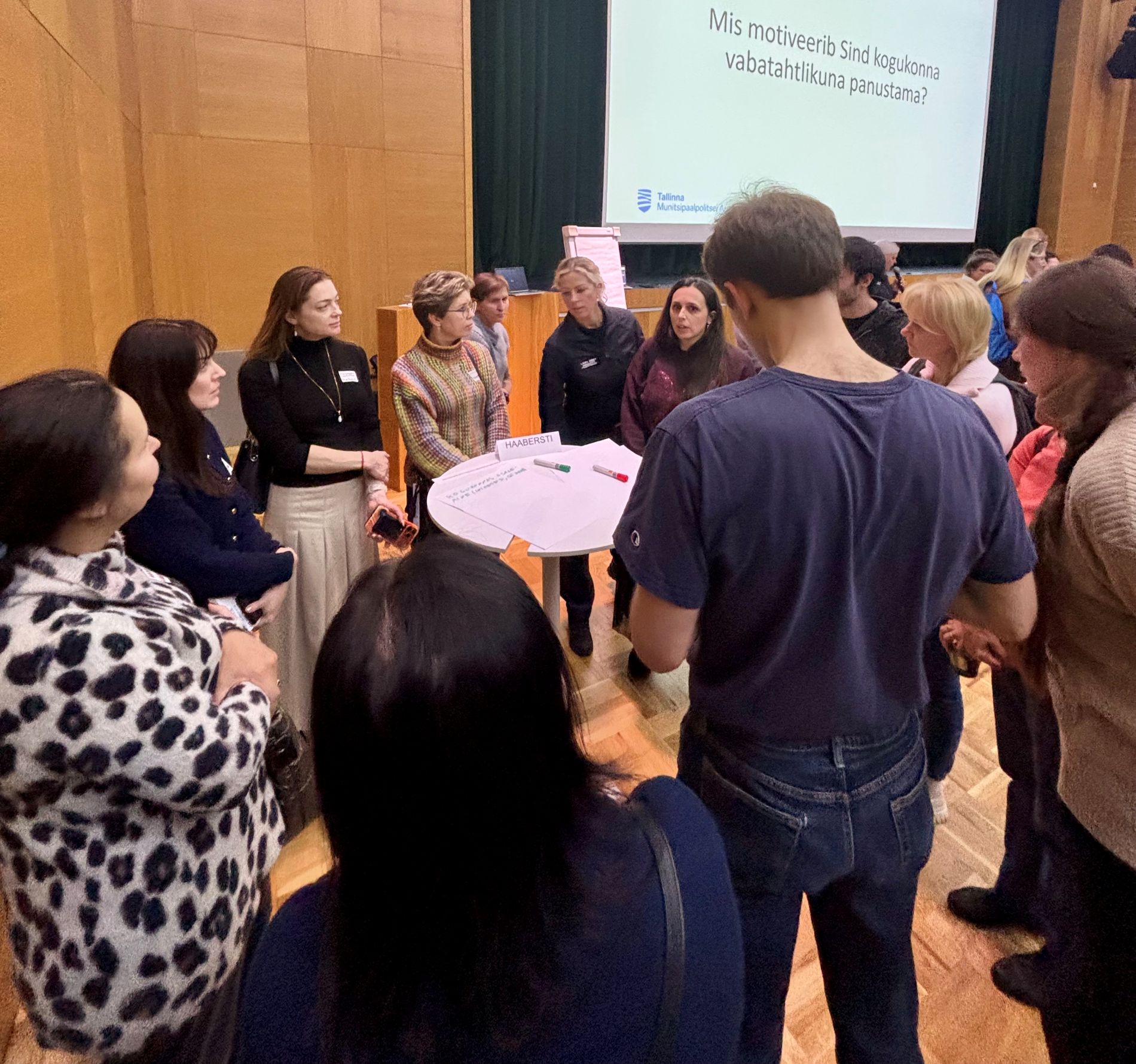
Photos and video: the briefing and members of six community crisis network groups in western Tallinn who completed the KRAKO training programme (Crisis Research Centre, 2026).
🔺The use, distribution, modification or publication of text and images is permitted only with the prior written consent of the NGO Crisis Research Centre. Any unauthorised use is strictly prohibited.
Jaga postitust: