INTERVIEW | The age of polycrises demands a new mindset from crisis managers
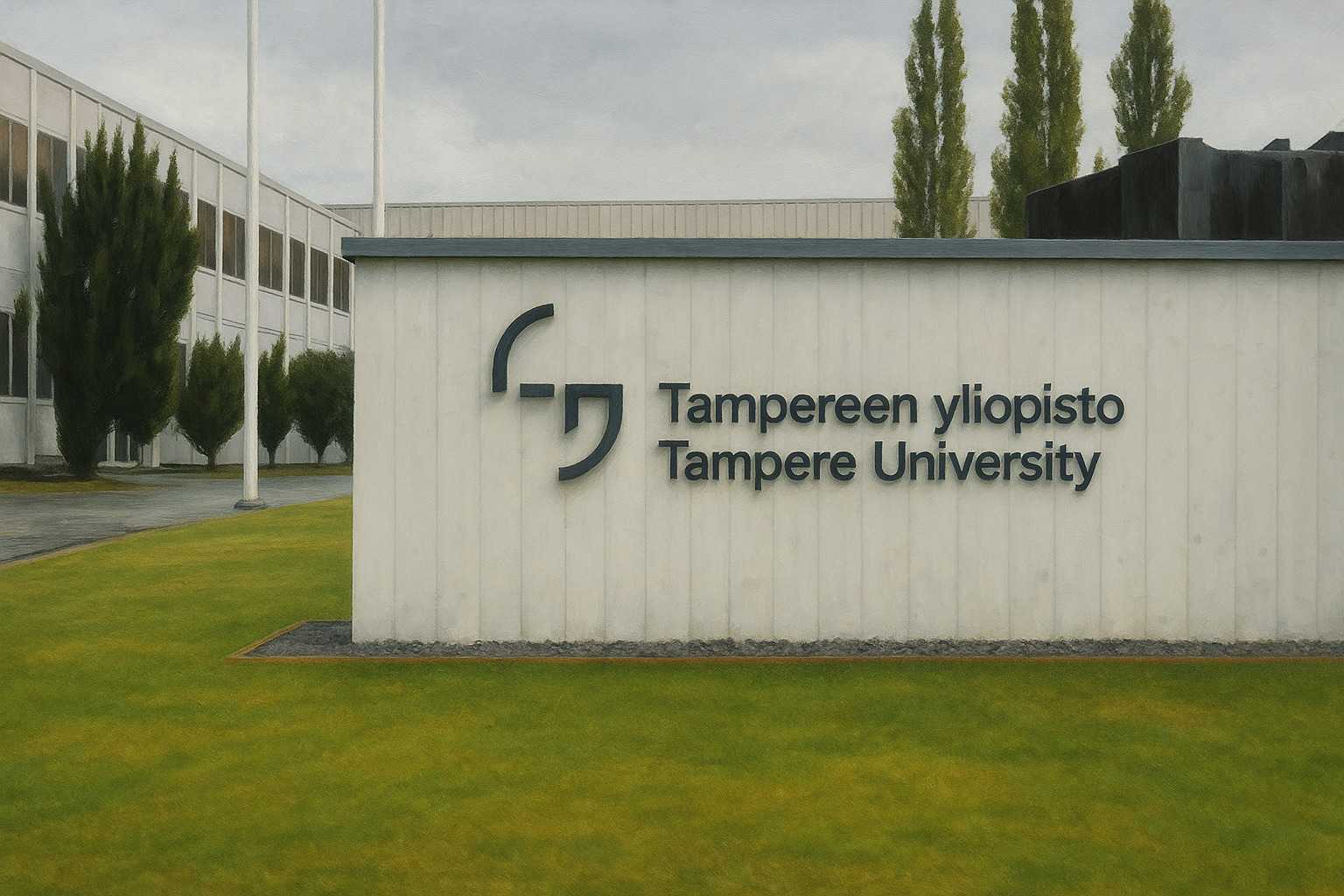
The Crisis Research Center spoke with Hendrik Priisaar, one of the first Estonians to be admitted to one of Finland’s newer programmes in strategic crisis management and security policy. Tampere University’s SAFER programme shapes a way of thinking suited to the era of polycrises — a world in which demographic pressures, economic shocks, and security threats do not unfold as separate crises but merge into a single, multi-layered systemic problem.
The new programme offers tools for understanding, preventing, and strategically managing these interconnections — skills for which demand is growing across the entire Northern European security space.
How did you end up studying in Tampere University’s SAFER programme?
I was still in the final year of my bachelor’s studies when it was time to look a bit into the future and also inward, to consider what I would like to pursue after graduating from the University of Tartu. I searched for master’s programmes both in Estonia and abroad, and Tampere University’s SAFER programme — Security Management and Politics — caught my attention. There were two tracks to choose from: Security Governance within administrative sciences and International Security within social sciences. I chose the latter as my preference and was selected in a highly competitive admissions process. I moved to Finland already in mid-August this year and so far I have been very satisfied with my studies.
Which topics or courses have so far had the greatest impact on your understanding of crisis management and resilience?
Our curriculum includes a course specifically focused on crisis management and resilience, but more broadly these themes run through all courses. In lectures and seminars we acquire new “tools” for understanding different crises, but applying them in the era of polycrises — where, for example, ageing populations, high inflation, and military threats must be addressed simultaneously — is far from simple. Every crisis requires definition, management, and stakeholder engagement. Most importantly, it matters how a situation is framed as a crisis, and even more so, who does the framing. President Donald Trump’s efforts to deploy National Guard forces primarily to Democrat-led cities to combat alleged high crime rates are, in my view, a clear example of failed framing. Defining crises in ways that are not grounded in facts only adds complexity to assessing crises and their management appropriately.
What has surprised you or made you rethink crisis management?
Crisis management is often thought to concern only how leaders respond during a crisis and how organizations implement decisions once a crisis is underway. In reality, a very large part of crisis management lies in prevention and in building resilience. An organization’s first priority should be to avoid the emergence of crises: to identify potential risks to its operations, develop plans to mitigate them, and practice based on those plans. However, crises cannot always be prevented, which is why crisis managers must also think about how to make institutional processes as resilient and at the same time flexible as possible in order to cope with different types of crises.
Looking to the future — in what role or field do you see yourself applying your crisis management education?
I believe that both professionally and personally it is beneficial to test oneself in a variety of roles and fields. Fortunately, as a student I have already been able to gain experience in all three sectors, and in each of them the nature of potential crises differs. I have been most drawn to experience in the public sector, where impact and responsibility are greatest. Seeing the existential threat posed by Estonia’s eastern neighbour, I also feel a strong personal motivation to help prevent the outbreak of a military crisis. For this reason, I hope to be working in foreign and defence policy–related roles in the future.
The questions were answered by Hendrik Priisaar, a student in Tampere University’s SAFER programme.
Jaga postitust: